6PPD's Salmon Toxicity Concerns Extend Beyond Tires Into Agricultural Runoff Debates
Introduction
Concerns surrounding 6PPD and its transformation product, 6PPD-quinone (6PPD-q), are increasingly expanding beyond the original focus on automobile tire runoff. The chemicals are drawing wider attention in discussions about watershed contamination, aquatic toxicity, stormwater management, and the movement of contaminants through mixed urban and agricultural landscapes.
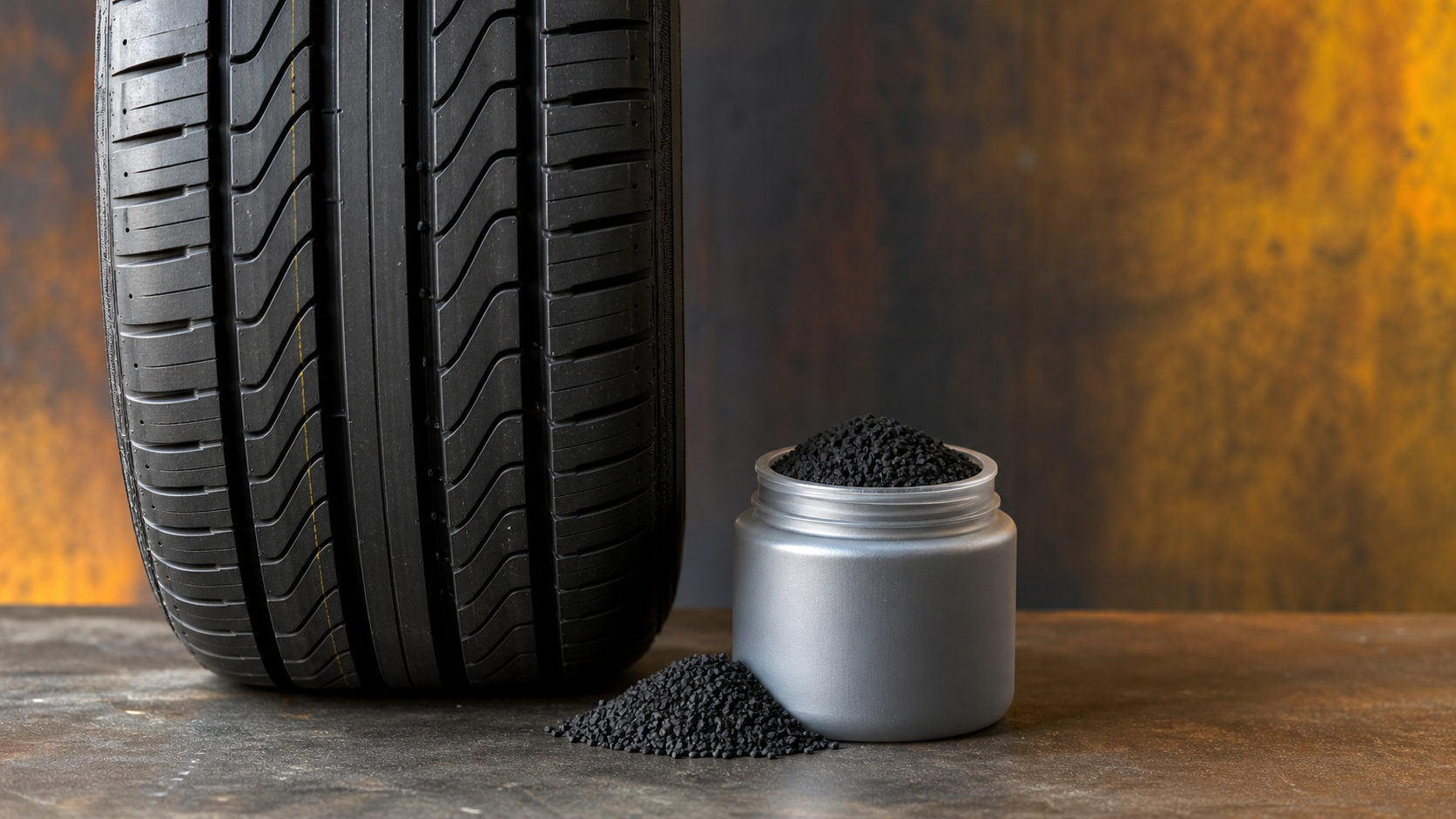
6PPD is an antiozonant used in tires to protect rubber from degradation. When it reacts with ozone, it forms 6PPD-quinone, a highly toxic transformation product that can enter waterways through stormwater carrying tire-wear particles. Research has established a particularly strong connection between 6PPD-q exposure and mortality in coho salmon.
The emerging agricultural discussion does not mean that agricultural chemicals are currently established as a major direct source of 6PPD. Rather, it reflects a broader question: how do contaminants originating from roads and developed areas move through watersheds that also contain agricultural land, and how should water-quality management address these overlapping sources?
Why 6PPD-Quinone Has Become a Major Aquatic Toxicity Concern
6PPD has been used in tires for more than six decades because it helps protect rubber from ozone and other reactive substances. Tire wear releases particles containing 6PPD into the environment, where the chemical can react with ozone and form 6PPD-quinone.
During rainfall, contaminated particles and stormwater can move from roads, parking areas and other hard surfaces into streams and rivers. EPA states that concentrations observed in stormwater can be lethal to coho salmon after only a few hours of exposure.
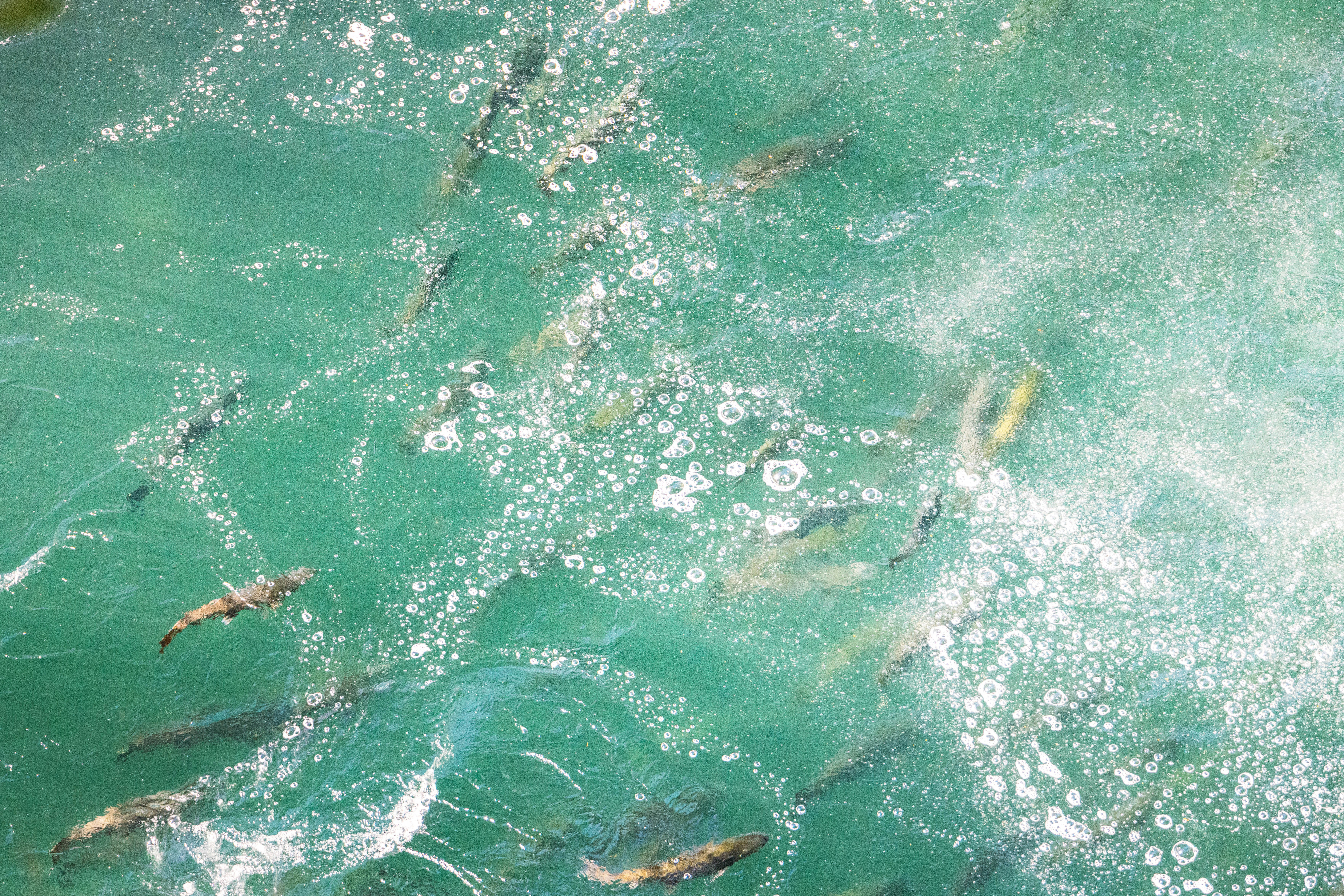
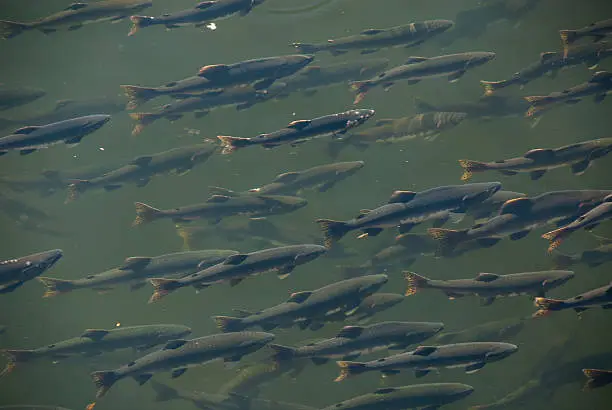
The significance of the issue is amplified by the sensitivity of salmonids. Research has identified coho salmon as particularly vulnerable, while subsequent studies have demonstrated sensitivity among other salmonid species.
This makes 6PPD-q different from many conventional contaminants that are primarily evaluated through longer-term exposure pathways. Short-lived storm events can create concentrated pulses of contamination capable of affecting aquatic organisms.
From Tire Runoff to Watershed-Level Contamination
The agricultural relevance of 6PPD-q is primarily connected to watershed transport rather than agricultural use.
Many watersheds contain a combination of highways, urban areas, residential developments, drainage infrastructure and agricultural fields. Water flowing across these different environments can eventually converge in the same streams and rivers.
This creates a more complicated contamination-management challenge. A watershed may receive 6PPD-q from road runoff while simultaneously receiving nutrients, pesticides, sediments or other agricultural contaminants from fields.
The US Geological Survey notes that tire and road-wear particles can be mobilized during urban storm events and transport 6PPD-q into surrounding aquatic ecosystems.
As a result, regulators and environmental managers increasingly need to think about combined watershed exposure rather than treating each pollution source in isolation.
Agricultural Runoff Adds Another Layer to the Debate
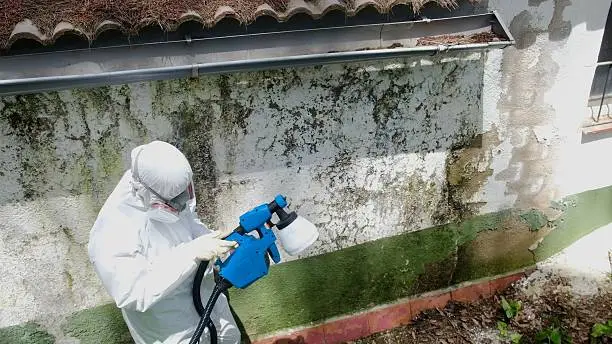
Agricultural runoff is already a major focus of water-quality management because rainfall can transport fertilizers, pesticides, sediments and other agricultural substances from fields into nearby water bodies.
6PPD-q introduces another dimension to this discussion. In watersheds where transportation corridors and agricultural production coexist, contaminants from roads may enter drainage systems that eventually pass through or alongside agricultural areas.
This distinction is important.
There is currently strong evidence linking 6PPD-q to tire-derived pollution and stormwater. However, that should not be interpreted as evidence that agricultural operations are themselves a primary source of 6PPD-q. Current evidence instead supports a broader source-to-watershed framework, in which multiple contamination pathways can overlap.
For agricultural stakeholders, the issue therefore becomes less about 6PPD being an agricultural chemical and more about how water-quality regulations could increasingly address interconnected sources across an entire watershed.
Monitoring Is Becoming More Important
One of the major developments in the 6PPD issue has been the expansion of analytical and monitoring capabilities.
EPA developed a draft analytical method specifically for detecting 6PPD-quinone in stormwater and surface water. The agency has also developed screening values intended to help protect sensitive salmon and other aquatic organisms.
Better monitoring can help distinguish between:
Road and tire-derived contamination
Agricultural chemical runoff
Municipal stormwater
Industrial discharges
Background environmental concentrations
Combined contamination during major rainfall events
This source differentiation will become increasingly important as environmental regulation moves toward watershed-scale management.
Regulatory Attention Could Broaden
The US Environmental Protection Agency has already taken regulatory steps concerning 6PPD and 6PPD-quinone under the Toxic Substances Control Act.
EPA granted a 2023 petition from the Yurok Tribe, Port Gamble S'Klallam Tribe and Puyallup Tribe requesting action on 6PPD in tires. In November 2024, EPA issued an Advance Notice of Proposed Rulemaking seeking information on risks, environmental fate, exposure pathways, additional uses, and potential alternatives.
The agency's work also includes research into green infrastructure and stormwater-management approaches capable of intercepting 6PPD-q before it reaches sensitive waterways.
This regulatory trajectory could eventually influence industries beyond tire manufacturing. Agricultural companies operating near sensitive watersheds may increasingly face expectations to participate in integrated runoff-management programs even when the contaminant of concern does not originate from agriculture.
Implications for Agricultural Chemical Management
The 6PPD discussion highlights an important change in environmental risk management: regulators increasingly have to evaluate chemicals according to where they travel, not simply where they are used.
For agricultural chemical manufacturers, distributors and buyers, this could increase the importance of:
1. Watershed-Level Risk Assessment
Product environmental assessments may increasingly consider how agricultural chemicals interact with other contaminants already present in the receiving environment.
2. Runoff Management
Agricultural operations may face greater emphasis on buffer zones, drainage management, retention systems and other measures designed to prevent contaminated water from reaching sensitive ecosystems.
3. Environmental Monitoring
More sophisticated monitoring could make it easier to identify contamination sources and determine whether water-quality problems originate from agricultural fields, transportation infrastructure or multiple sources.
4. Alternative Chemistry
The 6PPD debate also demonstrates how transformation products can become more important than the original chemical. EPA is specifically seeking information about alternatives to 6PPD and potential transformation products associated with those alternatives.
This provides a broader lesson for agricultural chemical development: replacing a substance is not necessarily sufficient if the replacement creates another environmentally persistent or toxic transformation product.
Opportunities for Chemical Marketplaces and Environmental Services
The issue also creates potential opportunities for chemical marketplaces and environmental technology providers.
Demand could increase for:
Water-quality testing services
6PPD-q analytical standards
Environmental monitoring equipment
Stormwater treatment systems
Activated carbon and other treatment media
Green infrastructure solutions
Runoff-control technologies
Environmental consulting
Chemical fate-and-transport modeling
Alternative tire additives
Agricultural runoff-management technologies
The broader market opportunity lies in connecting contaminant detection with source identification and remediation.
For procurement teams, supplier evaluation may increasingly need to include environmental performance, regulatory status, analytical capability and demonstrated field performance alongside conventional factors such as price, MOQ and lead time.
What the Agricultural Sector Should Watch
The immediate regulatory focus remains largely on tire-derived 6PPD and 6PPD-q rather than agricultural chemicals. Nevertheless, several developments are worth monitoring.
First, additional research could reveal more about how 6PPD-q moves through mixed watersheds. Second, regulatory agencies may expand monitoring requirements for sensitive aquatic ecosystems. Third, alternatives to 6PPD could create new environmental questions if replacement chemicals generate their own transformation products.
The scientific literature is also expanding rapidly. A recent review of tire-derived chemicals emphasizes that tire-wear particles remain the principal environmental source of 6PPD and 6PPD-q, reinforcing the importance of transportation-related emissions in understanding the contaminant's environmental footprint.
For agriculture, the main lesson is therefore not that 6PPD has suddenly become an agricultural chemical. Instead, it demonstrates why environmental risk increasingly needs to be assessed across connected supply chains, drainage networks and watersheds.
Outlook
6PPD-quinone is likely to remain an important emerging contaminant in aquatic environmental policy, particularly in regions where salmon and other sensitive aquatic species are at risk.
The agricultural connection will probably develop through watershed management rather than direct agricultural use. As roads, cities, industrial sites and farms share interconnected drainage systems, regulators may increasingly evaluate runoff as a combined environmental-management challenge.
For chemical manufacturers and agricultural procurement teams, this creates a broader strategic lesson: environmental compliance is moving beyond evaluating individual products toward understanding chemical fate, transformation products and cumulative watershed exposure.
Conclusion
6PPD's environmental story began with tire durability but has evolved into a much broader discussion about chemical transformation, stormwater and aquatic ecosystem protection. Its transformation product, 6PPD-quinone, has been strongly associated with acute toxicity in coho salmon, while EPA and other researchers continue to investigate exposure pathways, monitoring methods and mitigation technologies.
Agriculture is not currently established as a primary source of 6PPD-q. However, agricultural watersheds can intersect with road-derived contamination, making integrated runoff management increasingly important.
The longer-term implication for the agricultural chemicals industry is clear: future environmental risk management will increasingly depend not only on what chemical is applied, but also on where it moves, what it transforms into, and how it interacts with the wider watershed.