

Petrochemicals
Jul 9, 2026schedule5 Min Read
The "Compression of Years of Rationalisation Into Months" Thesis: Wood Mackenzie's Assessment
Wood Mackenzie's confirmed March 2026 analysis stated: "The current Hormuz blockade
Full Reportarrow_forward


prodchem
Jul 9, 2026
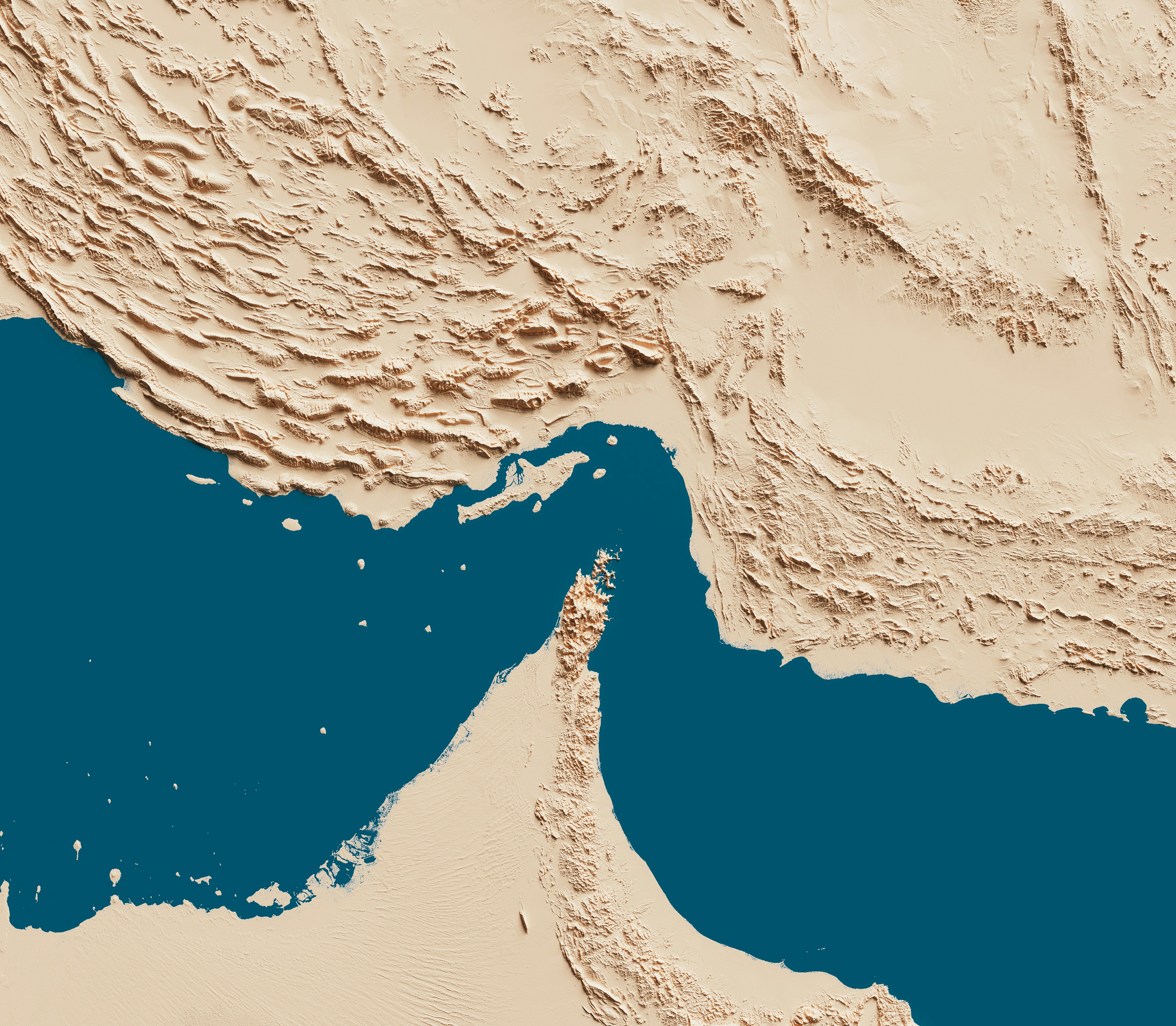
The Strait of Hormuz remains one of the world's most strategically important maritime corridors, serving as a vital gateway for the global petrochemical trade. According to recent ICIS market analysis, approximately 84% of the Middle East's polyethylene (PE) exports move through the Strait of Hormuz, highlighting the region's heavy dependence on this narrow shipping route.
For polyethylene buyers across Asia, Europe, and Africa, this concentration creates both opportunities and risks. While shipping conditions may improve as markets enter Q3, any disruption to the Strait can quickly influence export volumes, freight costs, delivery schedules, and regional pricing. Procurement teams should therefore assess not only resin fundamentals but also maritime logistics when planning purchases for the remainder of the year.
The Strait of Hormuz connects major Gulf petrochemical producers with international markets. It is the primary export route for large volumes of polyethylene produced in countries such as Saudi Arabia, the United Arab Emirates, Qatar, Kuwait, and Oman.
Its importance stems from:
High concentration of global petrochemical export capacity.
Direct access to Asian, European, and African markets.
Efficient shipping routes for containerized and bulk cargo.
Critical role in maintaining stable global polymer supply.
Because such a large share of Middle Eastern PE exports depends on this route, any operational disruption can have immediate effects on global supply chains.
The finding that 84% of Middle East polyethylene exports rely on the Strait of Hormuz underscores how concentrated regional logistics remain.
For procurement teams, this means:
Shipping reliability is closely tied to maritime conditions in the Gulf.
Freight availability can change rapidly during periods of geopolitical tension.
Transit times may increase if vessels reroute or face operational delays.
Supply availability in importing regions can tighten even when production remains stable.
The data reinforces the need to monitor logistics alongside production and demand indicators.
If shipping operations through the Strait remain stable, Q3 could see a gradual improvement in polyethylene supply conditions.
Potential recovery indicators include:
Producers may accelerate shipments to replenish inventories and meet delayed customer demand.
More consistent vessel schedules could ease transportation bottlenecks and reduce delivery uncertainty.
Importers may rebuild inventories after periods of cautious purchasing or logistical disruption.
As supply chains normalize, PE prices may become more closely aligned with underlying supply-demand fundamentals rather than freight-related uncertainty.
Despite expectations for improvement, procurement teams should continue monitoring several risk factors.
These include:
Geopolitical developments affecting Gulf shipping.
Changes in marine insurance premiums.
Port congestion and vessel scheduling delays.
Fluctuations in crude oil and feedstock prices.
Seasonal demand increases during the second half of the year.
Unexpected maintenance shutdowns at regional petrochemical facilities.
Even short-term shipping disruptions can quickly influence polymer availability across multiple importing markets.
To strengthen supply chain resilience during Q3, buyers should consider the following actions:
Avoid relying exclusively on a single production region by qualifying suppliers from multiple markets where feasible.
Track freight rates, vessel schedules, and transit times alongside resin pricing to gain a clearer picture of total landed costs.
Maintain appropriate safety stock for critical polyethylene grades while avoiding excessive inventory that increases carrying costs.
Maintain regular dialogue with suppliers regarding shipment schedules, production planning, and logistics updates.
Where possible, negotiate contract terms that provide flexibility in delivery timing and logistics arrangements.
Procurement Area | Potential Impact | Recommended Action |
|---|---|---|
Supply Availability | Moderate–High | Diversify sourcing and monitor exports |
Freight Costs | Moderate | Track shipping and insurance costs |
Lead Times | Moderate | Place critical orders early |
Pricing | Moderate | Monitor both resin and logistics trends |
Supply Chain Risk | High | Update contingency and sourcing plans |
The fact that 84% of Middle East polyethylene exports rely on the Strait of Hormuz highlights the strategic importance of maritime logistics in the global polymer market. While Q3 may bring improved shipping conditions and more stable supply, the recovery pace will depend not only on production levels but also on the uninterrupted movement of cargo through one of the world's busiest energy and petrochemical trade corridors.
For procurement professionals, the lesson is clear: successful polyethylene sourcing requires monitoring freight conditions, geopolitical developments, supplier performance, and inventory strategies alongside traditional pricing indicators. Companies that integrate logistics intelligence into procurement planning will be better positioned to manage risk and capitalize on opportunities as market conditions evolve throughout Q3.
Featured Product

Found this useful?
Continue Reading
Wood Mackenzie's confirmed March 2026 analysis stated: "The current Hormuz blockade

Procurement teams navigating FDA constraints must grasp how Type II DMF review timelines shape API supplier qualification and procurement planning. Understanding these timelines enables proactive sourcing, risk mitigation, and regulatory alignment.
LyondellBasell's sale to Aequita/Velogy includes a polypropylene plant in England. Combined with the UK