





Pharma & Healthcare Ingredients
Jul 21, 2026schedule4 Min Read
Ten Days of Conflict: Why Pharma Buyers Should Stop Waiting It Out
As hostilities enter a tenth day with Tehran only tentatively open to talks
Full Reportarrow_forward

prodchem
Jul 21, 2026
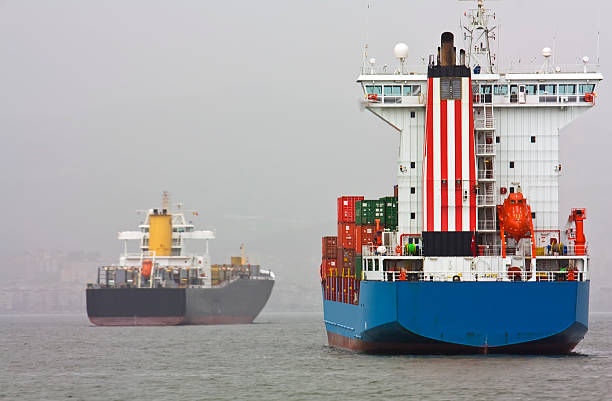
The Strait of Hormuz, a critical chokepoint for global energy transport, saw 8.5 million barrels of crude and refined products move through on Sunday. Despite geopolitical tensions and seasonal weather patterns, the corridor maintained a robust throughput, underscoring its strategic importance for both producers and consumers.
8.5 million barrels processed in 24 hours
Average tanker speed: 13 knots
Port throughput: 12 tanker movements
Refining capacity: 3.2 million barrels per day in the Gulf conosco
Maintaining such a high volume requires a well‑coordinated maritime network. The region’s shipping capacity is supported by a mix of large crude carriers, product tankers, and specialized chemical vessels. The recent surge in tanker movements reflects the industry’s effort to balance load factors and schedule flexibility.
VLCC (Very Large Crude Carrier) – 300,000 DWT
LR4 (Long Range) – 200,000 DWT
Product tanker – 50,000 DWT
Chemical tanker – 30,000 DWT
These vessels often travel in convoys, coordinated by maritime traffic control centers. The convoys help mitigate navigational risks and ensure a steady flow, even when external pressures arise.
Oil logistics involve a complex chain of custody from extraction sites to end consumers. The 8.5 million barrels that crossed Hormuz were a mix of crude destined for refineries and refined products shipping to downstream markets.
Crude oil is transported to regional refineries.
Refiners convert crude into gasoline, diesel, jet fuel, and petrochemicals.
Finished products are shipped via tankers to distribution hubs.
End users include automotive, aviation, and industrial sectors.
Each step requires precise scheduling to avoid bottlenecks. The Sunday traffic demonstrates how logistics operators align tanker departures with refinery schedules to minimize storage costs and maximize throughput.
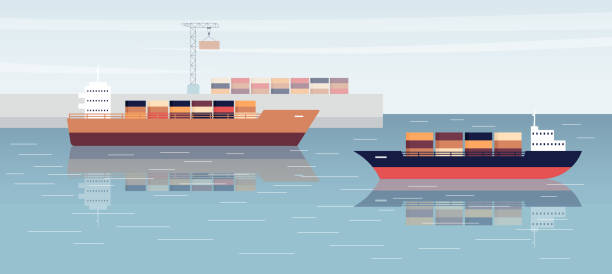
Besides crude, the Hormuz corridor is vital for shipping chemicals that feed the global manufacturing sector. Chemical tankers often carry hazardous or specialty materials, necessitating stringent safety protocols.
Redundant Shipping Routes: Diversifying paths reduces dependence on a single chokepoint.
Real‑time Tracking: Satellite and AIS data enable rapid response to disruptions.
Flexible Charter Agreements: Allows shippers to adjust volume based on market demand.
Insurance Hedging: Protects against geopolitical and environmental risks.
These measures collectively ensure that the chemical supply chain remains robust even when a single segment faces challenges.
The data from Sunday’s Hormuz traffic offers broader insights into global maritime trade. High cargo volumes at a critical chokepoint suggest that supply chains are adapting to maintain continuity, leveraging technology, and diversifying routes.
Increased use of dynamic routing software.
Higher adoption of green shipping practices.
Growing collaboration between shipping companies and port authorities.
Enhanced focus on cybersecurity for navigation systems.
These trends point toward a more resilient, efficient, and transparent shipping ecosystem.
While the 8.5 million barrels figure highlights the current capacity, พรีเมียร์ลีก future demands will likely push the corridor’s limits. Investment in infrastructure upgrades—such as expanded channel widths, advanced navigational aids, and emergency response capabilities—will be essential to sustain growth.
Ultimately, the Sunday traffic through Hormuz underscores the indispensable role of maritime logistics in sustaining global energy flows and industrial supply chains. As market dynamics evolve, stakeholders must continue to innovate and collaborate to keep the world’s arteries flowing smoothly.

Featured Product
Found this useful?
Continue Reading
As hostilities enter a tenth day with Tehran only tentatively open to talks

The conflict's expansion to bridges, utilities and ports broadens infrastructure risk for ingredient logistics.
Energy Aspects' warning of oil above $100 carries direct implications