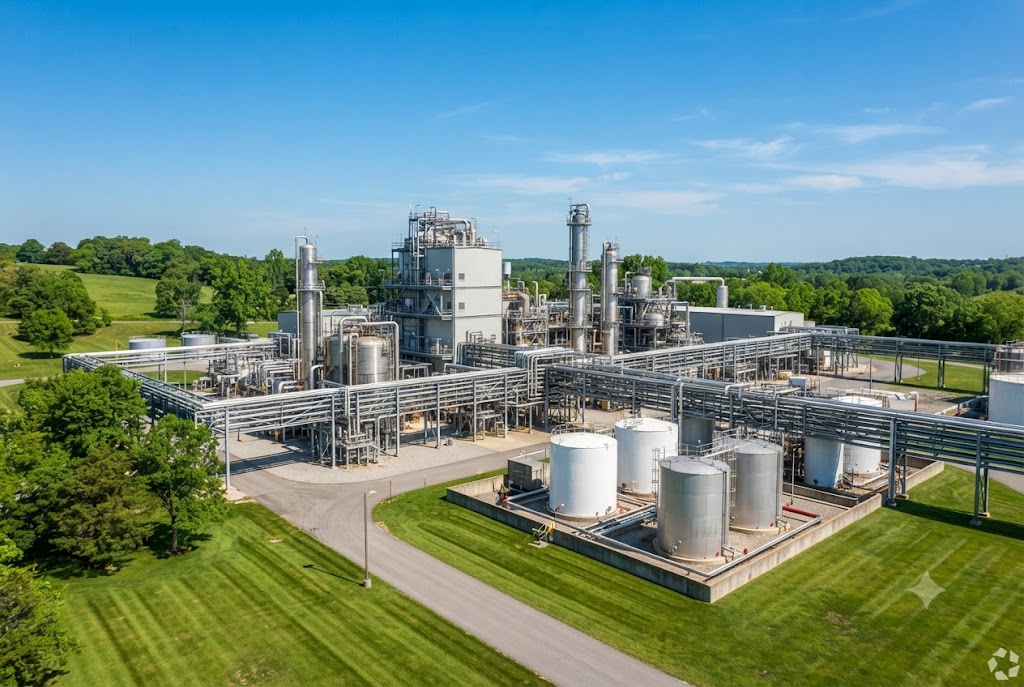
The European petrochemical market is navigating a period of intense volatility as logistical bottlenecks collide with shifting demand dynamics. Producers and consumers recently agreed to a €50 per tonne decrease for August C4 olefin contracts. This settlement occurred on July 23 after four days of rigorous negotiation. The price adjustment comes amid severe production issues in Germany driven by record low Rhine water levels. Procurement managers and chemical traders must interpret this counterintuitive market signal carefully. Typically supply disruptions drive prices higher but in this case the discount reflects broader demand weakness and inventory adjustments. Buyers relying on butadiene and other C4 derivatives need to understand the mechanics behind this pricing shift. Ignoring these nuanced market movements exposes organizations to missed opportunities for cost optimization. Strategic agility is now essential for navigating this complex supply chain environment.
The Mechanics of the August Contract Settlement
Monthly contract negotiations in the European chemical sector serve as a critical barometer for market health. The agreement to lower C4 olefin prices by €50 per tonne indicates that buyers successfully leveraged their position despite supply concerns. Producers likely accepted this discount to maintain volume throughput during a period of logistical uncertainty.
Low Rhine water levels restrict barge traffic and impair cooling systems at major German facilities. These operational constraints typically tighten supply. However weak downstream demand for synthetic rubber and plastics allowed consumers to push for lower prices. The four-day negotiation period highlights the tension between these opposing market forces.
This settlement sets a new baseline for August deliveries. It signals that producers are prioritizing market share over margin protection in the short term. Buyers should view this discount as a temporary reprieve rather than a long-term trend. The underlying structural issues in the supply chain remain unresolved.
Impact of Rhine Disruptions on C4 Olefin Supply
The Rhine River serves as a vital artery for transporting bulk chemicals across Europe. Record low water levels prevent barges from operating at full capacity. This restriction drastically increases per-ton shipping costs and strains regional logistical networks. Major production hubs in Germany face dual threats from limited feedstock delivery and impaired cooling capabilities.
Despite these physical constraints the market settled at a discount. This suggests that inventory buffers were sufficient to meet immediate demand. Alternatively producers may have secured alternative transport modes such as rail or truck to keep volumes moving. The ability to maintain supply despite hydrological challenges demonstrates operational resilience.
However this resilience comes at a high cost. Elevated logistics expenses erode producer margins significantly. The €50 discount may not fully reflect the true cost of delivering product under these difficult conditions. Buyers should anticipate potential surcharges or stricter allocation limits in future months if water levels do not improve.
Strategic Sourcing Amidst Market Volatility
Procurement professionals must adopt highly disciplined sourcing strategies to navigate this volatile environment. Relying on spot market purchases exposes organizations to sudden price swings. Securing flexible long-term contracts provides essential stability. Agreements should include clear volume adjustment clauses and alternative delivery terms.
Suppliers value partners who can adapt quickly to shifting logistical realities. Engaging regional distributor networks provides a vital operational buffer during shortages. Distributors often hold safety stock that independent manufacturers cannot access directly. However buyers must weigh this reliability against the additional margin layers. Total landed cost calculations must include these intermediary fees to remain accurate.
Diversifying the supplier base remains a critical risk management tactic. Sourcing from multiple geographic regions prevents total supply chain paralysis. Buyers should actively qualify alternative vendors in North America or Asia. This geographic spread ensures continuity if European production faces further disruptions.
Downstream Implications for Synthetic Rubber and Plastics
C4 olefins such as butadiene are essential building blocks for synthetic rubber and engineering plastics. A stable supply of these intermediates is crucial for automotive and packaging manufacturers. The August price discount offers temporary relief to downstream producers facing their own margin pressures.
However the underlying supply risks remain potent. Any further deterioration in Rhine water levels could trigger force majeure declarations. Buyers in the rubber sector must maintain robust inventory levels to withstand potential shocks. Just-in-time manufacturing models are particularly vulnerable to these logistical disruptions.
Procurement teams should collaborate closely with production planners to adjust schedules. Flexibility in manufacturing allows companies to switch to alternative materials if necessary. Testing substitute resins and solvents during stable periods prepares organizations for future shortages. Technical validation of these substitutes takes time and requires rigorous quality assurance.
Petrochemical prices fluctuate wildly during severe logistical crises. Sophisticated procurement teams utilize financial instruments to manage this commodity risk effectively. Futures contracts and options help lock in feedstock costs well in advance. Collaborating with corporate treasury departments is essential for executing these complex strategies.
Financial hedging protects profit margins from sudden input cost spikes. Clear governance policies ensure these activities support broader business objectives. Suppliers also offer indexed pricing formulas tied to recognized chemical benchmarks. Understanding these formulas helps buyers anticipate cost fluctuations accurately. Regular review of index components ensures that pricing remains fair and transparent.
Regulatory and Compliance Considerations During Disruptions
Sourcing from new regions introduces complex regulatory hurdles for procurement teams. Each alternative material must comply with local and international chemical regulations. In Europe REACH registration status remains a crucial factor for market access. Ensure that new suppliers provide comprehensive documentation promptly upon request.
Safety data sheets and certificates of analysis are mandatory for smooth customs clearance. Verify that these documents meet your internal compliance standards strictly. Update your internal databases with new supplier information immediately. Train procurement and quality assurance staff on these regional changes. Clear communication prevents costly errors in ordering and inventory management.
Long-Term Implications for European Chemical Infrastructure
The current crisis will permanently alter global chemical trade flows. Buyers should expect a lasting shift toward nearshoring and diversified supply chains. Companies will prioritize supply security over marginal cost savings moving forward. The European petrochemical market will likely see sustained price elevation once logistical normalcy returns.
Producers will pass the costs of resilient logistics onto end users. Procurement managers must adjust their long-term budget forecasts accordingly. Investment in alternative feedstock routes may accelerate significantly. Companies will seek to decouple from river-dependent logistics entirely. This transition offers a secondary benefit of reduced environmental vulnerability. Early adopters of diversified supply networks will gain a distinct competitive advantage.
What Buyers Should Do Now
Procurement leaders must act decisively to fortify their own supply chains. Conduct a comprehensive audit of your current C4 olefin feedstock dependencies. Identify critical materials sourced from Rhine-dependent German facilities immediately. Initiate immediate discussions with alternative global suppliers to establish backup channels.
Secure flexible long-term contracts that include clear volume adjustment clauses. Building organizational agility is the only reliable defense against market volatility. Invest in advanced market intelligence tools to monitor hydrological and weather trends. Early warning signals allow procurement teams to adjust purchasing tactics proactively. Do not wait for the next disruption to implement these protective measures.
Ready to source Acrylonitrile Butadiene Styrene (ABS) from verified global suppliers? Explore competitive offers on our platform today.