Related-Party Trade Now Nearly 43% of U.S. Goods Flows — What It Means for Chemical Supply Chains
Introduction
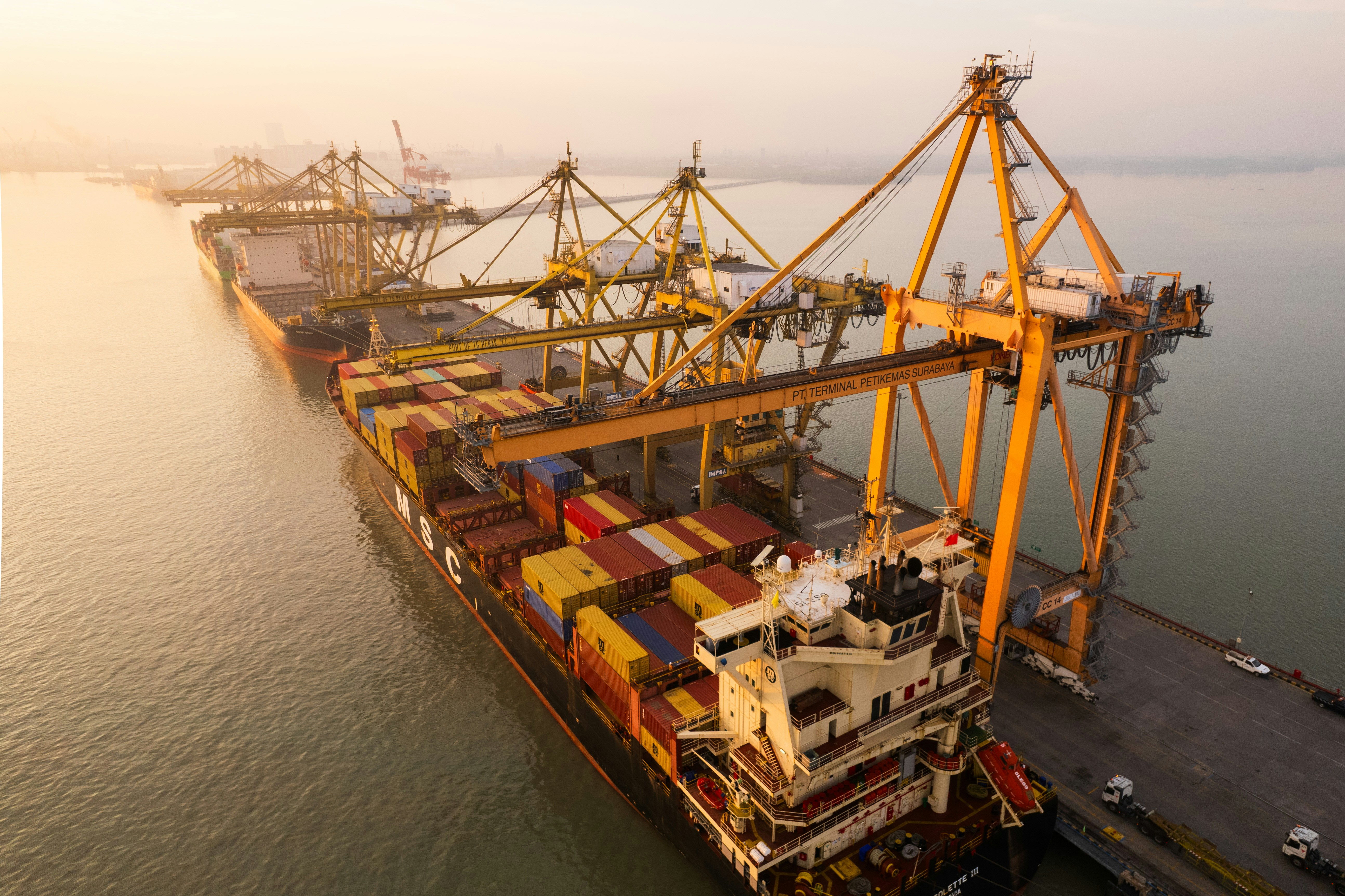
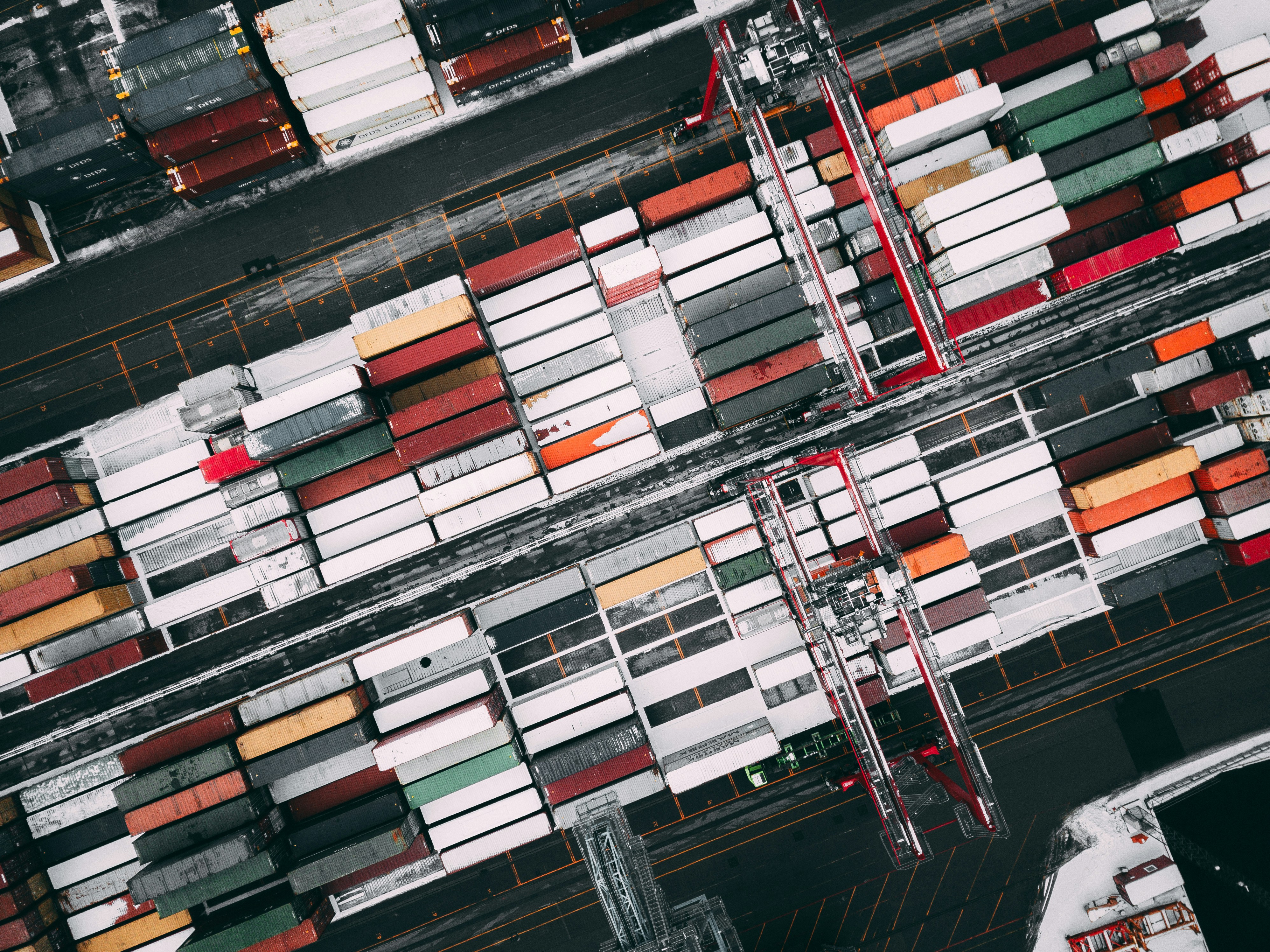
Related-party trade continues to play a significant role in global commerce, with recent U.S. trade data showing that nearly 43% of U.S. goods imports and exports occur between related business entities, such as parent companies, subsidiaries, and affiliated organizations. This trend highlights the growing importance of integrated global operations and multinational supply networks.
For the chemical industry, where raw materials, intermediates, and finished products frequently move between manufacturing sites across multiple countries, related-party trade has become a critical component of supply chain strategy. While these interconnected operations improve efficiency and production planning, they also increase the importance of transfer pricing compliance, regulatory oversight, and supply chain resilience.
What Is Related-Party Trade?
Related-party trade refers to transactions between companies that share common ownership or control. Examples include:
Parent companies supplying overseas subsidiaries.
Affiliates exchanging raw materials and intermediates.
Global manufacturers transferring products between production facilities.
Multinational corporations distributing finished chemicals through regional business units.
These internal trade flows are common across industries that operate complex international manufacturing networks.
Why Nearly 43% Matters
The fact that almost half of U.S. goods trade occurs between related companies demonstrates how global supply chains have evolved beyond traditional buyer-seller relationships.
Key implications include:
Greater Supply Chain Integration
Companies increasingly coordinate production across multiple countries to optimize manufacturing costs, logistics, and customer service.
Improved Operational Efficiency
Internal sourcing often enables faster production planning, standardized quality control, and greater visibility across the supply chain.
Increased Regulatory Oversight
Because pricing between affiliated companies affects customs duties and corporate taxation, regulators closely examine related-party transactions.
Enhanced Risk Exposure
Disruptions affecting one facility or region can quickly impact manufacturing operations throughout an integrated global network.
What It Means for Chemical Supply Chains
Chemical manufacturers are among the industries most reliant on related-party trade due to globally distributed production facilities and specialized manufacturing assets.
Cross-Border Feedstock Movement
Basic petrochemicals, solvents, polymers, and specialty intermediates frequently move between affiliated manufacturing sites before becoming finished products.
Optimized Manufacturing Networks
Companies allocate production based on feedstock availability, plant capacity, energy costs, and regional demand.
Consistent Product Quality
Internal supply networks help maintain standardized manufacturing specifications across global production facilities.
Faster Global Distribution
Related-party logistics enable companies to serve international customers more efficiently through regional distribution centers.
Challenges for Procurement and Compliance
Although related-party trade offers operational advantages, it also creates additional compliance responsibilities.
Organizations should pay close attention to:
Transfer Pricing
Pricing between affiliated companies must comply with tax regulations and reflect arm's-length market principles.
Customs Valuation
Import declarations must accurately reflect transaction values to satisfy customs authorities.
Documentation Requirements
Businesses should maintain comprehensive records supporting pricing methodologies, product classifications, and supply chain transactions.
Geopolitical Risk
Trade restrictions, tariffs, sanctions, and changing regulations may affect cross-border shipments between affiliated entities.
Strategies for Building Resilient Supply Chains
Procurement and supply chain teams can strengthen resilience through several proactive measures.
Recommended actions include:
Diversify sourcing beyond a single production location.
Monitor geopolitical developments affecting global operations.
Regularly review transfer pricing and customs compliance procedures.
Strengthen supplier and affiliate communication.
Improve supply chain visibility using digital monitoring tools.
Develop contingency plans for critical chemical feedstocks.
These practices help organizations reduce operational risks while maintaining efficient global manufacturing networks.
The Role of Digital Supply Chain Intelligence
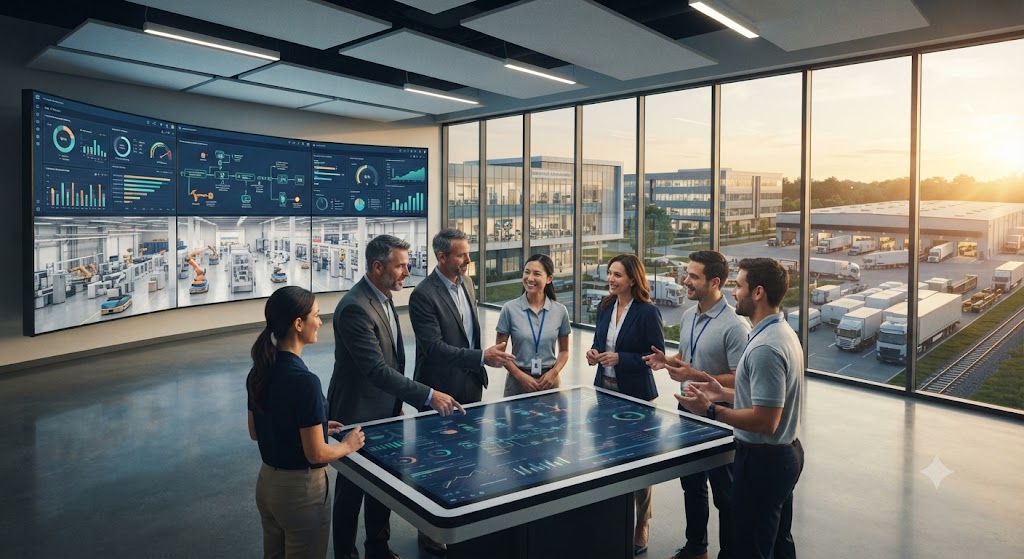
As multinational operations become increasingly interconnected, companies are investing in digital technologies to improve visibility across related-party transactions.
Advanced analytics can help businesses:
Monitor inventory across global facilities.
Forecast disruptions before they affect production.
Track freight movements in real time.
Improve procurement planning.
Strengthen regulatory compliance.
Optimize global inventory allocation.
Digital supply chain intelligence enables faster decision-making while supporting operational efficiency.
Looking Ahead
Related-party trade is expected to remain a defining feature of the global chemical industry. As companies continue expanding international manufacturing networks, regulators are likely to increase scrutiny of transfer pricing, customs compliance, and cross-border reporting.
Organizations that combine integrated supply chain planning with strong compliance programs and diversified sourcing strategies will be better prepared to navigate evolving trade regulations and market uncertainty.
Conclusion
With nearly 43% of U.S. goods trade occurring between related companies, multinational supply chains have become increasingly interconnected. For the chemical industry, this trend supports greater manufacturing efficiency and global coordination but also brings heightened regulatory expectations and operational risks.
Companies that strengthen transfer pricing compliance, improve supply chain transparency, and invest in digital procurement and logistics capabilities will be better positioned to maintain resilient, compliant, and competitive chemical supply chains in an increasingly complex global trade environment.