The AkzoNobel takeover battle has become one of the most closely watched corporate developments in the global paints and coatings industry. After receiving a €13 billion counter-offer from a consortium of Nippon Paints and Sherwin-Williams, AkzoNobel described the proposal as undervaluing the company, indicating that negotiations may continue rather than conclude quickly.
For procurement professionals, this story reaches far beyond corporate finance. AkzoNobel sits at the center of a vast supply network that depends on titanium dioxide, acrylic dispersions, solvents and specialty additives. Any ownership change at this scale could influence sourcing decisions, supplier qualification processes and commercial negotiations throughout the coatings value chain.
Why the €13 Billion Offer Matters
A takeover proposal involving one of the world's largest coatings manufacturers carries strategic implications for nearly every participant in the industry.
AkzoNobel operates globally through well-known brands including Dulux, Sikkens and International. Its purchasing power spans thousands of suppliers across raw materials, packaging, logistics and manufacturing services.
Calling the €13 billion proposal "undervaluing" the company signals that management believes the offer does not fully reflect AkzoNobel's market position, brand portfolio, technology capabilities and future earnings potential.
This also suggests that negotiations may continue, extending uncertainty for suppliers and procurement teams that work with or compete against the company.
How a Combined Coatings Giant Could Reshape the Industry
If Nippon Paints and Sherwin-Williams ultimately acquired AkzoNobel, the resulting organization would become the dominant force in the global coatings sector.
Greater scale typically creates stronger purchasing leverage across multiple categories, including:
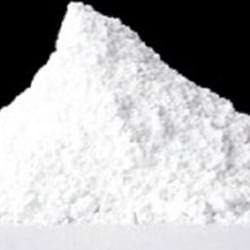
Titanium dioxide, where volume purchasing can improve negotiating power with major producers and distributors.
Acrylic emulsions and specialty resins that serve decorative, industrial and protective coating applications.
Solvents, pigments and formulation additives that appear across numerous coating systems.
A larger organization could also standardize specifications across multiple manufacturing sites, reducing the number of approved suppliers while increasing order volumes for selected partners.
Procurement Risks During an Active Takeover Process
Corporate acquisitions often create temporary uncertainty before any operational changes become visible.
Senior management typically devotes significant attention to transaction planning, regulatory approvals and shareholder communications. Procurement teams may experience slower decision-making in areas that are not immediately critical to business continuity.
Potential short-term effects include:
Longer approval cycles for supplier onboarding and qualification.
Delayed contract renewals while commercial priorities receive internal review.
Reduced visibility into long-term sourcing strategies.
Greater caution around capital investment and product portfolio decisions.
These developments do not necessarily interrupt supply, but they can influence purchasing timelines and commercial discussions.
Why Raw Material Suppliers Should Monitor Specification Changes
Many coating manufacturers rely on carefully approved formulations that specify exact grades of pigments, binders and additives.
If ownership changes eventually lead to manufacturing consolidation, companies may review supplier lists to identify opportunities for harmonization across production facilities.
This process can affect suppliers of:
Titanium dioxide for opacity and brightness.
Acrylic dispersions used in decorative and industrial coatings.
Organic and inorganic pigments.
Performance additives that improve durability, viscosity and weather resistance.
Industrial solvents required for specific coating technologies.
Suppliers that already meet multiple international specifications may gain an advantage if procurement teams seek to simplify sourcing across a larger manufacturing network.
Supplier Relationships Could Become More Competitive
Large mergers frequently trigger supplier evaluations rather than immediate purchasing changes.
Procurement leaders often compare pricing, quality performance, geographic coverage and technical support before deciding whether existing suppliers should remain approved.
Companies supplying coating ingredients should prepare for:
More comprehensive supplier performance reviews.
Requests for larger regional or global supply agreements.
Greater emphasis on supply security across multiple production locations.
Increased expectations regarding sustainability reporting and product consistency.
Businesses with diversified production capacity and dependable logistics networks generally compete more effectively during these transitions.
Commercial Terms May Evolve Across the Supply Chain
Scale gives buyers additional negotiating strength, particularly when purchasing standardized raw materials across several regions.
A combined coatings organization could seek:
Better pricing through consolidated purchasing volumes.
Longer contract durations with strategic suppliers.
Improved inventory management agreements.
Broader regional supply partnerships instead of country-specific contracts.
Not every supplier will experience the same outcome. Producers offering differentiated technologies or proprietary products often retain stronger negotiating positions because fewer alternatives exist.
Market Uncertainty Creates Both Risks and Opportunities
Contested acquisitions rarely produce immediate operational changes, yet uncertainty alone can influence market behavior.
Some suppliers may postpone expansion decisions until ownership questions become clearer. Others may actively pursue new business opportunities if competitors become distracted by integration planning.
Procurement teams should avoid making assumptions about future sourcing strategies until official announcements define the direction of the transaction.
Instead, organizations should continue monitoring supplier performance while maintaining flexibility in purchasing plans.
What Procurement Teams Should Do Now
Procurement professionals do not need to react immediately, but they should remain prepared for potential changes if negotiations progress.
Practical actions include:
Review exposure to suppliers whose sales depend heavily on AkzoNobel manufacturing sites.
Confirm alternative qualified sources for critical coating ingredients where practical.
Monitor contract renewal dates that could overlap with major corporate announcements.
Maintain communication with strategic suppliers regarding inventory, lead times and production capacity.
Watch for updates involving manufacturing footprints, procurement integration or specification reviews.
Organizations that maintain diverse sourcing strategies generally adapt more effectively when major industry consolidation occurs.
The Bottom Line for Coatings Buyers
AkzoNobel's position that the €13 billion proposal undervalues the company indicates that the takeover process remains active rather than settled. Until negotiations reach a final outcome, procurement professionals should expect a period of commercial uncertainty rather than immediate operational disruption.
For buyers of coating raw materials, the most important consideration is preparation. Strong supplier relationships, diversified sourcing options and close attention to specification requirements will help businesses respond effectively if ownership changes eventually reshape the global coatings market.
Ready to source Titanium Dioxide from verified global suppliers? Explore competitive offers on our platform today.