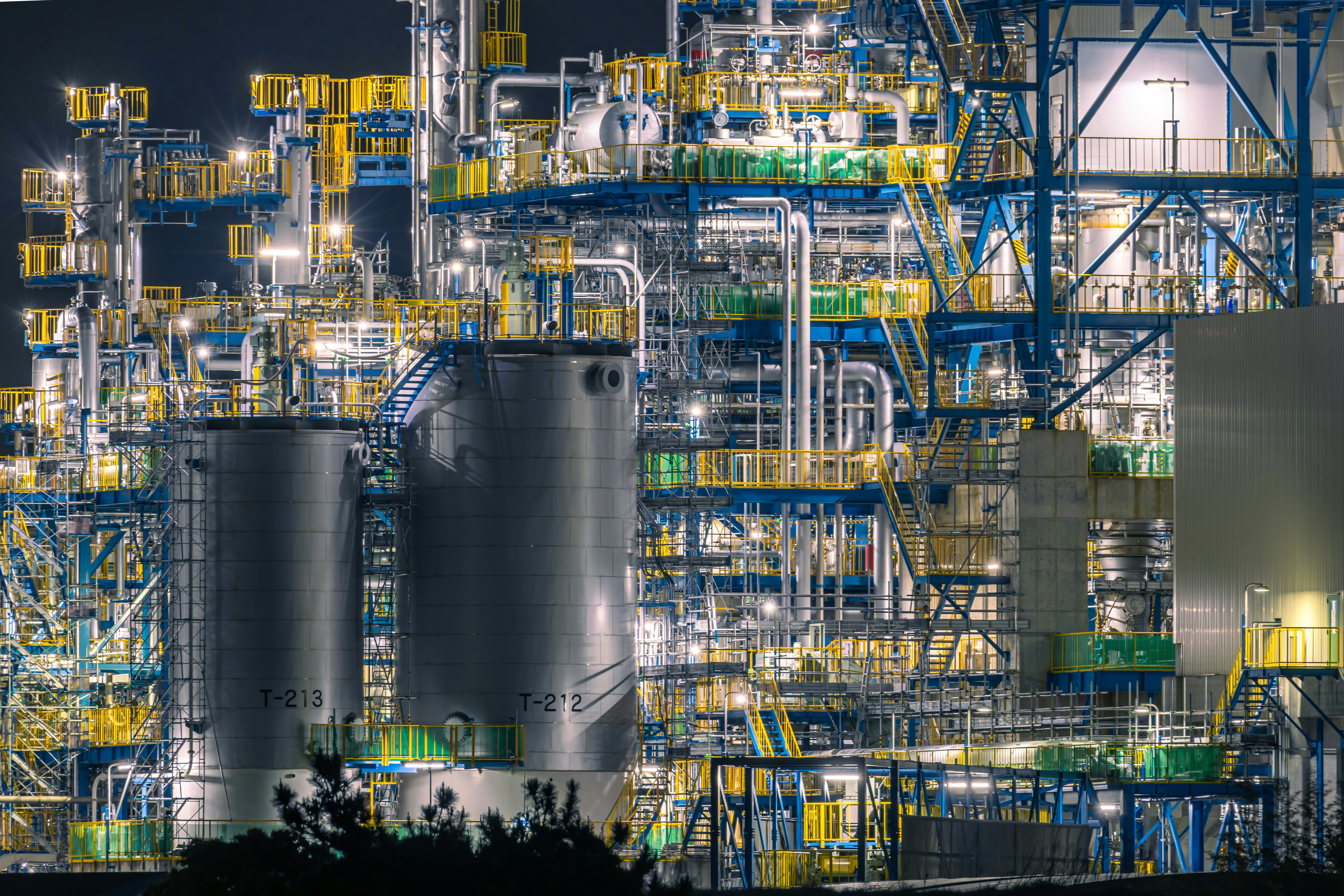
Rotork's board recommendation of ABB's cash offer at 503 pence per share, representing an approximate 60% premium to the three-month average share price, marks a significant moment for the UK industrial technology sector. The transaction reflects ABB's ambition to expand its automation capabilities while strengthening its position in industries that depend on reliable process control systems.
For chemical traders, procurement managers and industrial buyers, the acquisition highlights the growing importance of automation equipment in modern manufacturing. Reliable valve control, process monitoring and operational efficiency have become essential factors as chemical producers improve productivity and manage increasingly complex supply chains.
Why the ABB Rotork Acquisition Matters for Industry
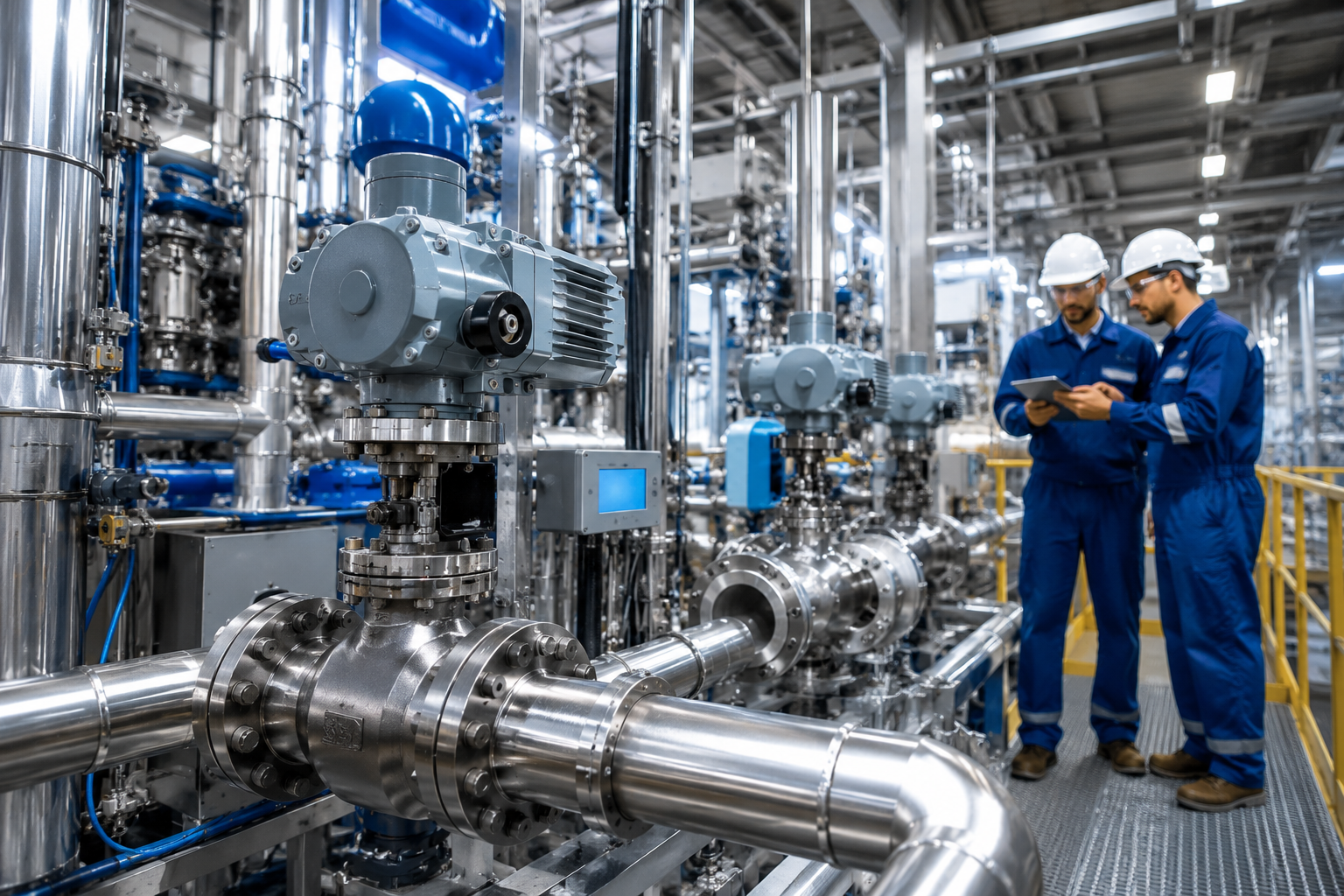
The chemical industry relies on advanced automation systems to maintain consistent production quality and operational safety. Equipment that controls the movement of gases, liquids and raw materials plays a critical role throughout manufacturing facilities.
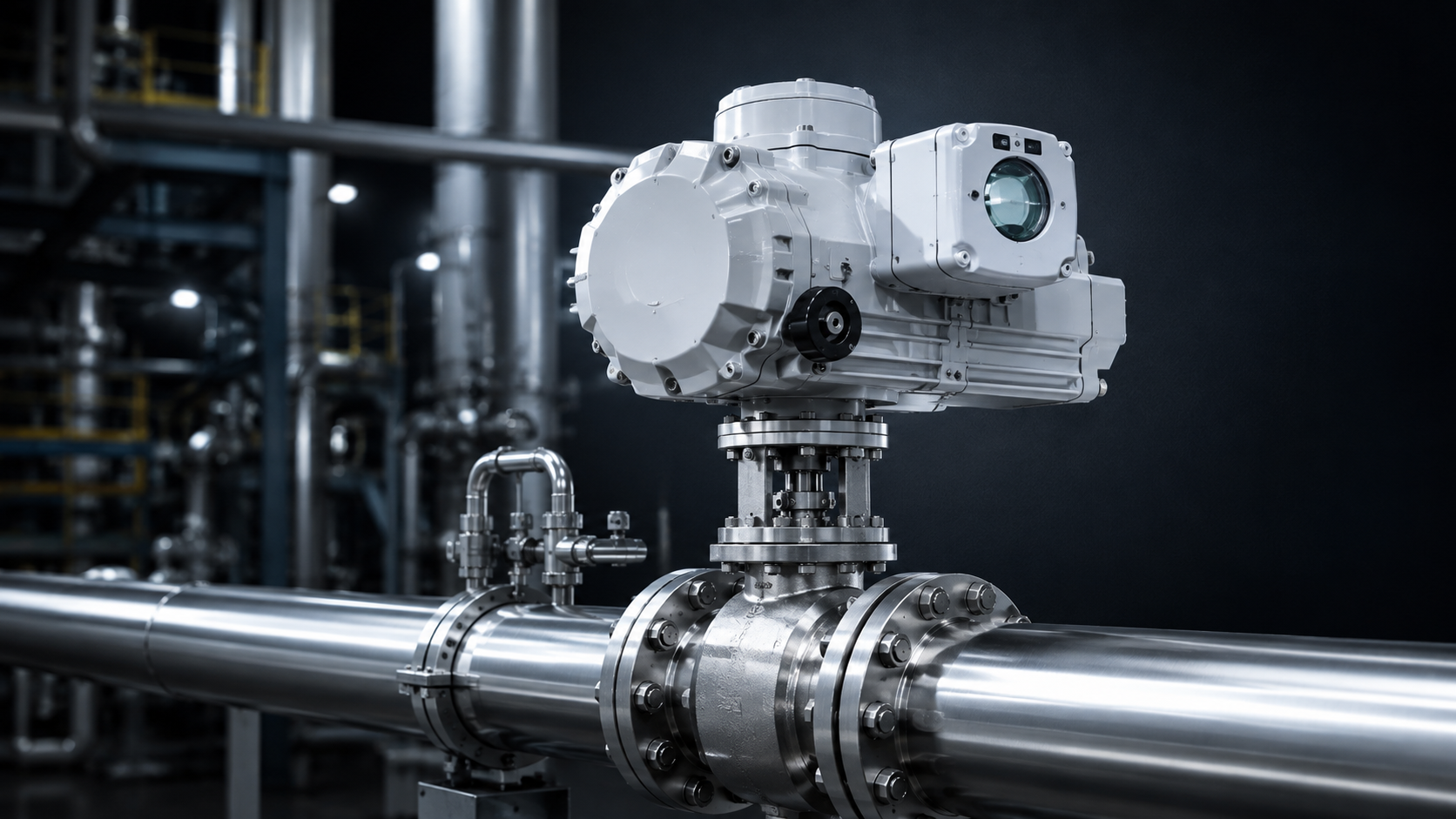
Rotork has developed a strong position in flow control technologies, particularly in applications where accurate and dependable valve operation is essential. ABB's acquisition strengthens its ability to provide integrated solutions for industries that require automation expertise and long term equipment support.
The deal demonstrates a broader industrial trend. Engineering companies are increasingly combining complementary technologies to offer customers complete solutions instead of individual components.
Rotork's Role in Chemical Processing Applications
Chemical manufacturers operate highly controlled environments where small variations in process conditions can affect output quality, efficiency and safety.
Rotork's technology supports industries that require precise flow management, including:
Petrochemical plants where automated valve systems regulate critical production stages and improve operational control.
Water treatment facilities where accurate chemical dosing and fluid management support reliable treatment processes.
Power generation and industrial utilities where automated systems help manage complex fluid and gas operations.
Manufacturing plants producing specialty chemicals that require consistent process conditions.
These applications make flow control technology a valuable part of industrial infrastructure.
How ABB's Acquisition Expands Automation Capabilities
ABB already operates across electrification, robotics, digital industries and industrial automation. Adding Rotork strengthens its position in process industries by expanding its range of control and automation solutions.
The combined capabilities could provide several advantages:
Broader access to customers across chemical, energy and manufacturing sectors.
More complete automation offerings that connect equipment, control systems and digital platforms.
Expanded engineering expertise for large scale industrial projects.
Stronger global service capabilities supporting maintenance and equipment upgrades.
For chemical producers, integrated suppliers can simplify procurement decisions by reducing the need to coordinate multiple technology providers.
What the Acquisition Means for Chemical Procurement Teams
Industrial equipment purchases often involve long term planning because automation systems remain part of production infrastructure for many years. Procurement teams evaluate suppliers based on reliability, technical support and lifecycle value.
Following the ABB Rotork deal, buyers should focus on several areas:
Product portfolio changes that may affect equipment availability and specifications.
Service network developments that could improve technical support in key manufacturing regions.
New automation solutions combining Rotork expertise with ABB digital platforms.
Potential improvements in delivery coordination through a larger global supplier network.
Procurement strategies increasingly focus on supplier resilience, especially as manufacturers operate across multiple countries and regions.
Automation Investment Supports Manufacturing Efficiency
Chemical manufacturers continue investing in automation because operational efficiency directly affects competitiveness. Modern plants use advanced systems to reduce downtime, improve process accuracy and optimize resource consumption.
Automation technologies support:
Predictive maintenance programs that identify equipment issues before failures occur.
Better process visibility through connected monitoring systems.
Improved energy management across production facilities.
Enhanced safety through automated control of critical operations.
As chemical companies expand production capacity, demand for dependable industrial automation solutions is expected to remain strong.
The Role of Digitalization in Future Chemical Production
Digital transformation continues changing how manufacturers manage industrial operations. Connected equipment allows companies to collect operational data and improve decision making across production sites.
The combination of ABB and Rotork technologies could support greater adoption of digital manufacturing practices.
Key areas of development include:
Remote monitoring of industrial equipment performance.
Automated maintenance planning based on equipment conditions.
Improved coordination between production systems and enterprise operations.
More efficient management of global manufacturing assets.
For chemical buyers, digital compatibility is becoming an important factor when selecting industrial technology suppliers.
Looking Ahead: What Buyers Should Do Now
The UK's Rotork acquisition by ABB represents a major development in industrial automation and highlights the increasing value of integrated manufacturing technologies. The 503 pence per share cash offer and substantial premium demonstrate ABB's commitment to expanding its capabilities in critical industrial markets.
Chemical procurement teams should monitor how the acquisition influences product strategies, service networks and automation investments. Companies that evaluate supplier capabilities beyond immediate purchasing costs can build stronger and more reliable supply chains.
The growing connection between automation, sustainability and operational efficiency will continue shaping chemical manufacturing. Businesses that adopt advanced technologies early can improve competitiveness while preparing for future industrial demands.
Ready to source Polyethylene Terephthalate (PET) from verified global suppliers? Explore competitive offers on our platform today.