





Pharma & Healthcare Ingredients
Jul 21, 2026schedule4 Min Read
Ten Days of Conflict: Why Pharma Buyers Should Stop Waiting It Out
As hostilities enter a tenth day with Tehran only tentatively open to talks
Full Reportarrow_forward

prodchem
Jul 21, 2026
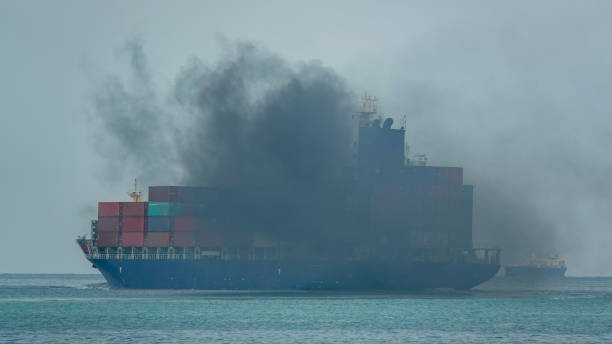
The recent attack on an ADNOC tanker that claimed a mariner’s life has drawn global attention to the vulnerabilities of commercial shipping. While headlines focus on the immediate tragedy, the incident reveals deeper systemic issues that affect tanker safety, crew welfare, marine insurance, and the reliability of chemical supply chains.
When a tanker is struck, the crew faces sudden exposure to toxic chemicals, fire, or structural damage. The loss of a single crew member is a stark reminder that every vessel is a floating, high‑risk community.
Survivors often experience post‑traumatic stress, anxiety, and reduced morale—factors that can lower operational efficiency and increase error rates in subsequent voyages.
Hull Reinforcement – thicker steel and internal blast‑proofing reduce damage from kinetic attacks.
Compartmentalization – isolating critical systems limits cascading failures.
Advanced Surveillance – real‑time satellite and onboard sensors detect hostile activity early.
Improved venting systems, leak‑detection alarms, and automatic shutdown protocols are essential to prevent catastrophic releases during combat or sabotage.
Regulatory bodies now require crew to undergo regular drills that simulate attacks, chemical spills, and fire scenarios. These drills increase crew confidence and readiness.
Mariners often lack comprehensive medical insurance. Post‑incident, many operators are reevaluating benefit packages to cover mental health services and long‑term care.
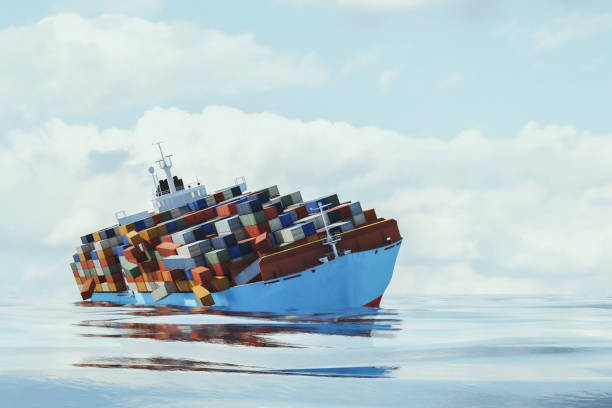
Insurers recalibrate rates based on threat assessments. A single high‑profile attack can triggerLights the entire fleet’s premiums, especially forാഴ്ച chemical carriers.
Standard policies may exclude damages from intentional attacks. Operators must negotiate supplemental policies, which further inflates costs.
Attacks force rerouting, which extends transit times and increases fuel consumption. Delays can cascade into shortages for downstream industries.
Companies are diversifying storage locations and building buffer stocks to mitigate the risk of single‑point failures Glendale in shipping.
International collaboration—sharing intelligence, joint patrols, and unified response protocols—reduces the likelihood of successful attacks.
Investing in crew well‑being programs, advanced safety technologies, and robust insurance portfolios strengthens overall supply chain resilience.

Featured Product
Found this useful?
Continue Reading
As hostilities enter a tenth day with Tehran only tentatively open to talks
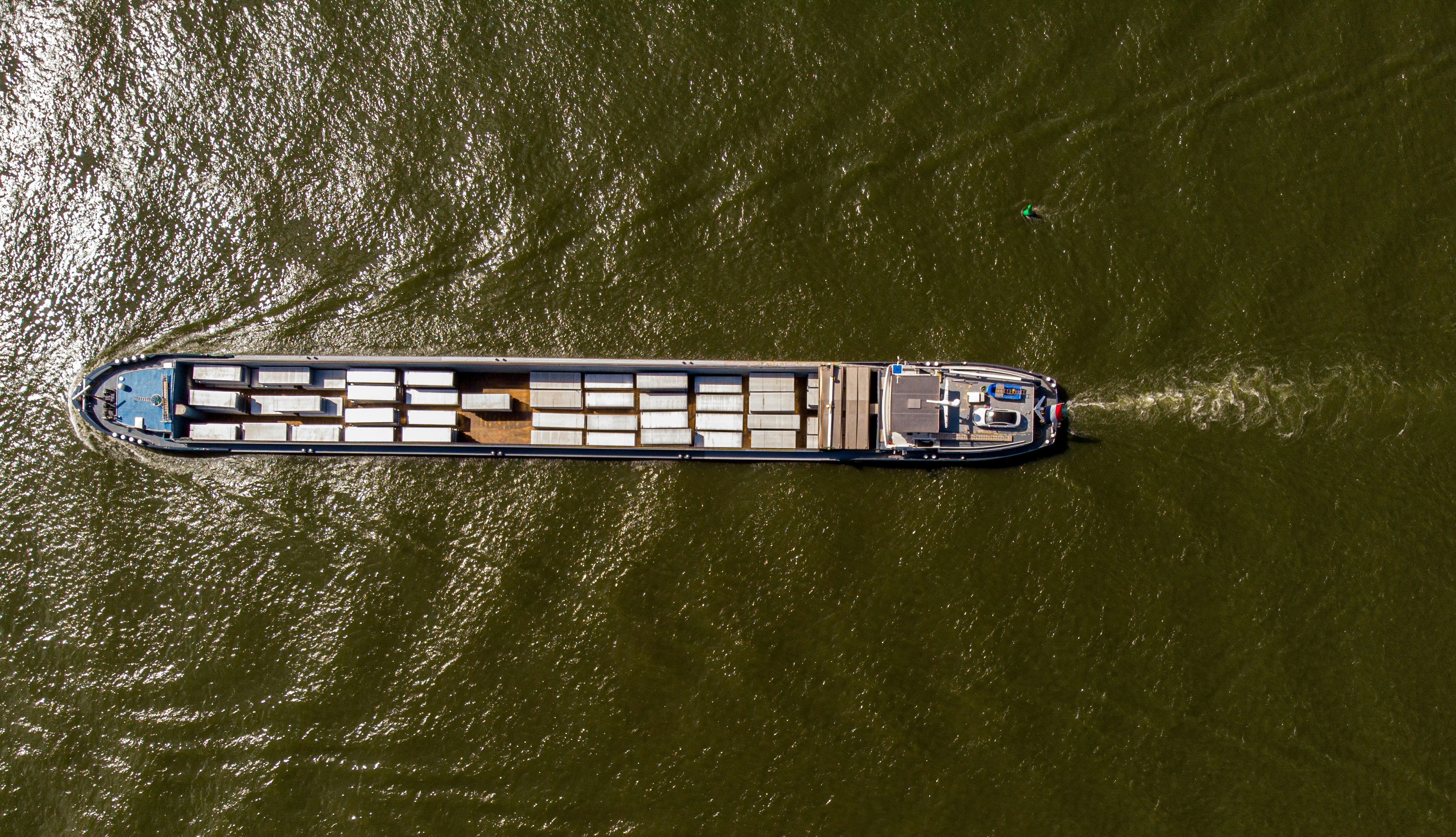
The conflict's expansion to bridges, utilities and ports broadens infrastructure risk for ingredient logistics.
Energy Aspects' warning of oil above $100 carries direct implications