Again's Sugar Feedstock Expansion Could Eventually Touch Agricultural Biomass Sourcing
Introduction
Again, a company focused on converting waste carbon into new materials, is expanding its feedstock strategy around sugar-based inputs. While the move is primarily connected to the company's broader carbon conversion activities, a larger sugar feedstock footprint could eventually create links with agricultural biomass sourcing.
The development is noteworthy because the availability, cost, and sustainability of agricultural raw materials are becoming increasingly important across the bioeconomy. As companies seek scalable alternatives to fossil-based feedstocks, agricultural residues and other biomass resources could become increasingly relevant to industrial supply chains.
Why Sugar Feedstock Matters
Sugar-based feedstocks can serve as an important carbon source for biological and fermentation-based production processes. Compared with conventional fossil-derived raw materials, renewable carbon sources can provide companies with an opportunity to reduce dependence on petroleum and support lower-carbon production models.
For companies scaling carbon-conversion technologies, securing a reliable supply of suitable feedstock is therefore a critical part of commercial expansion.
Again's growing interest in sugar-based inputs could increase the importance of developing diversified and dependable sourcing networks as production capacity expands.
Potential Link to Agricultural Biomass
The connection between sugar feedstocks and agricultural biomass is not necessarily immediate. However, a larger renewable-feedstock strategy could eventually encourage companies to explore additional sources of agricultural carbon.
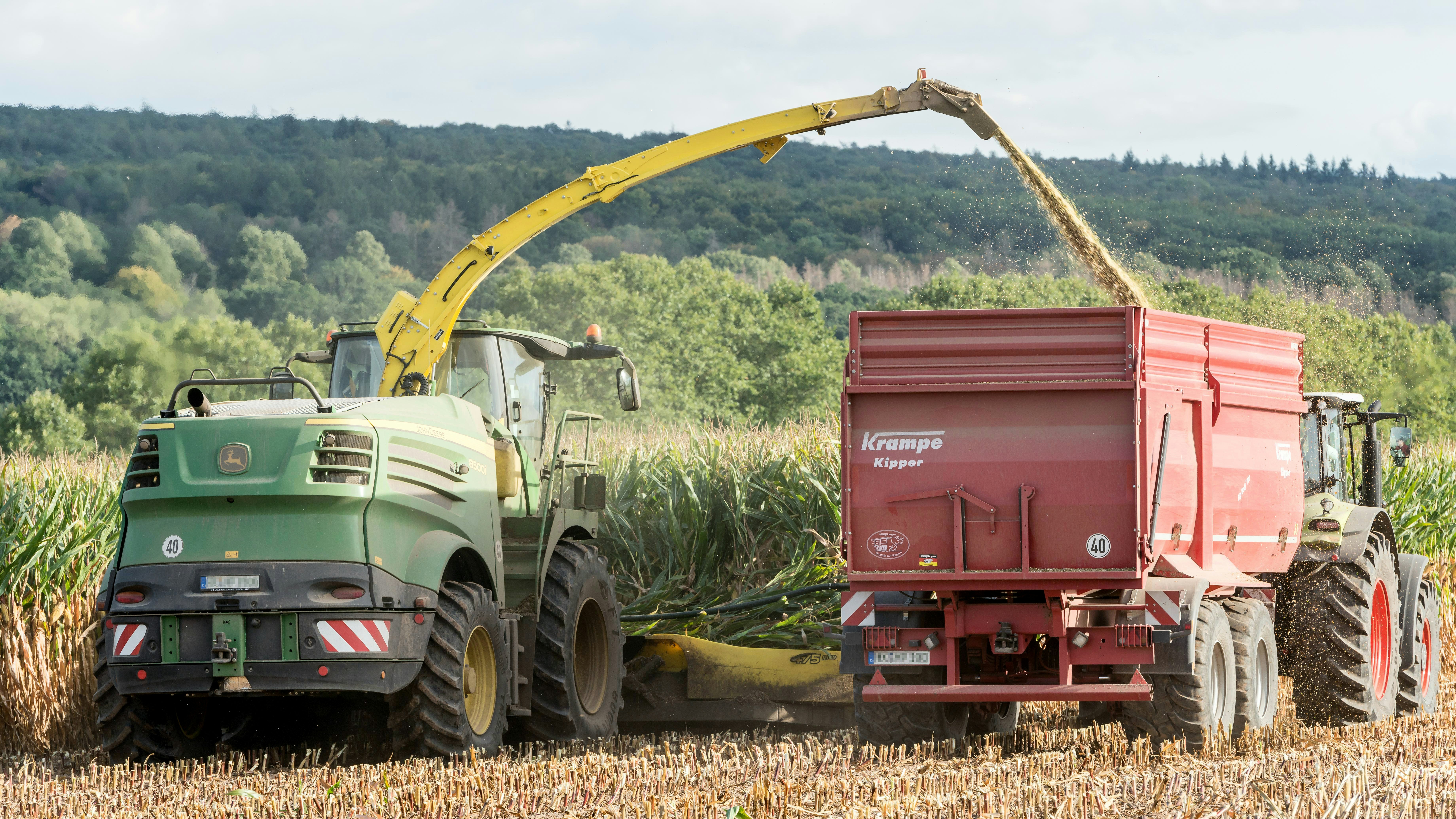
Agricultural operations generate significant quantities of residues, including crop stalks, husks, straw, and other organic materials. Depending on the technology and economics involved, some of these materials can potentially serve as feedstocks for bio-based production.
If demand for renewable carbon continues to increase, companies may look beyond conventional sugar sources and evaluate agricultural residues as part of longer-term feedstock diversification strategies.
Supply Chain Implications
Any expansion into agricultural biomass would introduce a different set of supply-chain considerations.
Unlike industrial sugar supplies, agricultural residues are often geographically dispersed and subject to seasonal availability. Collection, storage, transportation, preprocessing, and quality consistency can all influence the economics of biomass sourcing.
This means that future expansion could require companies to build relationships with farmers, agricultural processors, cooperatives, biomass aggregators, and other suppliers.
The development of regional biomass networks could consequently become an important component of scaling renewable feedstock supply.
Sustainability and Competition for Biomass
Increasing demand for agricultural biomass could also create competition between different end uses. Crop residues are already used for animal feed, soil management, energy generation, and other applications.
Any significant shift toward industrial biomass demand would therefore need to consider local agricultural practices and the sustainability of residue removal. Maintaining soil health, managing transportation emissions, and ensuring that biomass sourcing does not negatively affect farming systems would remain important considerations.
For companies such as Again, sustainable feedstock procurement could become as important as securing sufficient volumes.
What It Could Mean for Agricultural Markets
If the renewable chemicals and materials sector continues to scale, new demand for agricultural feedstocks could create additional value opportunities for farmers and agricultural supply-chain participants.
However, the impact would likely depend on the type of biomass required, the geographical location of production facilities, transportation economics, and the ability of suppliers to provide consistent volumes.
Over time, increased industrial demand could encourage the development of more organized biomass collection and trading networks, particularly in regions with significant agricultural production.
Outlook
Again's expansion of its sugar-based feedstock strategy does not necessarily mean an immediate shift toward agricultural biomass. Instead, it highlights a broader trend: the growing importance of renewable carbon feedstocks in industrial production.
As companies scale technologies designed to replace fossil-based inputs, feedstock diversification could become increasingly important. Agricultural biomass may eventually form part of that diversification, particularly where it can be sourced economically and sustainably.
For agricultural markets, the development is worth monitoring because future demand from the bioeconomy could create new channels for agricultural residues and renewable carbon resources.
Conclusion
Again's expanding sugar feedstock strategy illustrates how the transition toward renewable carbon is gradually reshaping industrial supply chains. Although agricultural biomass may not be an immediate component of the company's sourcing model, continued growth in renewable feedstock demand could eventually create opportunities for agricultural residues to enter new industrial markets.
The key factors to watch will be feedstock economics, technology requirements, regional biomass availability, logistics, and sustainability standards. If these factors align, agricultural biomass could become an increasingly valuable resource for the expanding bio-based industrial economy.