Industrial gas innovation is opening a new path toward cleaner manufacturing. Air Liquide has launched a new CO2 capture pilot project demonstrating technology that could eventually extend into pharmaceutical manufacturing decarbonization. For buyers and suppliers across the pharmaceutical supply chain, this pilot offers an early look at how carbon reduction technology developed for industrial gas applications might reshape production processes down the line.
What the CO2 Capture Pilot Demonstrates
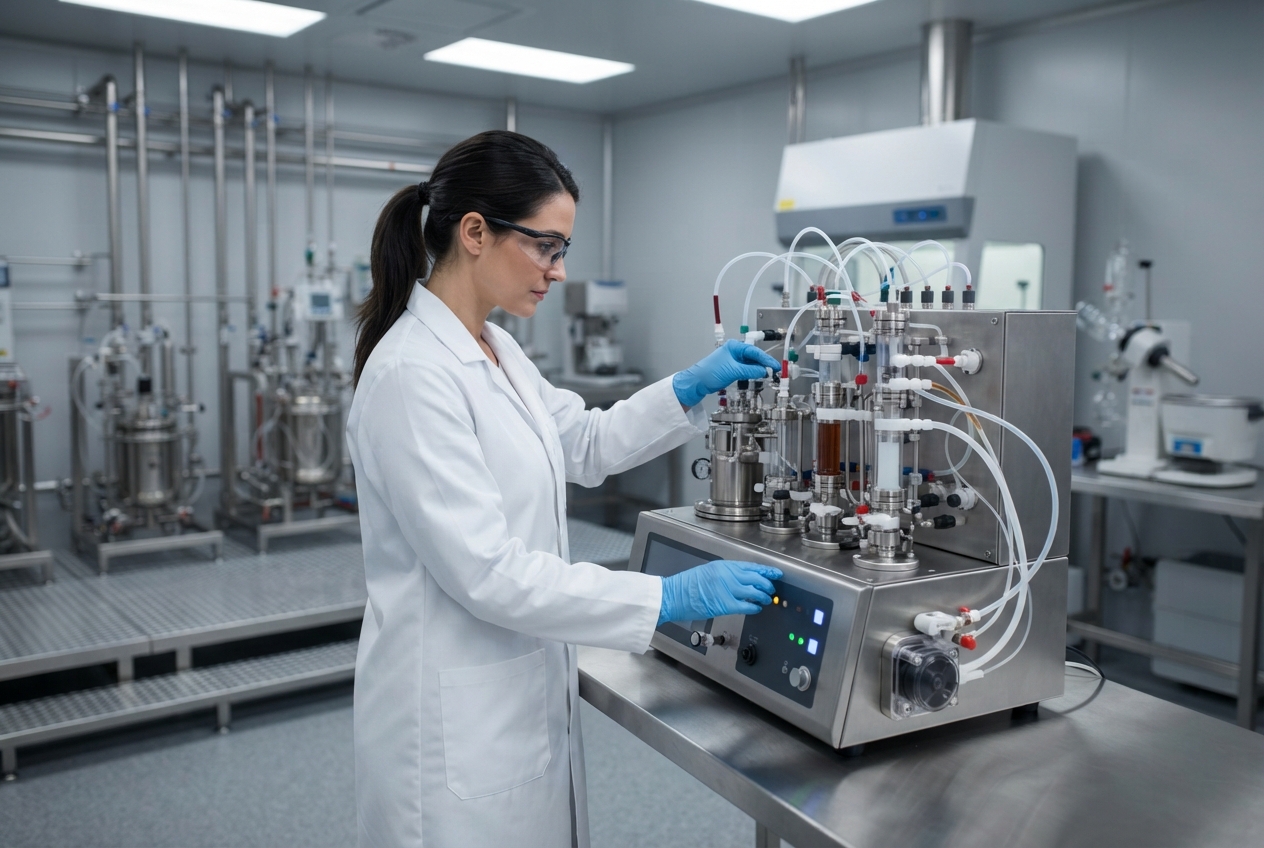
Air Liquide's pilot project focuses on capturing carbon dioxide emissions at the industrial gas production stage, a process that typically generates significant emissions through energy intensive separation and compression steps. Successfully demonstrating this technology at pilot scale represents an important proof point before wider commercial deployment becomes realistic.
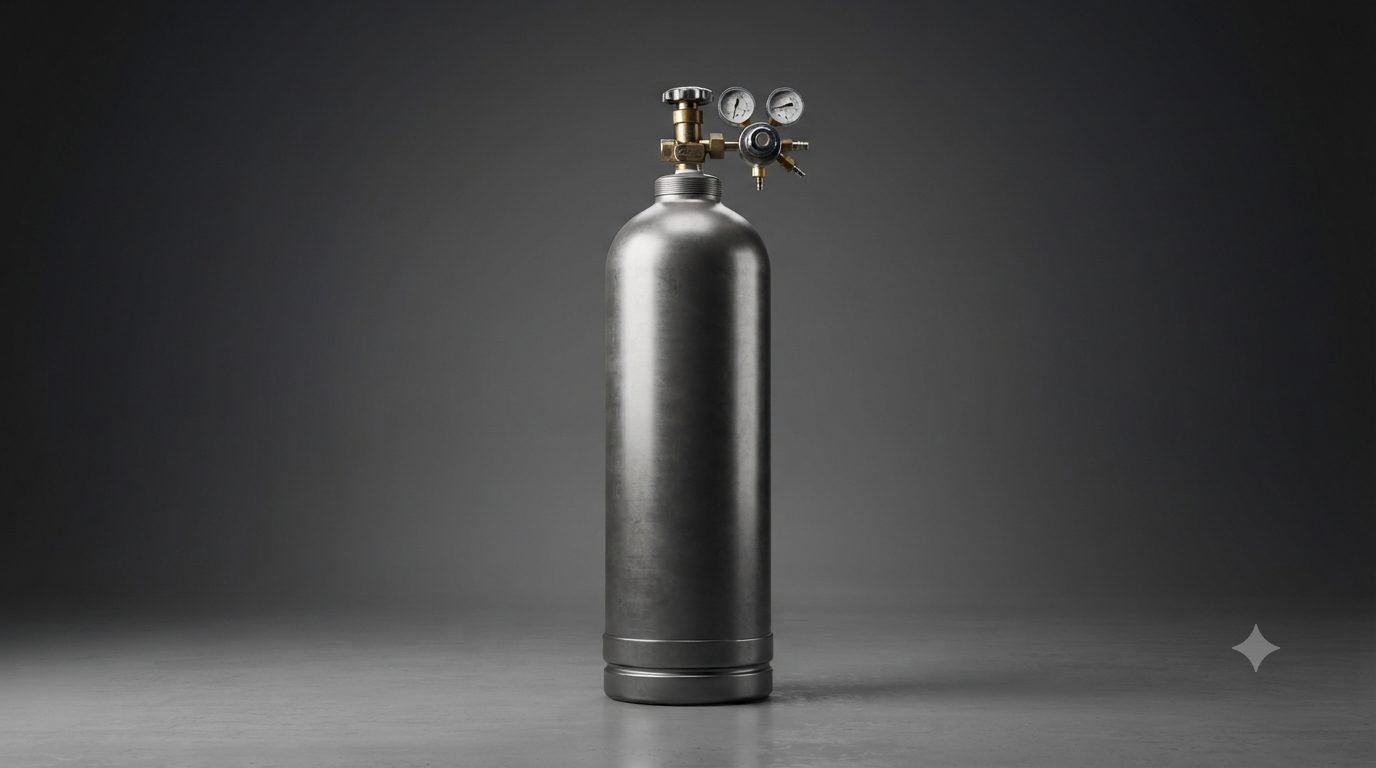
Industrial gas producers like Air Liquide supply essential inputs across many manufacturing sectors, including pharmaceutical production, where gases such as nitrogen, oxygen and carbon dioxide play critical roles in processes ranging from inert atmosphere control to freeze drying operations.
Why This Matters for Pharmaceutical Manufacturing
Pharmaceutical manufacturing relies heavily on industrial gases throughout production, and the sector faces growing pressure to reduce its overall carbon footprint alongside other industries. Technology proven in Air Liquide's pilot could eventually find its way into gas supply chains serving pharmaceutical customers specifically.
A few reasons this connection matters for the sector:
Shared supplier relationships: Many pharmaceutical manufacturers already source industrial gases from major producers like Air Liquide, creating a natural pathway for decarbonization technology to reach this sector.
Regulatory pressure alignment: Pharmaceutical companies face their own sustainability targets, making lower carbon gas supply an attractive option once available at commercial scale.
Process compatibility: Gas applications used in pharmaceutical manufacturing often mirror those used more broadly in industrial settings, supporting easier technology transfer between sectors.
What This Means for Pharma Buyers and Suppliers
Procurement teams sourcing industrial gases for pharmaceutical manufacturing should watch how this pilot progresses toward broader commercial availability. Early stage pilots can take years to reach full scale deployment, but they often signal where major suppliers plan to direct future investment.
A few practical points worth considering:
Ask current industrial gas suppliers about their own decarbonization roadmaps and how technology like this might eventually apply to pharmaceutical grade gas supply.
Watch for pilot program expansions or partnerships that specifically target pharmaceutical or life sciences customers.
Consider how lower carbon gas sourcing options might support broader sustainability commitments within pharmaceutical manufacturing operations.
The Technical Path From Pilot to Pharma Application
Moving carbon capture technology from an industrial gas pilot into pharmaceutical grade applications typically requires additional validation steps, given the strict purity and quality standards pharmaceutical manufacturing demands. Any gas supply reaching drug production processes must meet rigorous specifications beyond what general industrial applications require.
This means buyers should expect a longer runway before pilot technology like Air Liquide's translates into commercially available lower carbon gas options specifically qualified for pharmaceutical use.
A Broader Pattern of Decarbonization Across Chemical Supply Chains
This pilot fits within a wider trend of major chemical and industrial gas producers investing in carbon capture and reduction technology across their operations. As more sectors, including pharmaceuticals, face mounting pressure to demonstrate sustainability progress, suppliers who develop proven decarbonization technology early often gain a competitive advantage when demand for lower carbon inputs increases.
Pharmaceutical buyers watching this space should expect similar pilot announcements from other major industrial gas and chemical suppliers as the broader industry moves in this direction.
What Buyers Should Watch Next
As Air Liquide's pilot program develops, a few signals are worth tracking:
Whether the pilot expands toward commercial scale deployment and on what timeline.
Any specific announcements targeting pharmaceutical or life sciences gas supply with lower carbon options.
How competing industrial gas producers respond with their own decarbonization pilot programs.
The Bottom Line for Pharmaceutical Gas Buyers
Air Liquide's CO2 capture pilot offers an early signal of where industrial gas technology could head, with real potential to eventually support pharmaceutical manufacturing decarbonization. For buyers and suppliers in this space, staying informed on pilot progress now offers useful context for longer term sourcing and sustainability planning.
Ready to source industrial process gases from verified global suppliers? Explore competitive offers on our platform today.