Conflict-driven price increases have offered European petrochemical producers some short-term earnings relief, but Asian competition continues to shape the sector's longer-term outlook. European petrochemical earnings remain exposed to a structural gap in production costs, capacity growth and market demand.
For chemical traders, procurement managers, importers and industrial buyers, the central issue is not whether prices can rise during a supply disruption. The bigger question is whether European producers can maintain stronger margins once temporary market support fades and Asian suppliers continue competing aggressively across international markets.
Conflict-Driven Price Gains Offer European Producers Temporary Relief
Geopolitical disruption can quickly change the balance between supply and demand across petrochemical markets. When conflict affects energy flows, shipping routes or access to key feedstocks, regional prices can rise even when underlying demand remains weak.
That environment can provide European producers with a short-term earnings boost. Higher selling prices may improve revenue and partially offset elevated operating costs, especially when competing supply faces transportation delays or additional logistical risks.
However, this type of support does not automatically resolve Europe's deeper competitiveness challenges. If the price increase comes from a temporary disruption rather than stronger industrial demand, producers may struggle to maintain improved margins once supply conditions normalize.
The market therefore presents a mixed picture. Short-term pricing strength can improve earnings, while long-term competition continues to limit the durability of that recovery.
Asian Petrochemical Capacity Continues to Reshape Global Competition
Asian producers remain a major force in global petrochemical markets because of their expanding production capacity and ability to serve both domestic and export demand. New plants and integrated production systems have increased the volume of material available to buyers across international markets.
For European producers, this creates pressure on several fronts:
Export competition: Asian suppliers can compete for customers in regions that previously offered European producers attractive export opportunities.
Capacity growth: New production capacity can increase global availability and limit the ability of producers to sustain higher prices.
Cost pressure: Producers with more competitive feedstock access and large-scale integrated operations can place pressure on higher-cost European facilities.
Regional substitution: Buyers can increasingly compare supply from multiple origins, making price, freight, reliability and payment terms central to purchasing decisions.
This competition affects more than finished petrochemical prices. It also influences contract negotiations, inventory decisions and the willingness of buyers to commit to long-term supply agreements.
European producers must therefore compete in a market where buyers have greater access to alternative origins. That reality can limit the impact of temporary price increases.
Why European Petrochemical Margins Face Structural Pressure
Europe's petrochemical industry operates within a challenging cost environment. Energy expenses, feedstock economics, environmental requirements and aging production assets can all affect the competitiveness of local manufacturing.
When prices rise sharply, producers may recover some of these costs. But when demand weakens or global supply expands, margins can contract quickly.
The problem becomes more serious when buyers can source comparable products from lower-cost regions. Even if European producers offer shorter delivery times or stronger supply reliability, the price gap can influence purchasing decisions for large-volume commodities.
This creates a difficult commercial equation for European manufacturers. They must maintain production despite challenging economics while also protecting market share against suppliers with potentially lower cost structures.
For buyers, this competition can create sourcing opportunities. For producers, it can make every additional tonne of capacity and every change in operating cost more important.
Energy, Feedstock and Freight Costs Remain Central to the Outlook
Petrochemical competitiveness depends heavily on the relationship between selling prices and production costs. Energy and feedstock expenses remain particularly important because they influence the cost base across multiple stages of the value chain.
Freight also plays a growing role in sourcing decisions. A lower-priced Asian cargo may lose some of its advantage if shipping costs rise or transit routes become more complicated. Conversely, a European supplier may remain competitive when shorter delivery times reduce inventory requirements or supply risk.
Procurement teams should evaluate the complete landed cost rather than comparing only the quoted chemical price. Key considerations include:
Product price and payment terms
Freight and insurance costs
Delivery time and route reliability
Storage requirements
Import duties and local compliance obligations
Supplier consistency across multiple shipments
This broader calculation can change the preferred source of supply. A supplier with a higher initial price may still offer a better overall commercial result if it reduces delays, inventory exposure or operational disruption.
Asian Competition Can Limit the Duration of a European Earnings Bounce
The main risk for European petrochemical earnings is that stronger prices may attract additional supply or lose support as disrupted trade flows recover. When buyers regain access to alternative sources, competition can return quickly.
Asian suppliers can influence European market conditions even when they do not directly sell large volumes into every European market. Their presence affects global balances, export availability and the pricing expectations of international buyers.
If Asian production remains high while demand growth stays moderate, sellers may compete more aggressively for export markets. That can place a ceiling on price increases and make it harder for European producers to pass higher costs through the supply chain.
This dynamic matters particularly for standardized products. Buyers can often compare specifications across origins with relative ease, making price competition more direct.
For European producers, differentiation may therefore become increasingly important. Supply reliability, technical support, product quality, sustainability credentials and proximity to customers can help offset some cost disadvantages, but these advantages may not fully eliminate price pressure.
What the Competition Means for Chemical Traders and Importers
Market volatility creates both risks and opportunities for trading companies. A sudden price increase can create profitable opportunities for sellers holding inventory, but it can also increase the risk of purchasing material at the peak of a temporary rally.
Traders should pay close attention to the difference between a genuine change in fundamentals and a short-term disruption. A price increase supported by sustained demand may have more staying power than one driven mainly by logistics problems or geopolitical uncertainty.
A disciplined sourcing strategy can help businesses manage this environment:
Compare multiple origins: European, Asian and other international suppliers may offer different combinations of price, freight and reliability.
Avoid excessive concentration: Relying on one region can increase exposure to unexpected production or transportation disruptions.
Track replacement costs: The cost of securing the next shipment matters more than the price paid for existing inventory.
Use flexible purchasing schedules: Staggered buying can reduce the risk of committing all volume during a temporary price spike.
Review supplier reliability: The lowest offer may not provide the best value if delivery performance remains uncertain.
These practices become especially important when market sentiment changes faster than physical supply conditions.
European Buyers Could Gain More Leverage as Supply Options Expand
Growing Asian competition may create additional negotiating power for European buyers. When several producing regions compete for the same customers, procurement teams can use alternative offers to improve commercial terms.
The strongest position usually comes from having verified options before a supply disruption occurs. Buyers that wait until a shortage emerges may face limited availability and higher prices.
Long-term procurement planning should therefore include regular supplier reviews. Companies can evaluate whether existing contracts remain competitive, whether alternative origins meet technical requirements and whether logistics routes provide sufficient resilience.
This approach can also improve negotiations with incumbent suppliers. A buyer with credible alternatives has more flexibility when discussing price adjustments, delivery schedules and contract volumes.
The market may remain volatile, but stronger sourcing networks can reduce the impact of individual price shocks.
Sustainability and Regulation Add Another Layer to Cost Competition
European petrochemical producers also face a complex regulatory environment. Environmental requirements and sustainability expectations can influence investment decisions, operating costs and product demand.
These factors may increase the cost of production in the short term, but they can also create opportunities for producers that develop lower-emission processes, improve efficiency or offer better traceability.
The challenge comes from competing with suppliers operating under different cost structures. Buyers increasingly need to balance price with regulatory compliance, customer requirements and sustainability targets.
For procurement teams, the most competitive supplier may not always be the one offering the lowest initial price. A product that supports compliance requirements and reduces supply chain risk can provide greater value over the full purchasing cycle.
This is particularly relevant for companies selling into markets with strict environmental and product standards. Compliance failures can create costs that far exceed the initial difference between competing offers.
The 2027 Outlook Depends on Capacity, Demand and Cost Discipline
The outlook for European petrochemical earnings will depend on how several market forces develop at the same time. Temporary price support may continue to influence near-term results, but long-term performance will depend more heavily on structural competitiveness.
The key factors to monitor include:
Global capacity additions: New production can increase competition and pressure commodity margins.
Industrial demand: Stronger consumption from manufacturing, construction, automotive and consumer goods could improve market balances.
Energy economics: Changes in energy costs can significantly alter the competitive position of European producers.
Trade flows: Shifts in Asian exports and international shipping routes can change regional supply availability.
Plant rationalization: Permanent closures or reduced operating rates could help rebalance oversupplied markets.
The outcome will likely vary by product. Some petrochemical segments may benefit from tighter supply while others continue to face significant competition from expanding Asian capacity.
For buyers, this means a single market view may not be enough. Procurement strategies should reflect the specific product, origin, freight route and demand conditions affecting each supply chain.
What Buyers Should Do Now
European petrochemical earnings may receive support from conflict-driven price movements, but Asian competition remains a powerful long-term force. Buyers should avoid treating temporary market strength as proof of a lasting recovery in producer margins.
Procurement teams can improve resilience by maintaining multiple qualified suppliers, monitoring global capacity trends and comparing total landed costs across origins. Traders can also benefit from tracking the difference between short-term price spikes and changes in underlying supply and demand.
The most effective strategy is to stay flexible. A market shaped by geopolitical disruptions, expanding Asian capacity and uneven demand will reward buyers who maintain strong supplier networks and make decisions based on both price and supply reliability.
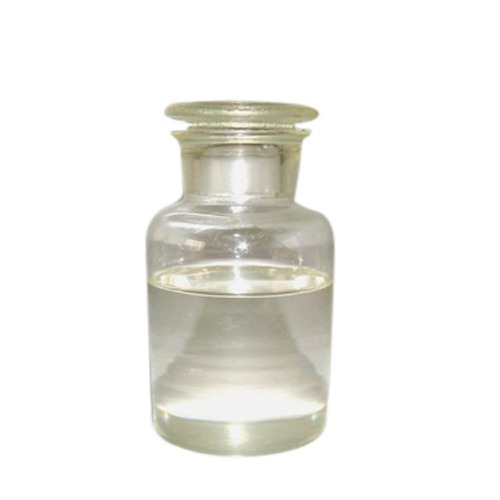
Ready to source Styrene Monomer from verified global suppliers? Explore competitive offers on our platform today.