A new water-quality concern is emerging around atmospheric water generation (AWG) as research shows that indoor pollutants can transfer into condensation-derived drinking water. The finding raises questions for manufacturers, chemical suppliers and procurement teams that source treatment materials for these systems.
AWG technology extracts moisture from ambient air and converts it into usable water. While the process can reduce dependence on conventional water sources, the quality of the incoming air now deserves greater attention because contaminants in that air may influence the final water quality.
For chemical traders, the development could create new opportunities around filtration, adsorption, disinfection and water purification chemicals. It could also push buyers to demand more detailed performance specifications from suppliers.
Why Atmospheric Water Generation Standards May Need to Change
Traditional drinking-water controls focus heavily on the quality of the water entering a treatment system. AWG systems introduce a different starting point because they use air as the raw material.
Indoor environments can contain volatile organic compounds, particulate matter, microbial contaminants and other pollutants from cleaning products, building materials, furnishings and industrial activities. When an AWG unit processes that air, some contaminants can potentially enter the condensation stream.
This creates a broader quality-control question. Manufacturers cannot evaluate the finished water alone if the composition of the surrounding air affects what the system collects.
Future AWG requirements may therefore need to consider three connected areas:
Air quality: The environment surrounding the generator can influence the contaminants entering the system.
Treatment performance: Filters and purification stages must address contaminants that may transfer from air into condensate.
Storage and distribution: Water quality can change after collection if tanks, pipes or other components allow microbial growth or contamination.
For buyers, this approach could change how they specify treatment chemicals and filtration media for AWG applications.
Indoor Air Pollution Creates an Air-to-Water Pathway
The central concern involves the movement of contaminants from indoor air into water. Condensation does not automatically remove every substance present in the air, particularly when certain compounds have properties that allow them to interact with water.
This matters because indoor air can contain a complex mixture of chemical substances. A commercial building, laboratory, manufacturing facility or residential property can expose an AWG unit to very different air conditions.
The operating environment therefore becomes part of the water-quality equation. An AWG system installed in a clean office may face a different contaminant profile from one operating near chemical storage, industrial processes or heavy use of cleaning agents.
For procurement teams, this distinction supports a more application-specific approach. Instead of purchasing a standard filtration package for every installation, buyers may increasingly need to evaluate the expected air environment and the treatment technology used by the equipment supplier.
What Contaminants Could Matter for AWG Buyers?
The concern extends beyond one particular contaminant category. AWG manufacturers and their chemical suppliers need to consider the range of substances that can enter the condensation process.
Potential areas of attention include:
Volatile organic compounds: These substances can originate from solvents, coatings, adhesives, cleaning products and building materials. Their behavior during condensation makes filtration and adsorption performance important considerations.
Particulate contamination: Fine particles can enter air-handling systems and create additional filtration requirements before condensation occurs.
Microbial contamination: Airborne microorganisms can enter equipment, while moisture and storage conditions can create opportunities for microbial growth.
Chemical vapors: Industrial and commercial environments may contain airborne chemicals that require application-specific controls.
Contaminants introduced during storage: Even when condensate leaves the generation stage in good condition, poorly maintained tanks and distribution systems can affect its quality.
The exact treatment strategy depends on the system design and operating environment. However, the emerging issue makes contaminant capture capability an increasingly important purchasing criterion.
How Treatment Chemicals Can Support AWG Water Quality
AWG manufacturers can use several treatment stages to improve the quality of collected water. Chemical traders can play an important role by supplying consistent, application-grade materials that support these processes.
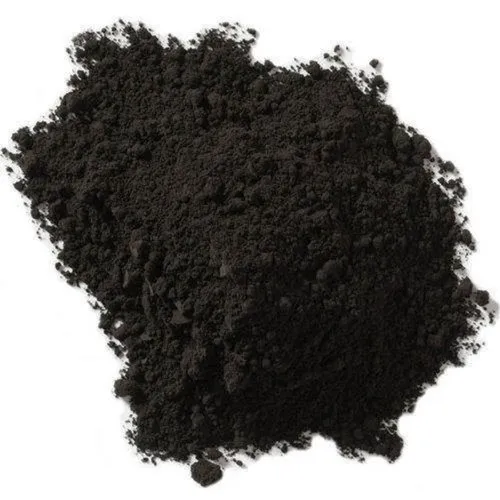
Activated carbon is particularly relevant because adsorption can help remove a range of organic contaminants from water. Depending on system design, carbon-based filtration can form part of a treatment train positioned after condensation.
Other treatment materials may support different stages of the process. Disinfection chemicals can address microbial risks, while specialized filtration systems can target suspended particles and other contaminants.
Procurement teams should evaluate treatment materials according to the complete AWG process rather than focusing only on unit price. Key purchasing considerations include:
Adsorption or removal performance for the intended contaminant profile.
Consistency between batches and supply lots.
Applicable technical specifications and purity requirements.
Packaging and storage requirements.
Supplier documentation and traceability.
Compatibility with the equipment's filtration design.
Availability across the required sourcing region.
For chemical distributors, this creates a potential shift from commodity-based selling toward performance-based water treatment supply.
Why Microbial Control Remains Important
Chemical purity represents only one part of the AWG challenge. Water collection equipment creates a moist environment, and inadequate cleaning, disinfection or storage controls can introduce microbial concerns after condensation takes place.
This makes the entire water pathway relevant to procurement. Buyers should examine the collection tank, internal surfaces, piping, filters and dispensing components rather than treating the generator as an isolated appliance.
Treatment requirements may also change according to how quickly the water moves through the system. A unit with frequent turnover can present different storage risks from a system that holds collected water for extended periods.
Procurement specifications should therefore address both initial treatment and ongoing system hygiene. Chemical suppliers that can provide suitable disinfecting materials alongside filtration solutions may gain an advantage as AWG systems become more sophisticated.
A New Procurement Model for Atmospheric Water Systems
The emerging issue could change the way companies buy AWG equipment and associated chemicals. Procurement teams may need to move beyond equipment specifications such as production capacity, electricity consumption and condensation efficiency.
Water quality should become a central purchasing criterion. Buyers can request information about the contaminants the system targets, the treatment stages it uses and the expected performance under different environmental conditions.
A stronger procurement checklist could include:
Define the operating environment. Identify whether the generator will operate in a home, office, industrial facility, laboratory or another setting.
Assess likely airborne contaminants. Consider chemicals, particles and biological contaminants associated with the site.
Review the treatment train. Determine which filtration, adsorption and disinfection technologies the manufacturer uses.
Specify chemical quality requirements. Match activated carbon and other treatment materials to the intended application.
Evaluate maintenance requirements. Establish replacement schedules for filters and procedures for cleaning collection and storage components.
Request supplier documentation. Consistent certificates, technical specifications and batch traceability can support quality control.
Consider total treatment cost. A low-cost filtration material may become expensive if it requires frequent replacement or delivers inconsistent performance.
This approach can help importers and distributors reduce quality risks while creating clearer purchasing specifications.
What the Regulatory Landscape Could Mean for Chemical Traders
The emergence of AWG-specific water-quality concerns may eventually encourage regulators and standards organizations to examine whether existing drinking-water requirements adequately address atmospheric water production.
A dedicated framework could potentially cover the quality of incoming air, contaminant transfer during condensation, treatment effectiveness and microbial control throughout storage and distribution.
For chemical traders, any movement toward more detailed standards could increase demand for documented treatment performance. Buyers may increasingly seek materials supported by consistent specifications rather than purchasing solely on chemical identity and price.
Suppliers should prepare for more detailed technical conversations around applications. Product documentation that clearly explains purity, physical characteristics, recommended use and quality-control procedures can strengthen supplier credibility.
Supply Chain Implications for Water Treatment Materials
Greater attention to AWG water quality could also affect the supply chain for filtration and treatment materials. Manufacturers may require larger inventories of activated carbon, filtration media and disinfection chemicals as AWG deployment expands.
Supply continuity will matter particularly for commercial installations. If a treatment material requires regular replacement, an interruption in supply can affect both water quality and system availability.
Chemical buyers should therefore assess suppliers using several factors:
Production capacity and export availability.
Lead times and shipment reliability.
Consistent product specifications.
Packaging suitable for international transportation and storage.
Technical support for application-specific requirements.
Ability to provide repeat orders with consistent quality.
For exporters, AWG represents a specialized downstream application where reliability can matter as much as the initial chemical quotation.
Sustainability Questions for Atmospheric Water Generation
AWG systems can provide an alternative source of water in locations where conventional supplies face limitations. However, the sustainability profile of each system depends on factors such as energy consumption, equipment efficiency, maintenance requirements and the treatment materials used.
Additional filtration can improve water quality but can also increase material consumption. Procurement teams should therefore consider the complete lifecycle of treatment components, including replacement frequency, transportation and disposal.
This creates an opportunity for chemical suppliers to differentiate through efficient products and consistent performance. A treatment material that lasts longer under the intended operating conditions may offer stronger value than a cheaper material with a shorter service life.
Sustainability in AWG procurement should therefore connect water quality with operational efficiency rather than treating the two objectives separately.
How AWG Manufacturers and Buyers Can Prepare
The immediate priority for the industry is stronger coordination between equipment manufacturers, chemical suppliers and water-quality professionals. Each group controls a different part of the air-to-water pathway.
Manufacturers can improve system designs by identifying potential contamination routes. Chemical suppliers can support those designs with treatment materials that match the expected contaminant profile.
Buyers can also strengthen contracts by asking suppliers to provide clear performance specifications. This can help procurement teams compare competing systems on more than production capacity and purchase price.
The strongest commercial opportunity may come from integrated solutions. Suppliers that can combine dependable chemical supply with technical guidance, documentation and consistent international logistics could become valuable partners to AWG manufacturers.
The Bottom Line for Procurement Teams
Atmospheric water generation introduces a different model of water production because the source is not a conventional water body or municipal network. Research showing that indoor pollutants can transfer into condensation-derived drinking water makes air quality an important part of the procurement conversation.
For chemical traders, the development highlights the potential role of activated carbon and other water treatment materials in improving the quality of AWG output. It also reinforces the need for reliable specifications, consistent supply and application-focused technical support.
Procurement teams should evaluate AWG treatment systems as complete air-to-water processes. The quality of the final product depends on the surrounding air, condensation process, treatment stages, storage conditions and maintenance practices.
As the industry develops, dedicated purity and safety standards could provide clearer requirements for manufacturers and buyers. Until then, companies involved in AWG supply chains can strengthen their position by treating contaminant control as a core purchasing requirement rather than an afterthought.