Berkshire Hathaway’s industrial products segment delivered a robust performance in the second quarter of 2026, reporting revenue of $12.2 billion. This figure represents a 27.3% increase compared to the same period last year. The primary driver of this substantial growth is the successful integration of OxyChem, which Berkshire acquired in January 2026. This strategic move has significantly expanded the conglomerate’s footprint in the basic chemicals market, particularly in chlor-alkali products.
For chemical traders and procurement managers, this development signals a major shift in the competitive landscape. The addition of OxyChem’s extensive production network brings greater scale and supply stability to the market. Buyers of caustic soda, chlorine, and related derivatives now have access to a larger, more diversified supplier base under the Berkshire umbrella. Understanding the implications of this integration is crucial for navigating pricing trends and supply availability in the coming quarters.
The 27.3% year-over-year revenue jump highlights the immediate financial impact of the OxyChem acquisition. Prior to January 2026, Berkshire’s industrial products group consisted mainly of manufacturing and building material businesses. The inclusion of OxyChem, a leading producer of chlor-alkali chemicals, added billions in annualized sales volume to the segment.
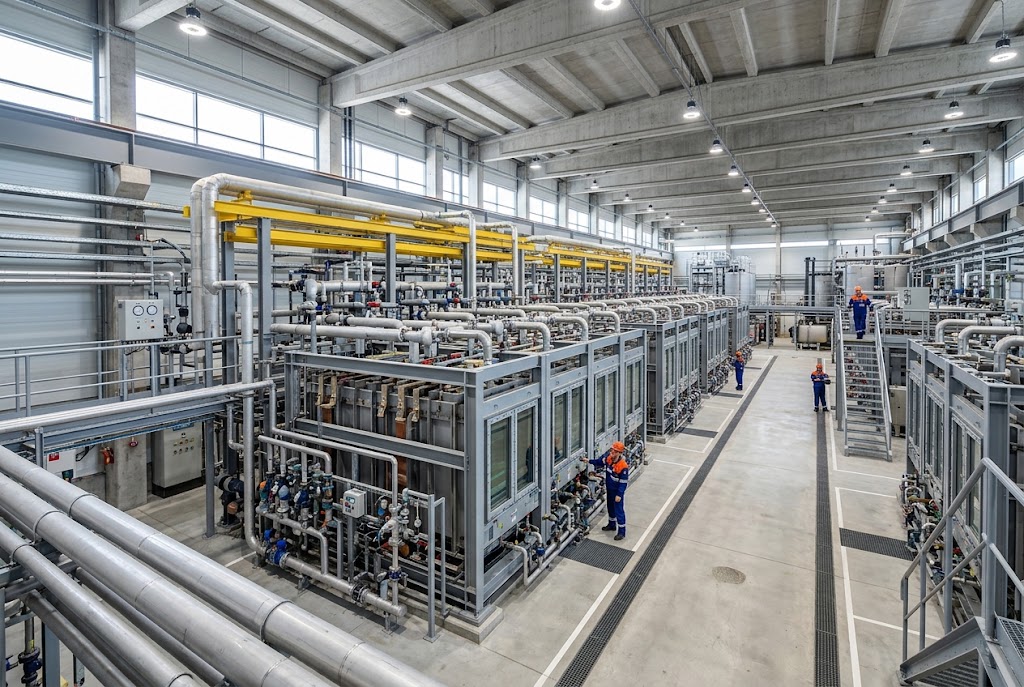
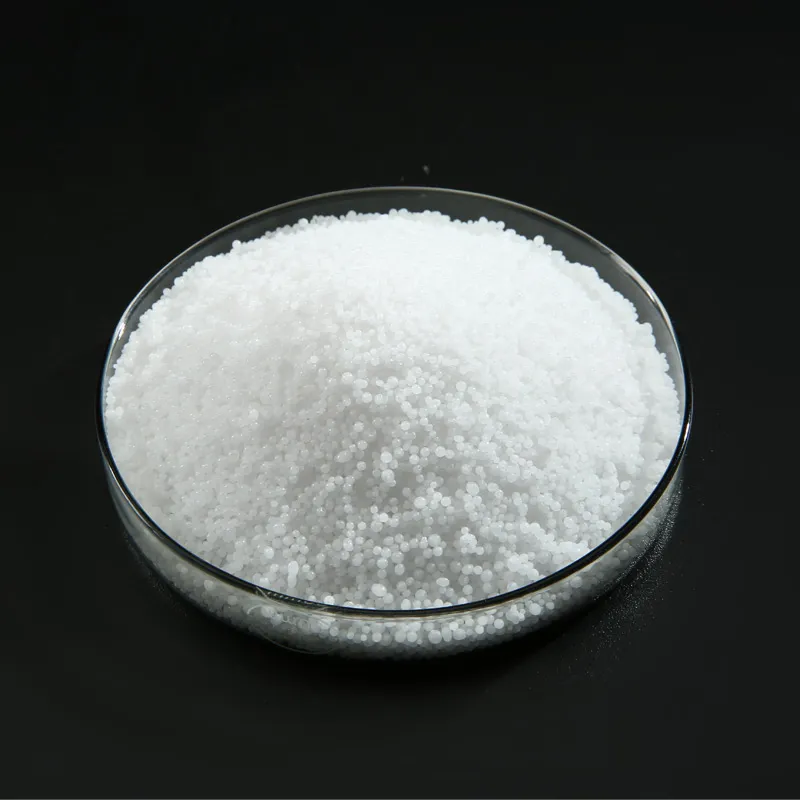
OxyChem operates multiple production facilities across North America, providing a steady stream of essential industrial chemicals. Its product portfolio includes caustic soda, chlorine, hydrochloric acid, and bleach. These commodities are fundamental to various industries, including water treatment, pulp and paper, and chemical processing. The strong Q2 results suggest that demand for these basics remains resilient despite broader economic uncertainties.
The integration process appears to have proceeded smoothly, with minimal disruption to operations. Berkshire’s reputation for operational efficiency and decentralized management likely facilitated a quick assimilation of OxyChem’s business units. This seamless transition ensures that customers continue to receive reliable service while benefiting from the financial strength of the parent company.
Key factors contributing to the revenue surge include:
Full consolidation of OxyChem’s sales figures starting in Q1 2026
Stable demand for chlor-alkali products in key industrial sectors
Effective operational synergy realization post-acquisition
Strong pricing power in tight supply markets for caustic soda
Expanded geographic reach through OxyChem’s distribution network
Strategic Importance of Chlor-Alkali Products
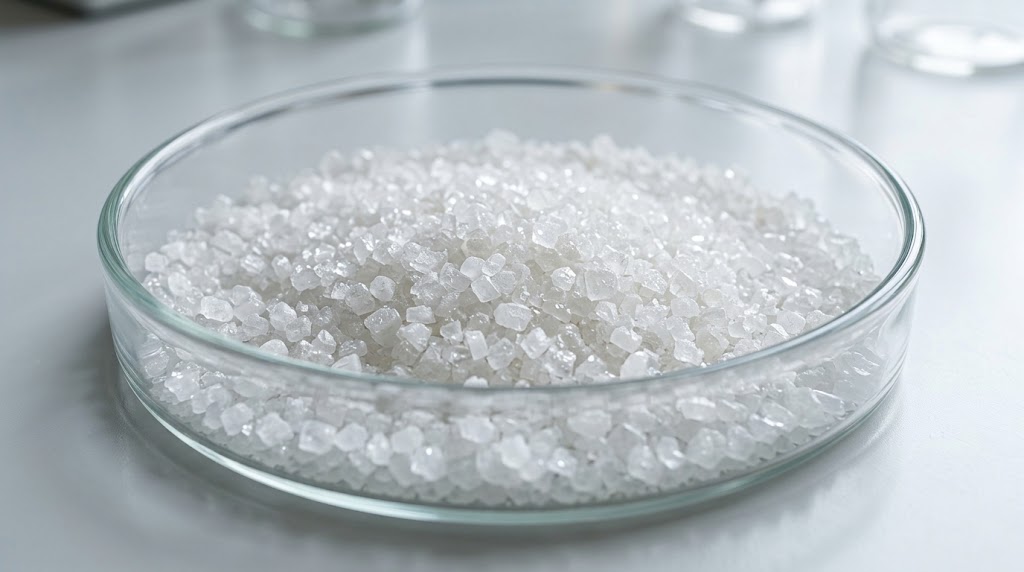
Chlor-alkali chemicals are foundational to modern industry. Caustic soda (sodium hydroxide) is used in everything from aluminum production to soap manufacturing. Chlorine is essential for water purification, PVC production, and pharmaceutical synthesis. The demand for these products is closely tied to industrial activity levels, making them reliable indicators of economic health.
OxyChem’s presence in this sector provides Berkshire with a stable cash flow stream. Unlike cyclical consumer goods, basic chemicals often have consistent demand due to their essential nature. This stability aligns with Berkshire’s investment philosophy of owning businesses with durable competitive advantages and predictable earnings.
For buyers, the scale of the combined entity offers several benefits. Larger production volumes can lead to better economies of scale, potentially lowering costs over time. Additionally, a diversified asset base reduces the risk of supply disruptions caused by maintenance issues or regional events at any single plant. This reliability is critical for procurement teams managing just-in-time inventory systems.
The integration also enhances research and development capabilities. Combined resources can accelerate innovation in production technologies, such as membrane cell efficiency or energy reduction methods. These improvements can lead to more sustainable and cost-effective products for customers.
Market Dynamics for Caustic Soda and Chlorine
The chlor-alkali market is characterized by co-product dynamics. Producing caustic soda inevitably generates chlorine, and vice versa. Balancing the demand for both products is a constant challenge for producers. When demand for one outpaces the other, producers may adjust operating rates to manage inventory levels, affecting overall supply.
OxyChem’s extensive network allows for better balancing of these co-products across different regions. If demand for chlorine is weak in one area but strong in another, logistics and trading capabilities can optimize distribution. This flexibility helps stabilize prices and ensures consistent availability for customers.
Recent market trends show tight supply conditions for caustic soda in certain regions. Energy costs, which are a significant component of production expenses, have remained elevated. Producers with access to low-cost energy sources or efficient technologies hold a competitive advantage. Berkshire’s ownership may provide OxyChem with additional financial resources to invest in energy-efficient upgrades, further strengthening its market position.
Buyers should monitor energy price trends and maintenance schedules as key indicators of future supply availability. Any significant changes in these factors could impact spot prices and contract negotiations. Engaging with suppliers early to understand their production plans is advisable.
Implications for Supply Chain Stability
The acquisition of OxyChem by Berkshire Hathaway enhances supply chain security for many industrial buyers. Berkshire’s strong balance sheet and long-term investment horizon provide a stable foundation for continuous operation and capital investment. This financial strength reduces the risk of bankruptcy or forced asset sales that can disrupt supply chains.
For procurement managers, this stability allows for longer-term contracting strategies. Instead of relying solely on spot purchases, buyers can negotiate multi-year agreements with confidence. These contracts can lock in pricing and volume commitments, protecting against market volatility.
The expanded geographic footprint of the combined entity also improves logistical flexibility. OxyChem’s facilities are strategically located near key consumption centers and transportation hubs. This proximity reduces freight costs and lead times, enhancing overall supply chain efficiency. Buyers in remote or underserved regions may find improved service levels as a result.
However, increased market concentration can also raise concerns about pricing power. With fewer major players controlling a significant share of production, buyers must remain vigilant. Competitive bidding and dual-sourcing strategies remain important tools for managing cost risks.
Sustainability and Environmental Stewardship
Sustainability is increasingly important in the chemical industry. Chlor-alkali production involves significant energy consumption and environmental considerations. OxyChem has historically invested in technologies to reduce its environmental footprint, such as mercury-free membrane cells.
Under Berkshire’s ownership, these efforts may accelerate. Access to capital can fund upgrades to older facilities, improving energy efficiency and reducing emissions. Additionally, Berkshire’s emphasis on corporate responsibility may drive stricter internal standards for environmental management.
Buyers with sustainability goals should engage with suppliers to understand their environmental practices. Requesting data on carbon intensity, water usage, and waste management can help evaluate supplier performance. Partnerships with leaders in sustainability can enhance a buyer’s own ESG credentials.
The integration may also lead to new product offerings focused on green chemistry. Innovations in recycling, bio-based feedstocks, or low-carbon production methods could emerge from the combined R&D efforts. Procurement teams should stay informed about these developments to align their sourcing strategies with corporate sustainability targets.
What Procurement Teams Should Do Now
The integration of OxyChem into Berkshire Hathaway creates new opportunities and considerations for chemical buyers. Procurement professionals should adapt their strategies to leverage the strengths of this expanded supplier base.
First, review existing contracts and supplier relationships. Identify opportunities to consolidate volume with the combined entity to achieve better pricing or service terms. Larger volumes often command more favorable conditions in commodity markets.
Second, assess supply chain risks. While the acquisition enhances stability, it also increases dependence on a single large supplier. Diversifying sources remains prudent to mitigate potential disruptions. Evaluate alternative suppliers for critical materials to maintain bargaining power.
Third, engage with account managers to understand future plans. Discuss capacity expansions, technology upgrades, and sustainability initiatives. Aligning your procurement strategy with the supplier’s long-term direction can create mutual value.
Consolidate volume where possible to leverage scale
Maintain dual-sourcing strategies for critical chemicals
Monitor energy costs and their impact on pricing
Request sustainability data and compliance certifications
Negotiate long-term contracts for price stability
Looking Ahead to Late 2026
The remainder of 2026 will likely see continued integration efforts and optimization of the combined operations. Berkshire may announce further investments in OxyChem’s assets to enhance efficiency and capacity. Buyers should watch for these announcements as they could signal future supply trends.
Market demand for chlor-alkali products is expected to remain steady, supported by industrial activity in key sectors. However, energy price volatility and regulatory changes remain potential headwinds. Procurement teams must stay agile to respond to these dynamic conditions.
Overall, the acquisition strengthens Berkshire’s position in the industrial chemicals sector. For buyers, this means access to a financially secure, operationally efficient, and geographically diverse supplier. By building strong partnerships with this expanded entity, procurement teams can secure reliable supply and drive value for their organizations.
Ready to source caustic soda and chlor-alkali products from verified global suppliers? Explore competitive offers on our platform today.