Global chemical trade has entered another period of policy uncertainty as Brazil announced plans to activate WTO dispute mechanisms and its domestic Reciprocity Law in response to new US chemical and agricultural tariffs. The move highlights how trade policy decisions continue to influence international supply chains, procurement planning and commercial relationships between major economies.
For chemical traders, importers and procurement managers, tariff disputes often extend well beyond the countries directly involved. They can reshape sourcing strategies, alter trade flows and affect pricing across multiple regions as businesses adjust to changing market conditions.
Why the Latest Tariff Dispute Matters
Tariffs remain one of the most influential policy tools in international trade. They can change the competitiveness of imported products, encourage domestic production and redirect global supply chains.
When two major trading nations enter a formal trade dispute, companies throughout the global chemical sector often reassess purchasing decisions, supplier relationships and long-term sourcing strategies.
Brazil's Response Through WTO Mechanisms
Brazil has stated that it will activate the World Trade Organization dispute mechanisms to challenge the new US tariffs. This approach places the disagreement within the established international framework for resolving trade disputes between member countries.
The decision demonstrates Brazil's intention to pursue formal legal and diplomatic channels rather than relying solely on bilateral negotiations. WTO procedures provide a structured process for reviewing trade measures and determining whether they comply with international trade agreements.
The Role of Brazil's Reciprocity Law
Alongside WTO action, Brazil also plans to use its domestic Reciprocity Law.
This legal framework provides the government with additional options when responding to foreign trade measures that affect Brazilian exports. For international businesses, the combination of domestic legal action and WTO proceedings increases the importance of monitoring policy developments over the coming months.
How Chemical Markets Could Feel the Impact
Although the tariffs focus on chemicals and agricultural products, their influence can spread across wider industrial supply chains.
Possible market effects include:
Buyers may diversify sourcing to reduce exposure to tariff-related risks.
Trade flows could shift as exporters seek alternative destination markets.
Importers may review supplier portfolios to improve supply chain resilience.
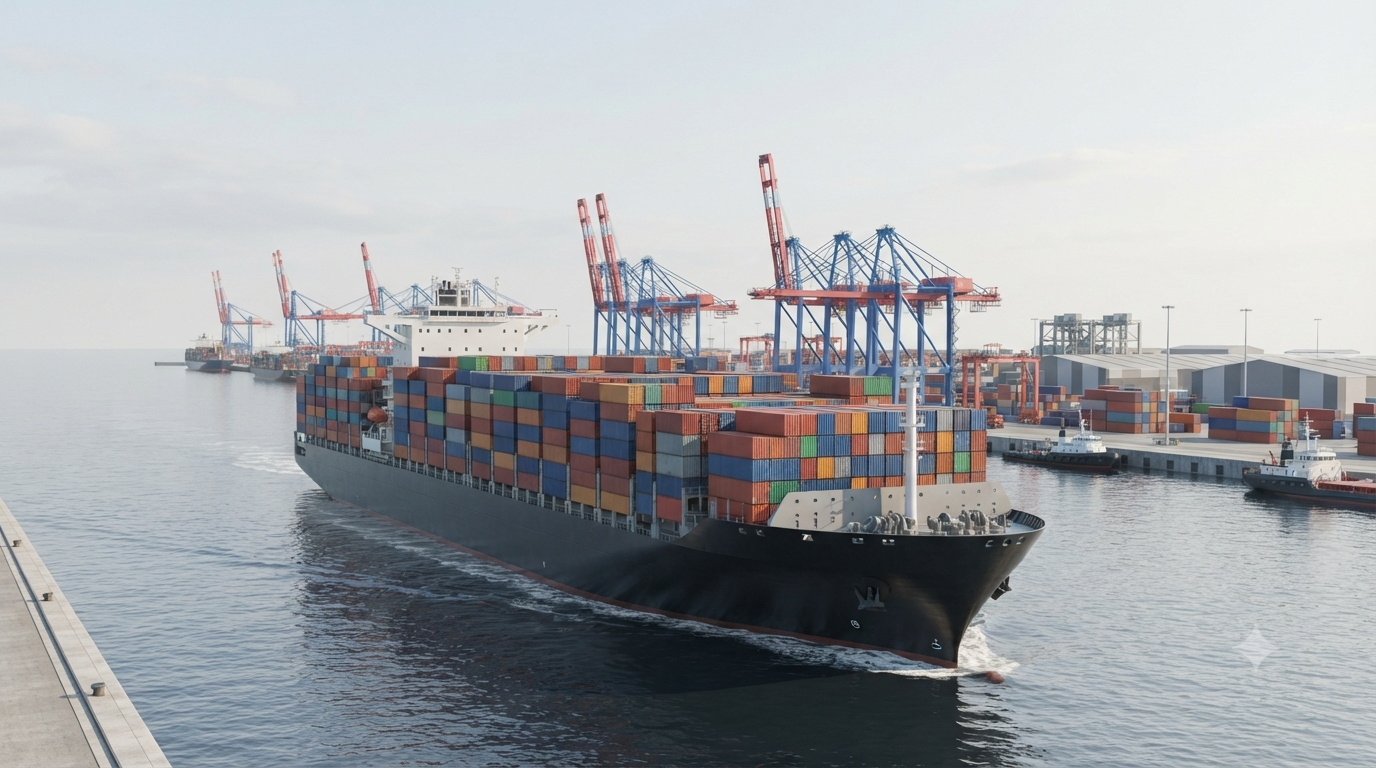
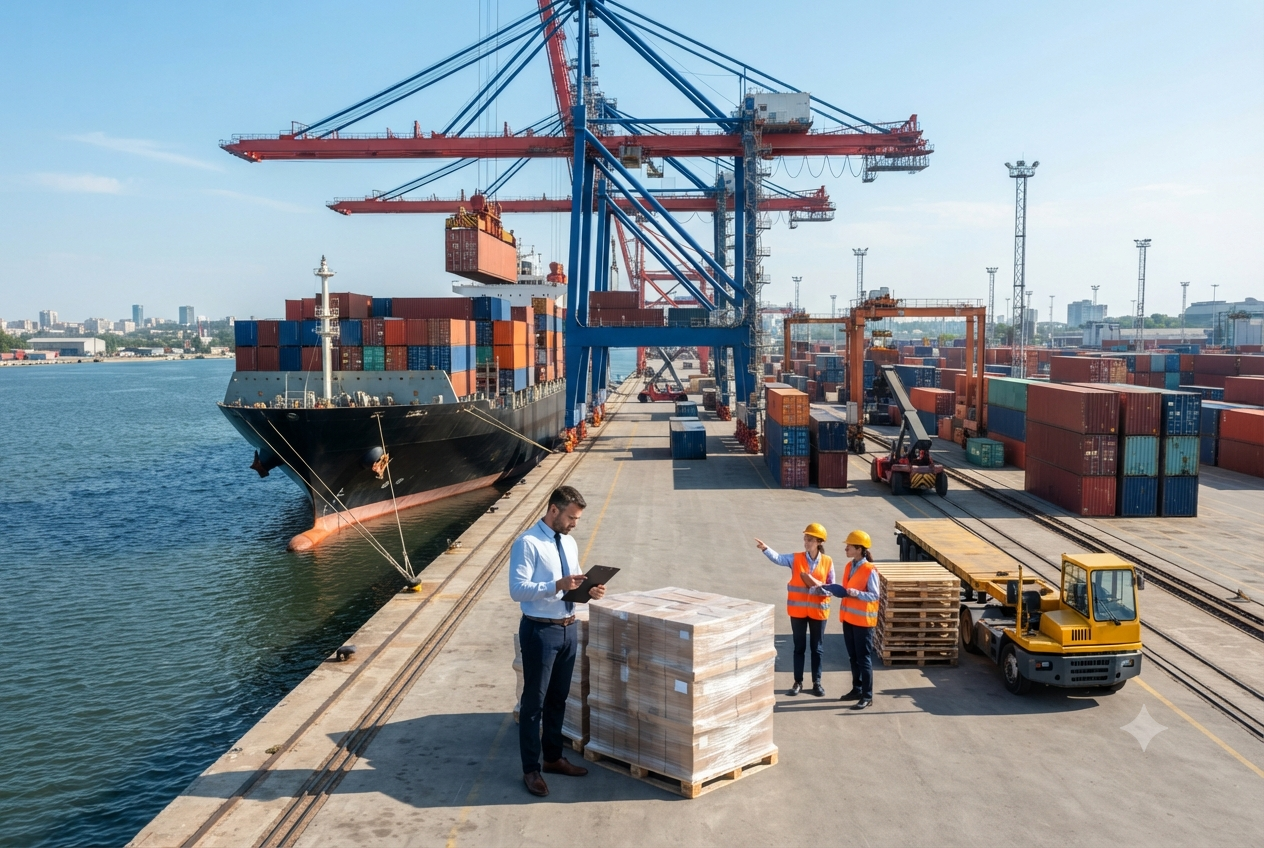
Freight demand may change if cargo volumes move through different trade corridors.
Companies that respond quickly to these changes often maintain greater procurement flexibility.
Procurement Teams Should Monitor Policy Developments
Trade disputes often develop over several stages rather than producing immediate commercial outcomes. Procurement professionals should therefore monitor policy announcements alongside market pricing.
Important areas to watch include:
Changes in tariff implementation timelines.
Additional trade measures announced by either country.
Supplier pricing adjustments linked to new duties.
Availability of alternative sourcing regions.
Freight and logistics developments resulting from changing trade routes.
Regular market monitoring helps procurement teams react before higher costs become embedded in supply contracts.
Supply Chain Diversification Is Becoming More Important
Recent years have shown that geopolitical events, trade disputes and regulatory changes can affect international commerce with little warning.
Many buyers now reduce risk by:
Building relationships with suppliers across multiple countries.
Maintaining balanced inventories for essential raw materials.
Negotiating contracts that provide greater purchasing flexibility.
Reviewing supplier performance beyond product price alone.
A diversified procurement strategy often provides greater resilience during periods of policy uncertainty.
The Broader Outlook for Global Chemical Trade
Trade disagreements between major economies rarely remain isolated. They frequently influence investment decisions, production planning and international sourcing patterns across several industries.
Chemical manufacturers, distributors and traders will continue evaluating market opportunities as governments adjust trade policies. Businesses that maintain strong market intelligence and flexible procurement strategies will be better positioned to respond as global trade conditions evolve.
What Buyers Should Do Next
Brazil's decision to activate WTO dispute mechanisms and its Reciprocity Law highlights how trade policy continues to shape global chemical markets. Procurement teams should evaluate both direct and indirect impacts on sourcing costs, supplier availability and long-term purchasing strategies while monitoring future policy developments.
Businesses that combine diversified sourcing with proactive market analysis will be better prepared to manage uncertainty and maintain reliable supply chains. Ready to source chemical products from verified global suppliers? Explore competitive offers on our platform today.