Brazilian Agrochemical Producers Watch Braskem’s New Ownership for Feedstock Pricing Signals
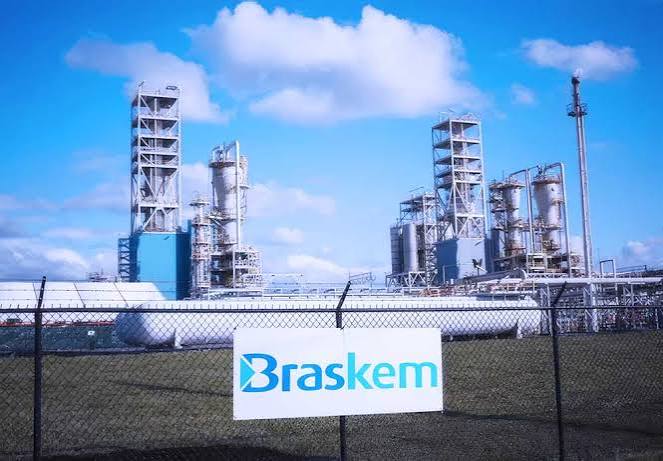
Brazilian agrochemical producers are likely to watch Braskem’s new ownership structure closely, not because the petrochemical company directly controls the agricultural chemicals market, but because changes in feedstock economics can eventually influence the cost structure of Brazil’s broader chemical manufacturing base.
The ownership transition became effective in June 2026, when IG4 Capital and Petrobras became joint controllers of Braskem. IG4, through its Shine investment fund, holds 50.1% of Braskem’s voting shares, while Petrobras retains 47%. Novonor, Braskem’s former controlling shareholder, was reduced to a small non-voting position.
The timing is important.
Braskem is simultaneously dealing with a severe financial restructuring, volatile petrochemical margins and questions about the competitiveness of Brazilian feedstocks.
For agrochemical producers, the immediate concern is not ownership itself.
It is whether the new ownership structure changes feedstock pricing, supply security and downstream chemical costs.
Why Agrochemical Producers Should Care About Braskem
Braskem is primarily a petrochemical producer, not an agricultural chemical manufacturer.
However, its position at the upstream end of Brazil's chemical industry means that its feedstock economics can provide useful signals for the wider market.
A simplified chain looks like this:
Oil and gas → Petrochemical feedstocks → Basic chemicals → Chemical intermediates → Agricultural products
Not every agrochemical product passes through Braskem.
But the broader relationship matters because Brazil's chemical industry competes globally on the cost and availability of raw materials.
If domestic petrochemical feedstocks become less competitive, downstream chemical producers can face greater pressure from imported alternatives.
New Ownership Arrives During a Financial Crisis
The ownership change comes as Braskem faces one of the most challenging periods in its history.
In August 2026, the company requested an out-of-court restructuring covering approximately US$10.9 billion in financial obligations. A São Paulo court accepted the request on August 28, giving Braskem a period of protection while it seeks creditor support for its restructuring plan.
That financial pressure can affect how the company approaches pricing.
A heavily indebted producer may prioritize liquidity, working-capital management and cash generation.
For downstream chemical buyers, that can make contract structures and payment terms almost as important as the headline feedstock price.
Petrobras Remains Central to the Feedstock Equation
Petrobras's continued involvement is particularly important.
The state-controlled oil company remains Braskem's major shareholder and is also a major supplier of petrochemical raw materials.
Long-term supply arrangements between the companies link Braskem's feedstock costs to international benchmarks.
A five-year naphtha supply arrangement beginning in 2026, for example, links pricing to international naphtha benchmarks and includes minimum monthly offtake volumes.
That means Braskem's feedstock economics are not determined solely by domestic Brazilian oil prices.
International benchmark movements remain important.
The Pricing Signal Is More Complicated Than “Oil Price Down = Chemicals Down”
Agrochemical producers should therefore avoid using crude oil prices as a simple proxy for chemical input costs.
Braskem's economics can be influenced by several variables simultaneously:
Crude oil prices
Naphtha prices
Natural gas prices
International petrochemical margins
Brazilian real exchange rate
Plant utilization
Import competition
Domestic demand
Logistics
A decline in crude oil does not necessarily translate into an equivalent reduction in the price of every chemical intermediate.
This is particularly important for procurement teams attempting to forecast costs.
Naphtha Competitiveness Is a Major Issue
One of Braskem's structural challenges is the competitiveness of naphtha-based production.
Brazilian producers face competition from regions with access to relatively inexpensive ethane and other gas-based feedstocks.
Recent analysis has highlighted how U.S. producers can benefit from cheaper natural-gas-derived feedstocks, while Brazilian production remains more exposed to naphtha economics.
That difference can influence the global competitiveness of Brazilian chemical production.
For agricultural chemical manufacturers, the implication is straightforward:
If Brazilian petrochemical feedstocks remain structurally expensive, imported chemical intermediates may become relatively more attractive.
New Ownership Could Increase Pressure for Commercial Discipline
IG4's arrival introduces a different financial perspective into Braskem's ownership.
The investment group is taking control while the company is restructuring its debt.
That creates a strong incentive to improve:
Cash generation
Working capital
Asset utilization
Procurement efficiency
Feedstock economics
Product margins
For chemical buyers, greater commercial discipline could produce both opportunities and risks.
Braskem may seek to protect margins more aggressively during periods of weak demand.
Alternatively, improved operating efficiency could allow the company to compete more effectively against imports.
Petrobras's Role Could Stabilize Supply
There is also a potential supply-security benefit.
On August 27, Petrobras agreed to increase Braskem's credit limit for raw-material purchases from R$350 million to R$2.35 billion, with the facility scheduled to remain available through the end of 2026 subject to conditions.
The move gives Braskem additional financial flexibility to purchase raw materials during its restructuring.
For downstream chemical producers, this matters because financial stress at a major upstream supplier can eventually become an operational problem.
If Braskem can maintain feedstock purchases and plant operations, downstream users have greater visibility over domestic supply.
Supply Security Can Be as Important as Price
For agrochemical manufacturers, the procurement question is therefore broader than:
“What is today's chemical price?”
It is also:
“Can we secure the required material consistently for the next six to twelve months?”
A low spot price provides little benefit if supply becomes unreliable.
This is especially relevant for agricultural chemicals because demand is seasonal.
Manufacturers need raw materials ahead of planting and application periods.
Any unexpected disruption can create significant downstream consequences.
Brazil's Import Competition Is an Important Variable
Braskem's competitiveness also has to be viewed against imports.
Brazilian chemical manufacturers can source products internationally when imported material becomes more attractive than domestic production.
Recent reporting indicates that foreign competitors have gained market share in Brazil as producers with lower-cost feedstocks have become more competitive.
For agrochemical manufacturers, this creates an important procurement opportunity.
If imported intermediates are structurally cheaper, companies may diversify their sourcing.
But imports introduce other risks:
Freight rates
Currency movements
Port congestion
Trade restrictions
Longer lead times
Supplier concentration
Geopolitical disruptions
Domestic and international sourcing therefore need to be evaluated together.
The Brazilian Real Could Become a Key Pricing Variable
Currency movements are particularly important because many chemical benchmarks and international transactions are denominated in U.S. dollars.
A weaker Brazilian real can increase the local-currency cost of imported chemical intermediates.
That can make domestic supply comparatively more attractive even when its dollar-denominated production cost is higher.
Conversely, a stronger real can improve the economics of imports.
Agrochemical procurement teams should therefore track:
Braskem domestic pricing + international benchmark + USD/BRL + freight
rather than relying on one indicator.
Petrochemical Margins Matter Too
Another useful signal is the spread between feedstock and finished petrochemical products.
Braskem can face pressure when resin and chemical prices fall faster than raw-material costs.
This is one reason the company has experienced significant financial stress despite continuing operations.
For agrochemical buyers, petrochemical margin compression can have two opposite effects.
Scenario 1: Lower Chemical Prices
Weak downstream demand can push chemical prices lower, creating purchasing opportunities.
Scenario 2: Production Curtailments
If margins become unsustainable, producers may reduce operating rates or delay investment.
That can eventually tighten supply.
Procurement teams therefore need to distinguish between temporary price weakness and structural supply deterioration.
The New Ownership May Affect Investment Decisions
The biggest long-term question is how IG4 and Petrobras allocate capital.
Braskem could prioritize investments that improve:
Feedstock flexibility
Energy efficiency
Asset utilization
Higher-value products
Specialty polymers
Renewable chemistry
Domestic competitiveness
Alternatively, financial constraints could limit major capital expenditure.
For agricultural chemical manufacturers, the investment direction matters because it can determine the future availability and competitiveness of domestic chemical inputs.
Renewable Feedstocks Add Another Signal
Braskem also has a less obvious connection to agricultural markets through renewable chemistry.
Its I'm green™ platform uses sugarcane-derived ethanol to produce bio-based polyethylene.
This creates a separate feedstock chain:
Sugarcane → Ethanol → Bio-ethylene → Bio-based polyethylene
The development of this business means that Braskem's feedstock strategy is no longer purely about oil and gas.
Agricultural commodities can also become chemical feedstocks.
For agrochemical companies, that creates another market to monitor.
Sugarcane Economics Could Influence Chemical Strategy
The economics of Brazilian sugarcane and ethanol can influence the attractiveness of bio-based chemical production.
If ethanol becomes more expensive because of strong fuel demand or weaker sugarcane supply, renewable chemical production can face higher input costs.
If ethanol supply is abundant and competitively priced, bio-based chemical production can become more attractive.
This creates a new relationship between:
Agricultural commodity markets → Ethanol → Chemical production → Downstream materials
That relationship could become more important as customers seek lower-carbon materials.
Agrochemical Procurement Teams Need a Broader Dashboard
Braskem's ownership transition provides an opportunity for Brazilian agrochemical manufacturers to improve their procurement intelligence.
Instead of tracking only fertilizer and pesticide prices, procurement teams could monitor a broader set of indicators.
Upstream
Brent crude
Brazilian oil production
Naphtha benchmarks
Natural gas prices
Ethanol prices
Petrochemical
Ethylene
Propylene
Polyethylene
Polypropylene
Petrochemical spreads
Braskem operating rates
Financial
Logistics
Agricultural
Crop acreage
Planting cycles
Pest pressure
Fertilizer demand
Agrochemical consumption
The combination can provide a much stronger forward-looking picture.
What the New Ownership Could Mean for Buyers
There are three broad scenarios Brazilian chemical buyers could monitor.
Scenario A: Stabilization
Braskem successfully restructures its debt, maintains production and improves operating efficiency.
Potential impact: Greater domestic supply stability and improved pricing visibility.
Scenario B: Financially Driven Optimization
The company prioritizes cash generation and reduces investment.
Potential impact: Better short-term financial discipline but potentially slower capacity growth.
Scenario C: Continued Financial Pressure
Restructuring negotiations fail to produce a sustainable solution.
Potential impact: Greater uncertainty around investment, production and domestic chemical supply.
The third scenario would likely be the most concerning for downstream chemical manufacturers.
Why Agrochemical Producers Should Not Wait for the Impact
The important point for procurement managers is that downstream effects usually appear with a delay.
A change in upstream feedstock economics may first appear in:
Oil → Naphtha → Petrochemical margins → Chemical intermediates → Agrochemical manufacturing costs
By the time the impact reaches the finished agricultural chemical, the original feedstock move may already be several months old.
This makes forward-looking procurement intelligence valuable.
Companies that monitor the upstream indicators early can potentially adjust sourcing before costs move through the entire chain.
The Biggest Signal May Be Braskem's Ability to Maintain Operations
For now, the most important indicator may not be a specific price.
It may be operational continuity.
Braskem has entered restructuring while simultaneously receiving greater raw-material purchasing support from Petrobras.
If production remains stable, Brazilian chemical manufacturers can continue using domestic supply while comparing it against imports.
If financial constraints begin affecting production or maintenance, the procurement equation changes rapidly.
What Buyers Should Watch Through the End of 2026
Brazilian agrochemical producers should closely monitor six developments.
1. Braskem's restructuring negotiations
The company needs sufficient creditor support to move forward with its plan.
2. Petrobras's feedstock support
The expanded R$2.35 billion raw-material credit facility provides an important near-term signal.
3. Naphtha pricing
International benchmark-linked pricing means global feedstock markets remain important.
4. Import competitiveness
Lower-cost foreign producers could continue pressuring Brazilian domestic prices.
5. Braskem utilization rates
Operating rates can provide an early signal of future domestic availability.
6. IG4-Petrobras governance
The new co-control structure will determine how aggressively Braskem pursues restructuring, investment and portfolio changes.
Conclusion
Brazilian agrochemical producers have a reason to watch Braskem's new ownership structure, but the most important issue is not corporate control itself.
It is what that ownership means for feedstock economics, production continuity and chemical pricing.
IG4's arrival alongside Petrobras creates a new governance model at a time when Braskem is facing approximately US$10.9 billion of financial obligations and significant pressure from global petrochemical competition.
Petrobras's continued role provides an important layer of feedstock and financial support, while Braskem's exposure to international naphtha benchmarks means global commodity markets will continue to influence its cost structure.
For Brazilian agrochemical manufacturers, the lesson is clear:
Braskem should be treated as an upstream market signal, not simply as another chemical company.
Its feedstock contracts, operating rates, margins, restructuring progress and import competitiveness can provide early clues about the direction of Brazil's broader chemical cost environment.
The companies that connect those upstream signals to their own procurement decisions will be better positioned to anticipate changes in raw-material costs, sourcing economics and supply risk before those pressures reach the agricultural chemical market.