Brazil's Fertilizer Supply Chain Faces Credit and Production Headwinds
Brazil's fertilizer supply chain is facing a difficult operating environment in 2026 as limited access to credit, high interest rates, weak farm profitability and rising production costs put pressure on fertilizer demand and availability. Industry executives have described the current conditions as among the most challenging in decades, with financial constraints affecting both farmers and fertilizer distributors.
Credit Constraints Weigh on Fertilizer Demand
Credit availability has become one of the biggest challenges for Brazil's agricultural sector. Farmers rely heavily on financing to purchase fertilizers and other crop inputs, but elevated interest rates and tighter lending conditions have reduced purchasing power.
Mosaic has highlighted limited credit availability and weaker farm economics as factors expected to reduce fertilizer consumption in Brazil during 2026.
For fertilizer distributors, tighter credit can also increase working-capital requirements and make it more difficult to maintain inventories ahead of key planting seasons.
At the same time, fertilizer producers are dealing with higher costs for critical raw materials, particularly sulfur. Sulfur is essential for phosphate fertilizer production, and disruptions to global supply have caused prices to rise sharply.
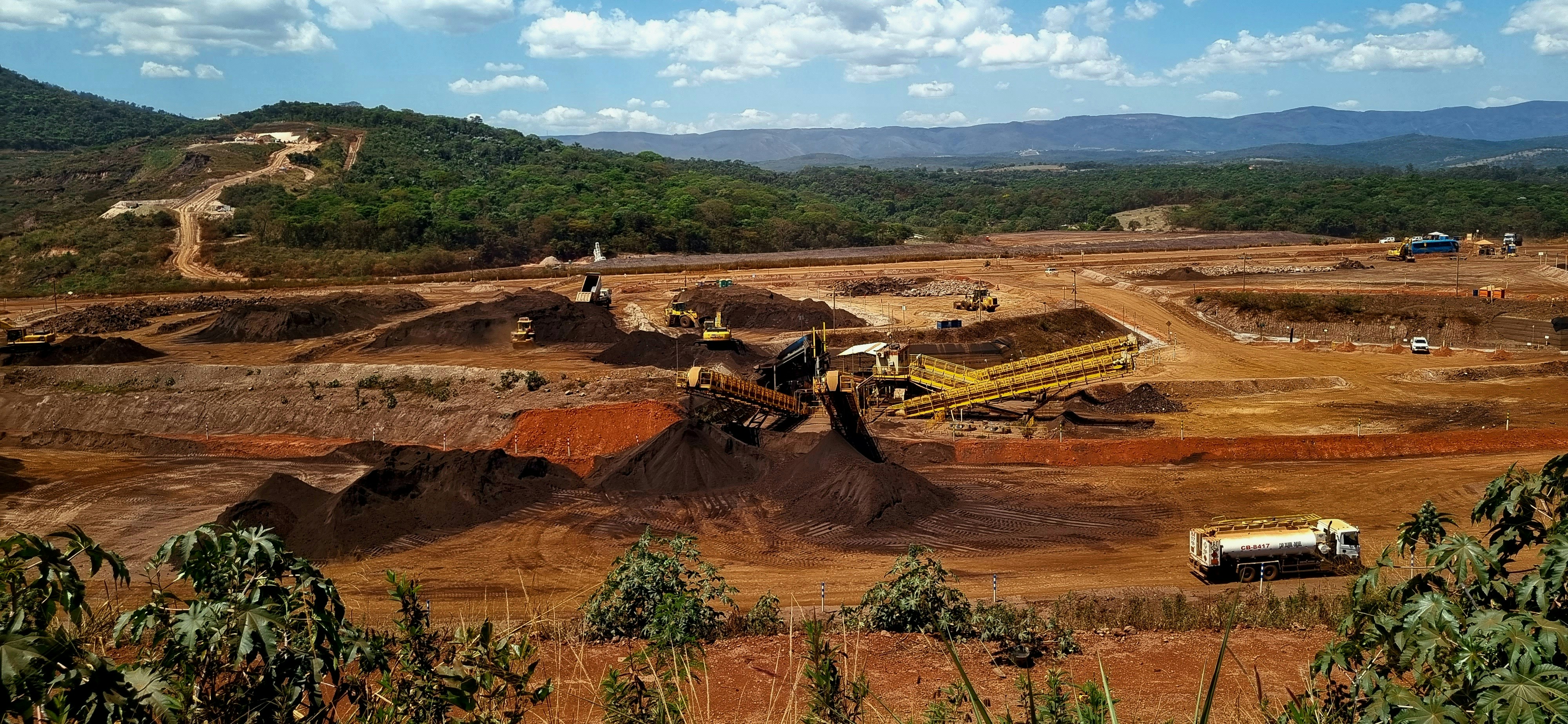
Mosaic has responded by reducing phosphate production at several Brazilian facilities as sulfur availability tightened and production economics deteriorated. The company announced further adjustments in July, including planned production reductions at the Uberaba complex and the Fospar operation.
These measures are intended to be temporary, with production expected to recover when global sulfur supply and pricing conditions normalize.
Brazil's Dependence on Fertilizer Imports
Brazil remains heavily dependent on imported fertilizer to support its large agricultural sector. This dependence makes the country's supply chain particularly sensitive to international commodity prices, freight costs, geopolitical disruptions and exchange-rate movements.
When global fertilizer availability tightens, Brazilian buyers can face higher procurement costs. If farmers are simultaneously dealing with weak crop economics and limited credit, demand can become more difficult to sustain.
Production Cuts Could Tighten Local Availability
The combination of weaker demand and lower domestic production creates a complicated market environment. While reduced demand can limit immediate pressure on fertilizer availability, production cuts can create supply concerns if agricultural demand strengthens later in the year.
Mosaic's Brazilian production adjustments include temporary idling and reduced operating rates at several facilities, while selected operations continue with support from imported sulfur.
The company has stated that the measures are a response to extraordinary market conditions rather than a change in its long-term Brazilian strategy.
Impact on Farmers and Distributors
Brazilian farmers are facing a difficult balance between maintaining nutrient application and controlling production costs. Fertilizer remains essential for major crops such as soybeans, corn and sugarcane, but affordability can determine when and how much fertilizer farmers purchase.
For distributors, the current environment increases the importance of inventory management, financing availability and procurement timing. Buyers may need to monitor international fertilizer prices and raw-material markets closely to manage exposure to sudden cost increases.
Geopolitical Risks Add Uncertainty
Global geopolitical disruptions have added another layer of uncertainty to Brazil's fertilizer supply chain. Disruptions affecting shipping routes and raw-material supply can quickly influence fertilizer production costs and availability.
The current sulfur shortage illustrates this risk. Mosaic has linked its Brazilian production adjustments to reduced global sulfur supply, higher sulfur prices and broader geopolitical disruptions.
Outlook for Brazil's Fertilizer Market
The near-term outlook remains challenging, but conditions could improve if credit availability strengthens, farm profitability recovers and global raw-material supply becomes more stable.
Mosaic expects its phosphate production adjustments to remain temporary and plans to return toward full operating capacity as sulfur supply normalizes.
For the broader Brazilian fertilizer market, the key factors to monitor will be farmer financing, crop prices, fertilizer affordability, sulfur availability, international freight and domestic inventory levels.
Conclusion
Brazil's fertilizer supply chain is navigating a combination of credit constraints, weak farm economics and production challenges. Higher raw-material costs, particularly for sulfur, have forced producers to reduce or temporarily suspend production at selected facilities, while farmers face limited access to financing.
The situation highlights the interconnected nature of Brazil's agricultural supply chain. Any improvement in credit conditions and raw-material availability could support fertilizer demand and production, while continued supply disruptions could keep costs elevated and create additional uncertainty for farmers and distributors.