The EU's Carbon Border Adjustment Mechanism moved from a reporting exercise into a real financial obligation on January 1, 2026. Certificate prices have settled close to €75 per tCO2e through the first half of the year, and the mechanism's scope is already expanding, though not yet into the chemical sector itself. For chemical traders and importers watching from outside the current product list, this is the moment to understand exactly where CBAM stands and where it is headed.
Organic chemicals and polymers remain outside CBAM's scope for now, but they sit on a formal review track that could bring them into the mechanism in the coming years.
What the Definitive Phase Actually Changed
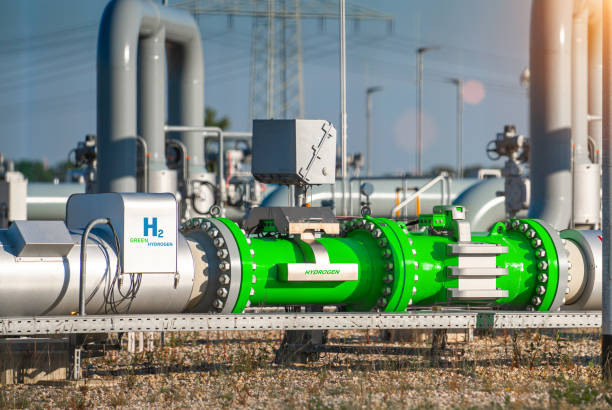
CBAM operated as a reporting only exercise from October 2023 through the end of 2025, requiring importers of covered goods to disclose embedded emissions without paying anything. That changed on January 1, 2026, when the mechanism entered its definitive phase, triggering real financial exposure for imports in six sectors: iron and steel, aluminium, cement, fertilizers, hydrogen and electricity.
Importers now need to be registered as authorised CBAM declarants and must eventually surrender certificates matching the embedded emissions of their imports. A few structural points matter here:
Certificate purchases do not actually begin until February 2027, even though the emissions obligations for 2026 imports are already accruing.
The first annual CBAM declaration and certificate surrender deadline falls on September 30, 2027, covering the full 2026 import year.
A binding 50 tonne annual threshold now exempts smaller importers of CBAM goods from registration and certificate obligations entirely.
Current Certificate Pricing Around €75 per tCO2e
The European Commission published the first official CBAM certificate price on April 7, 2026, setting the Q1 figure at €75.36 per tCO2e. The Q2 price followed in early July at €75.28, showing relative stability across the first half of the year despite underlying EU ETS price volatility.
These prices are calculated as the volume weighted average of EU Emissions Trading System auction prices for the relevant quarter, and they will move to a weekly publication schedule starting in 2027. It is worth noting that in 2026 the actual net cost to importers remains small, since the CBAM factor applied against free EU ETS allocation sits at just 2.5 percent this year, rising steadily through 2034.
The Council's June 2026 Move on Downstream Products
On June 12, 2026, the EU Council agreed its general position to expand CBAM's scope to 180 downstream steel and aluminium intensive products, effective January 1, 2028. This is the most concrete scope expansion development so far this year, though it does not touch the organic chemical or polymer sectors.
The expansion brings roughly 7,500 new importers into scope and follows an emissions accounting approach that attributes CBAM obligations to the embedded steel or aluminium content within finished goods, rather than the full manufacturing emissions of the downstream product itself. The proposal now moves to the European Parliament, which is expected to adopt its position later in 2026 before formal negotiations begin.
Where Organic Chemicals and Polymers Actually Stand
Unlike the steel and aluminium expansion, organic chemicals and polymers remain on a separate and slower moving track. The CBAM regulation requires the European Commission to formally assess extending the mechanism to these sectors as part of its mandated review, given their significant share of industrial emissions under the EU ETS.
A few reasons this track has moved more cautiously than the downstream metals expansion:
Chemical production involves far more complex and varied processes than steel or aluminium, making embedded emissions calculation technically harder to standardize.
Industry groups have raised concerns about circumvention further down complex chemical value chains if only base chemicals are covered initially.
Research assessing the sector has suggested that even a well designed chemicals inclusion could miss a significant share of relevant emissions without careful scope design.
Why This Sector Is Still a Watchlist Item
Despite the slower pace, organic chemicals and polymers are widely viewed as a likely eventual candidate for CBAM inclusion given how large their emissions footprint is within the EU ETS. Industry analysis has estimated that full inclusion of these sectors, along with their downstream value chains, could push CBAM's overall coverage of EU imports up to around 10 percent, compared with roughly 3 percent under the current six sector scope.
For chemical importers, this means treating scope expansion as a matter of when and how rather than if, even though no formal legislative proposal or Council position exists yet for this specific sector.
What Chemical Importers Should Do Now
Even without a confirmed inclusion date, chemical traders and importers can take practical steps to reduce future compliance risk. Waiting for a final rule before starting preparation tends to compress an already demanding data collection process into an unrealistic timeline.
Useful steps to prioritize:
Track the Commission's ongoing Article 30 review process, which is the formal mechanism through which any future chemicals and polymers expansion would first be proposed.
Begin mapping embedded emissions data for key organic chemical and polymer products now, since this data collection process typically takes far longer than companies expect.
Monitor how the downstream steel and aluminium expansion is implemented over the next two years, since its administrative approach will likely shape how any future chemicals expansion is designed.
Ready to source polymers from verified global suppliers? Explore competitive offers on our platform today.