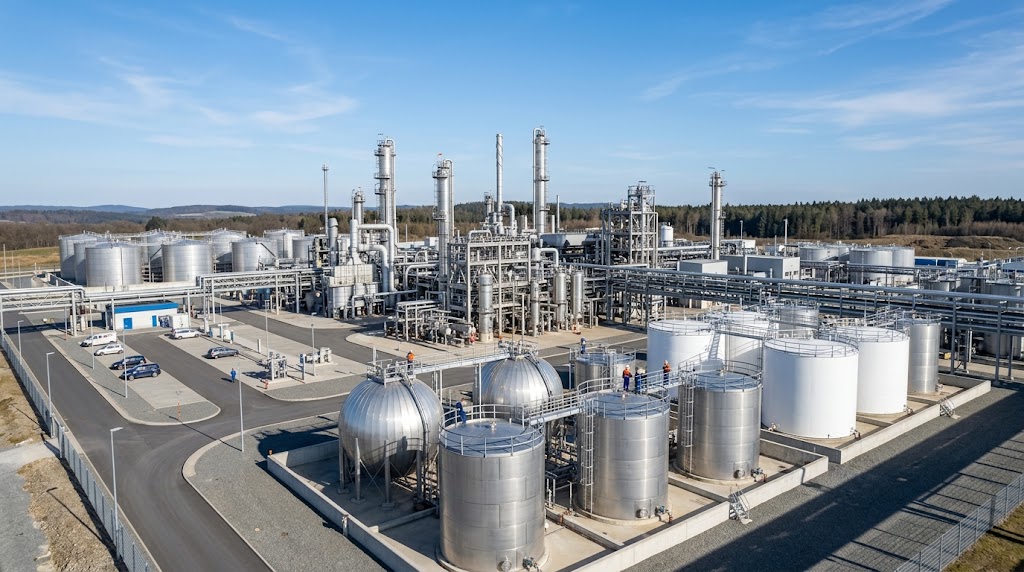
Acetyl Chain and Engineered Materials Outlook
Celanese operates as a leading producer in the acetyl chain, which includes acetic acid, vinyl acetate monomer, and acetic anhydride. These chemicals serve as building blocks for numerous downstream products including adhesives, coatings, textiles, and pharmaceuticals. Strong performance in this segment often reflects healthy demand from construction, packaging, and consumer goods industries.
The company's engineered materials portfolio targets high-growth applications in automotive electrification, renewable energy, and electronics. These products command premium pricing and typically show less cyclicality than commodity chemicals. Celanese's earnings improvement suggests these strategic segments are gaining traction and contributing meaningfully to overall profitability.
For buyers in these value chains, Celanese's financial strength provides supply security assurance. A profitable supplier with strong cash flow can maintain consistent production, invest in quality systems, and weather market volatility better than financially stressed competitors. This stability matters significantly for procurement teams managing long-term supply agreements.
The focus on growth initiatives also indicates Celanese is expanding capabilities in areas like recycled content materials, bio-based chemicals, and low-carbon production processes. Buyers with sustainability targets should engage with suppliers demonstrating these investments, as regulatory requirements and customer expectations continue tightening.
Supply Chain and Production Considerations
Celanese's operational improvements likely involved optimizing production schedules, reducing unplanned downtime, and improving maintenance planning. These efforts increase effective capacity without requiring capital-intensive expansions. For the chemical trading community, understanding these operational dynamics helps anticipate supply availability and potential constraints.
The company operates manufacturing facilities across North America, Europe, and Asia, providing geographic diversification that mitigates regional disruption risks. Strong financial performance enables continued investment in facility reliability and safety systems, which directly impacts supply consistency for customers.
Procurement professionals should note that Celanese's emphasis on commercial execution includes supply chain optimization. This may involve better inventory management, improved logistics coordination, and enhanced customer service capabilities. These operational strengths translate into more reliable delivery performance and responsive account management for buyers.
However, strong earnings and improving demand also mean producers may become less flexible on contract terms as their order books fill. Buyers seeking favorable pricing or volume flexibility should engage suppliers early and demonstrate their value as strategic customers rather than transactional purchasers.
What Procurement Teams Should Do Now
Celanese's Q2 2026 results provide actionable intelligence for chemical buyers developing sourcing strategies for the remainder of 2026 and into 2027. The company's performance suggests the specialty materials market has moved past the inventory correction phase and entered a recovery period characterized by improving demand and stabilizing prices.
Procurement managers should reassess their supplier portfolios in light of these market signals. Companies demonstrating strong operational execution and financial health, like Celanese, may offer better long-term supply security than competitors struggling with profitability challenges. However, this strength may also translate into firmer pricing and less negotiation flexibility.
Consider these strategic actions:
Review contract expiration dates and begin renewal discussions early to lock in terms before potential price increases
Evaluate dual sourcing strategies to balance cost optimization with supply security
Engage suppliers on sustainability initiatives and request transparency on carbon footprint and recycled content offerings
Monitor Celanese's competitor earnings announcements for broader market trend confirmation
Assess inventory positioning to balance working capital efficiency against supply risk in a tightening market
The emphasis on growth initiatives also suggests Celanese and similar producers will prioritize customers in high-growth end markets. Buyers in traditional or declining applications may face less favorable terms and should proactively demonstrate their strategic value to suppliers.
Looking Ahead to 2027
Celanese's achievement of its highest adjusted EPS in nearly three years establishes a new performance baseline that the company will work to maintain and improve. For chemical buyers, this signals a supplier investing in its future rather than merely surviving current market conditions. The focus on commercial execution and growth initiatives suggests continued operational discipline and strategic market positioning.
As 2026 progresses, watch for Celanese to provide guidance on full-year expectations and 2027 outlook. Strong Q2 performance typically gives management confidence to raise forecasts, which further influences market sentiment and pricing expectations across the specialty chemicals sector.
The company's success also validates strategic bets on engineered materials and sustainability-focused products. Buyers should anticipate increased supplier marketing and technical support in these areas as producers compete for share in high-value applications. This creates opportunities for procurement teams to source innovative materials that support their own product differentiation and sustainability goals.
Ready to source acetic acid and engineered polymers from verified global suppliers? Explore competitive offers on our platform today.
Celanese Corporation delivered its strongest quarterly earnings performance in nearly three years during the second quarter of 2026. The specialty materials and chemical company reported net sales reaching $2.8 billion, marking an impressive 18% sequential increase from the previous quarter. CEO Scott Richardson attributed this achievement to disciplined commercial execution and strategic growth initiatives that are reshaping the company's market position.
This earnings milestone signals a significant turnaround for one of the chemical industry's major players. For procurement managers and chemical traders monitoring the specialty materials sector, Celanese's performance offers critical insights into market recovery patterns and pricing dynamics that affect downstream buyers across multiple industries.
Celanese's second quarter results demonstrate a company regaining momentum after facing headwinds in previous periods. The $2.8 billion in net sales represents more than just revenue growth. It reflects improved operational efficiency, better capacity utilization, and stronger demand across key end markets including automotive, consumer goods, and industrial applications.
The sequential growth of 18% indicates accelerating business activity rather than year-over-year comparisons that might mask quarterly trends. This pattern suggests Celanese successfully navigated inventory corrections that plagued the chemical sector in 2024 and early 2025. The company's ability to achieve its highest adjusted earnings per share in three years demonstrates effective cost management alongside revenue expansion.
Adjusted EPS serves as a critical metric for investors and industry analysts because it removes one-time charges and provides a clearer picture of operational profitability. When a company like Celanese posts its best adjusted EPS performance in three years, it signals fundamental business improvement rather than temporary market conditions.
Growth Drivers Behind the Strong Results
Scott Richardson's emphasis on commercial execution points to specific strategic initiatives that propelled Celanese's Q2 performance. The company has invested heavily in operational excellence programs designed to optimize production schedules, reduce downtime, and improve yield rates across its manufacturing facilities.
Growth initiatives likely include capacity expansions in high-margin product lines, particularly in engineered materials and acetyl products. Celanese has been positioning itself to capture demand in electric vehicle components, sustainable packaging materials, and specialty polymers used in electronics manufacturing. These segments have shown resilience even when broader chemical markets face pressure.
The company's commercial team has also focused on pricing discipline and customer mix optimization. Rather than chasing volume at any price, Celanese appears to have prioritized profitable growth through better contract terms and value-based pricing strategies. This approach resonates with procurement professionals who increasingly seek reliable suppliers with transparent pricing structures.
Key factors contributing to the earnings improvement include:
Improved capacity utilization rates across major production facilities
Strategic pricing actions that protected margins despite competitive pressures
Cost reduction programs that streamlined operations without compromising quality
Strong demand from automotive and consumer durables sectors
Successful integration of recent operational improvements and technology upgrades
Market Implications for Chemical Buyers
Celanese's strong Q2 2026 performance carries important signals for chemical traders and procurement teams monitoring the specialty materials market. When a major producer reports accelerating sales and improving profitability, it often indicates broader market recovery that affects pricing and availability across related product categories.
The 18% sequential sales increase suggests demand fundamentals are strengthening. For buyers of acetyl products, engineered polymers, and specialty chemicals, this may signal a shift from the buyer's market conditions that characterized 2024. Suppliers gaining pricing power and reporting strong earnings often precede broader industry price increases.
Procurement managers should watch for several potential market developments. First, Celanese's success may encourage competitors to announce similar operational improvements or pricing adjustments. Second, strong earnings could support capital investment announcements that affect long-term supply dynamics. Third, improved profitability gives producers more flexibility to invest in sustainability initiatives and product innovation that buyers increasingly demand.
The company's focus on commercial execution also sets a benchmark for supplier performance. Buyers evaluating their supplier base should consider which partners demonstrate similar discipline in operational management and strategic growth planning.