Chemical Pricing Transparency Challenges
Introduction
Pricing transparency has become an increasingly important topic in the global chemical industry. As procurement teams, manufacturers, distributors, and traders strive to make data-driven decisions, access to accurate and transparent pricing information remains a significant challenge. Unlike publicly traded commodities such as crude oil or natural gas, many chemical products are traded through private negotiations, making it difficult for market participants to determine fair market value.
Limited visibility into pricing structures can create uncertainty, increase procurement risks, and reduce market efficiency. As global supply chains become more complex and volatile, improving pricing transparency is becoming a critical priority for businesses operating in chemical markets.
What Is Pricing Transparency?
Pricing transparency refers to the availability, accessibility, and clarity of information related to product pricing. In a transparent market, buyers and sellers can easily access reliable pricing data, understand market trends, and evaluate whether transaction prices accurately reflect current market conditions.
In the chemical industry, transparency involves:
Access to current market prices.
Visibility into price trends and historical data.
Understanding of cost drivers.
Awareness of supply-demand conditions.
Clear pricing methodologies.
Greater transparency helps market participants make informed purchasing, sales, and investment decisions.
Why Chemical Markets Face Transparency Challenges
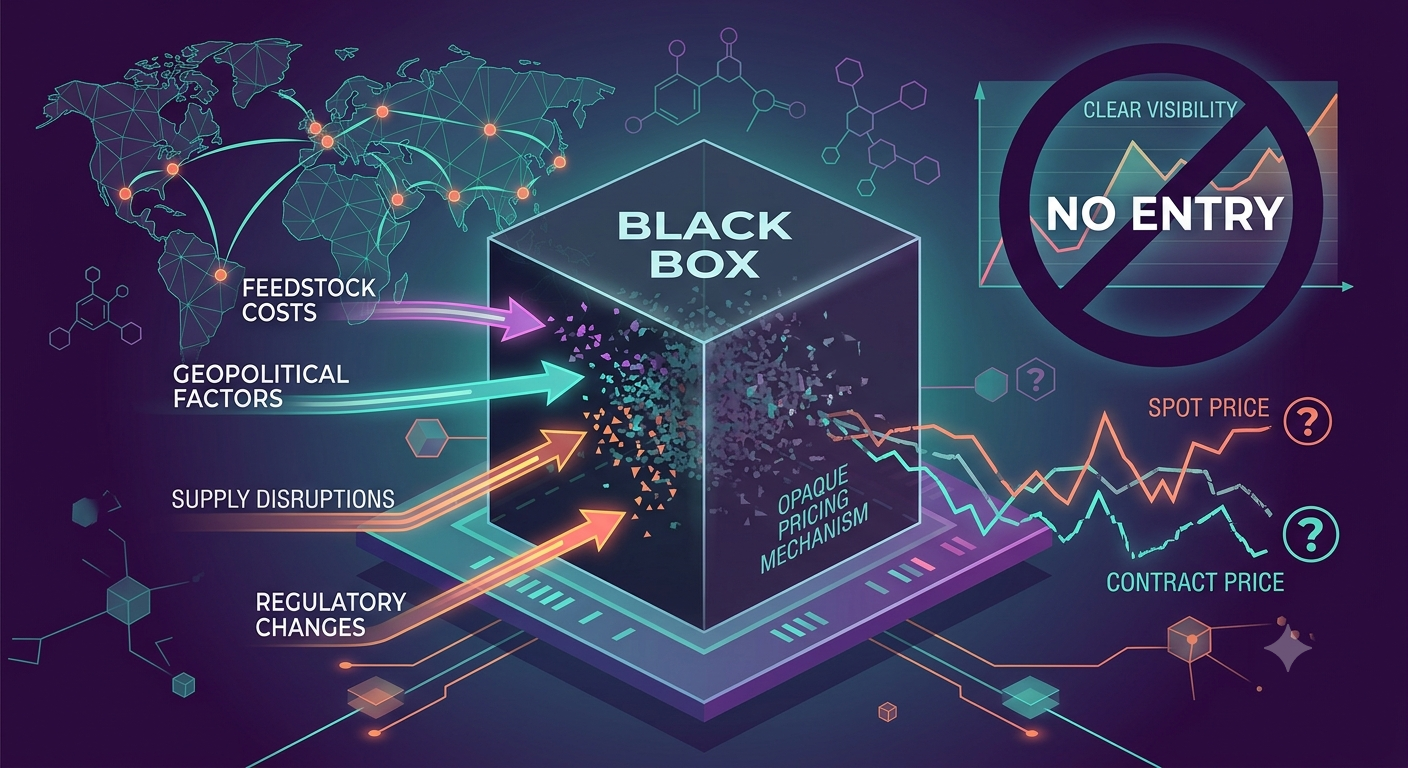
Unlike financial markets, chemical markets often lack centralized exchanges where prices are publicly available. Most transactions occur through direct negotiations between suppliers and buyers, resulting in limited public visibility.
Several factors contribute to this challenge.
Diverse Product Portfolio
The chemical industry produces thousands of products with varying grades, specifications, purity levels, packaging formats, and application requirements.
Even products with similar chemical compositions may be sold at different prices depending on quality standards, delivery conditions, and customer requirements.
This diversity makes standard pricing benchmarks difficult to establish.
Confidential Contracts
Many chemical transactions are governed by long-term contracts that contain confidential pricing agreements.
Suppliers and buyers often negotiate customized pricing structures based on:
Purchase volume.
Contract duration.
Geographic location.
Logistics arrangements.
Strategic partnerships.
Because these agreements are private, market participants may have limited insight into actual transaction prices.
Regional Market Differences
Chemical prices can vary significantly across regions due to differences in:
Feedstock costs.
Energy prices.
Freight expenses.
Regulatory requirements.
Supply-demand balances.
A chemical product may trade at substantially different prices in Asia, Europe, North America, or the Middle East, making global price comparisons challenging.
Limited Public Data Availability
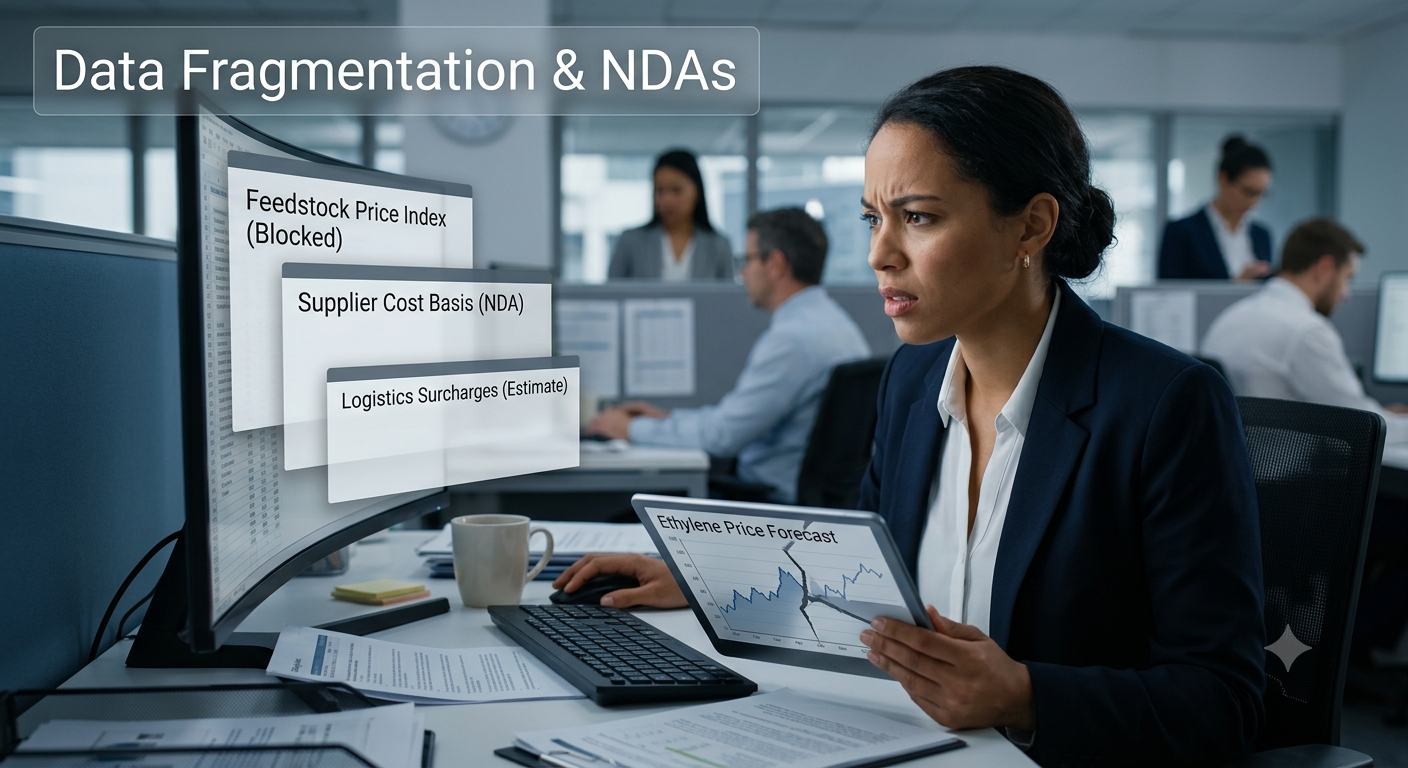
Many specialty and industrial chemicals lack publicly available pricing information. Unlike metals or energy commodities, real-time transaction data is often unavailable, forcing buyers and sellers to rely on market reports, surveys, and industry intelligence.
This limited visibility can create information asymmetry between market participants.
Key Challenges Created by Limited Pricing Transparency
Difficulty in Procurement Decision-Making
Without reliable pricing benchmarks, procurement teams may struggle to determine whether supplier quotations are competitive.
This uncertainty can lead to higher purchasing costs and reduced negotiation leverage.
Increased Market Volatility
When pricing information is scarce, market participants may react more aggressively to rumors, supply disruptions, or unexpected market developments.
This can amplify price fluctuations and increase uncertainty throughout the supply chain.
Reduced Negotiation Efficiency
Buyers and sellers often spend significant time gathering market intelligence before negotiating contracts.
A lack of transparency can prolong negotiations and increase transaction costs.
Budgeting and Forecasting Challenges
Organizations rely on accurate pricing information for budgeting and financial planning.
Limited visibility into market pricing makes it more difficult to forecast procurement costs and evaluate future risks.
Competitive Disadvantages
Companies with access to superior market intelligence may gain significant advantages over competitors that lack reliable pricing data.
This imbalance can create inefficiencies across the market.
Factors Influencing Chemical Prices
Understanding the drivers behind chemical pricing can help organizations navigate transparency challenges.
Feedstock Costs
Raw materials such as crude oil, natural gas, naphtha, and ethane directly influence production costs and product pricing.
Supply and Demand Conditions
Changes in production capacity, plant operating rates, and end-user demand significantly impact market prices.
Freight and Logistics Expenses
Transportation costs, fuel prices, port congestion, and shipping disruptions affect landed costs and regional pricing differences.
Energy Costs
Electricity and fuel expenses play a major role in chemical manufacturing economics.
Regulatory Compliance
Environmental regulations, safety standards, and sustainability requirements can increase production costs and influence pricing structures.
How Technology Is Improving Pricing Transparency
Digital transformation is helping address many traditional transparency challenges within chemical markets.
Market Intelligence Platforms
Modern pricing platforms provide:
These solutions help businesses make more informed procurement decisions.
Data Analytics and Artificial Intelligence
Advanced analytics tools can process large volumes of market information to identify pricing trends, predict market movements, and improve decision-making accuracy.
Digital Procurement Systems
Online procurement platforms increase visibility into supplier pricing, contract performance, and market benchmarks, creating greater transparency throughout the purchasing process.
Best Practices for Managing Pricing Transparency Challenges
Organizations can improve pricing visibility and reduce procurement risks by:
Monitoring multiple market intelligence sources.
Tracking feedstock and energy price movements.
Comparing supplier quotations regularly.
Using benchmark pricing where available.
Leveraging digital procurement tools.
Building strong supplier relationships.
Conducting regular market analysis.
A proactive approach to market intelligence can significantly improve purchasing outcomes.
The Future of Chemical Pricing Transparency
As digital technologies continue to evolve, transparency within chemical markets is expected to improve. Artificial intelligence, predictive analytics, blockchain technology, and real-time market intelligence platforms are creating new opportunities for data sharing and pricing visibility.
Companies that embrace these technologies will be better positioned to understand market dynamics, negotiate effectively, and respond quickly to changing conditions.
Greater transparency will not eliminate market volatility, but it can help businesses make more informed decisions and manage risk more effectively.
Conclusion
Pricing transparency remains one of the most significant challenges in the chemical industry. Factors such as confidential contracts, regional market differences, limited public data, and complex product specifications often make it difficult to determine fair market value.
However, advances in technology, market intelligence platforms, and data analytics are gradually improving visibility across chemical supply chains. By investing in reliable market information and adopting data-driven procurement strategies, organizations can overcome transparency challenges, reduce risk, and gain a competitive advantage in an increasingly complex global market.