Why Chemical Prices Matter
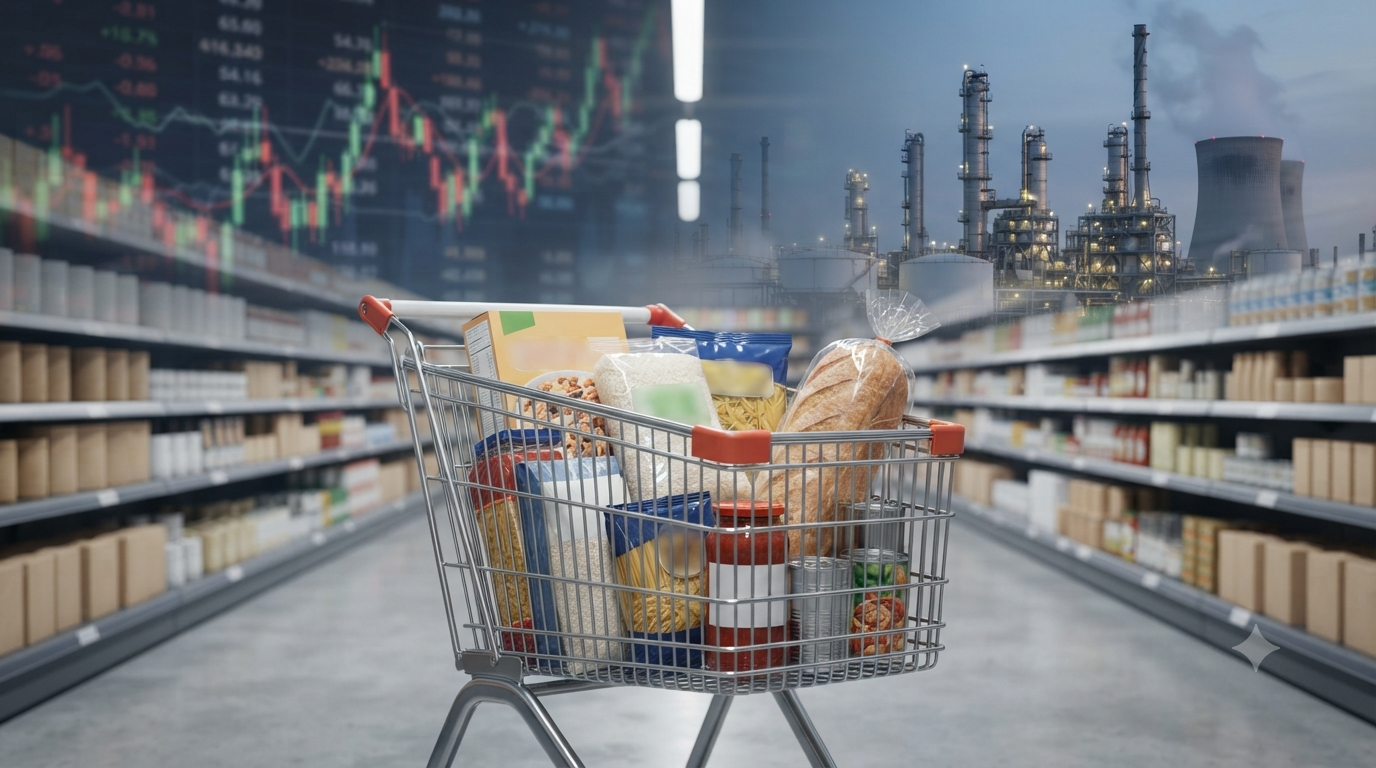
Chemical companies produce the raw materials that drive the packaging, flavoring, and preservation industries. When their cost structures shift, the ripple effect reaches every aisle in a grocery store—from cereal boxes to fresh produce bags. Recent hikes in commodity prices have pushed some chemical producers to raise rates, creating a potential cost burden for food manufacturers.
What Q2 Earnings Reveal
Key Metrics to Watch
Analysts often look at gross margin expansion Extension, earnings per share (EPS) growth, and free cash flow (FCF) to assess a company's pricing power. In the second quarter, companies that raised prices without sacrificing overstated volume can signal sustained demand. Conversely, a sharp decline in margins may indicate that pricing gains were a one‑time correction.
Market Signals from Earnings Calls
During earnings calls, management comments regarding supply chain constraints, inventory turns, and future contracts provide early clues. Phrases that reference “locked‑in pricing” or “long‑term agreements” suggest a more durable advantage, while remarks about “temporary volatility” hint at a reversal.
Implications for Packaged Food Costs
The direct link between chemical pricing and packaged food is clear: higher input costs translate to higher production expenses. If chemical firms maintain their gains, food manufacturers may pass on those costs to consumers. This could manifest as a modest uptick in the price of processed meats, snack foods, and ready‑to‑eat meals.
Potential Cost Transmission Pathways
Ingredient cost increases (e.g., flavorings, preservatives)
Packaging material price hikes (e.g., PET bottles, flexible pouches)
Supply‑chain logistics adjustments due to higher freight costs
Potential Grocery Shelf Effects
The grocery sector is highly price‑sensitive, especially during seasonal peaks in H2 2026. Retailers will monitor cost inputs closely to determine if they can absorb increased prices or must adjust shelf prices. Consumer demand elasticity will play a critical role: staples may see minimal price changes, while premium and convenience items could experience noticeable hikes.
Scenario Analysis
Stabilized Gains – Chemical firms maintain higher prices, leading to a 2-3% rise in packaged food costs and a similar increase in shelf prices.
Temporary Spike – Chemical prices peak in Q2 but rebound, resulting in a brief 1% cost bump that retailers quickly absorb.
Market Correction – Overextension causes chemical firms to lower prices, enabling food manufacturers to reduce costs and potentially lower shelf prices.
Analyst Predictions and Retail Strategies
Leading market research firms forecast a moderate upward trend in chemical prices if supply constraints persist. Retailers in the United States and Europe are already diversifying suppliers and renegotiating contracts to hedge against volatility. Consumer-facing price adjustments will likely be phased, with promotional tactics used to mitigate perceived price increases.
Conclusion
Q2 chemical earnings will serve as a barometer for the broader economic environment heading into H2 2026. Whether the recent pricing gains prove temporary or sustained will shape packaged food costs and, ultimately, the price shoppers pay on grocery shelves. By monitoring earnings metrics, analysts, retailers, and consumers can better anticipate and navigate the coming price landscape.