China's Battery Sector Posts Its Strongest Growth in Months
terminal
prodchem
Jul 23, 2026
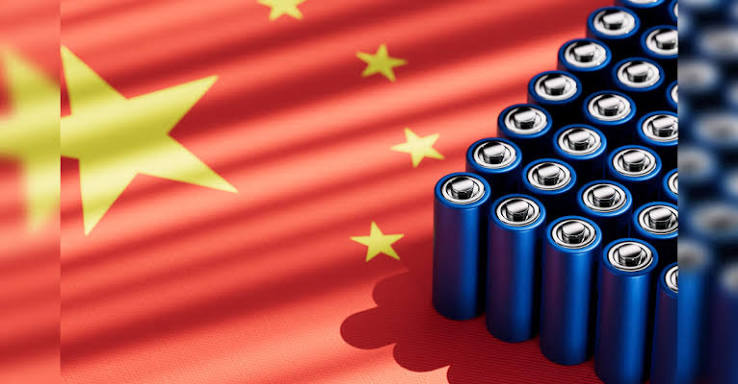
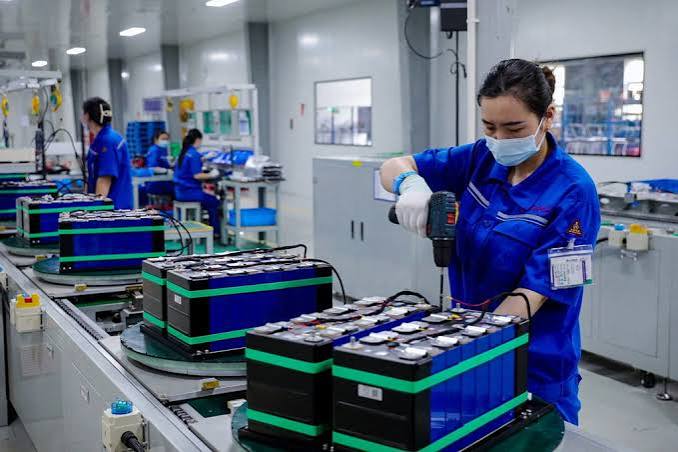
China's battery industry recorded one of its strongest performances in recent months, with power and energy storage battery sales rising 49.1% year-on-year to 196.0 gigawatt-hours (GWh) in June. The sharp increase reflects robust demand from both the electric vehicle (EV) market and the rapidly expanding energy storage sector, reinforcing China's position as the world's leading battery manufacturing hub.
For chemical producers, battery material suppliers, and procurement professionals, the surge highlights continued growth in demand for battery-related chemicals, specialty materials, and manufacturing inputs. As global electrification accelerates, the battery supply chain is expected to remain a key driver of chemical industry investment and innovation.
Why the Growth Matters
China's battery industry supports a wide range of downstream industries, including electric vehicles, renewable energy, consumer electronics, and grid-scale energy storage.
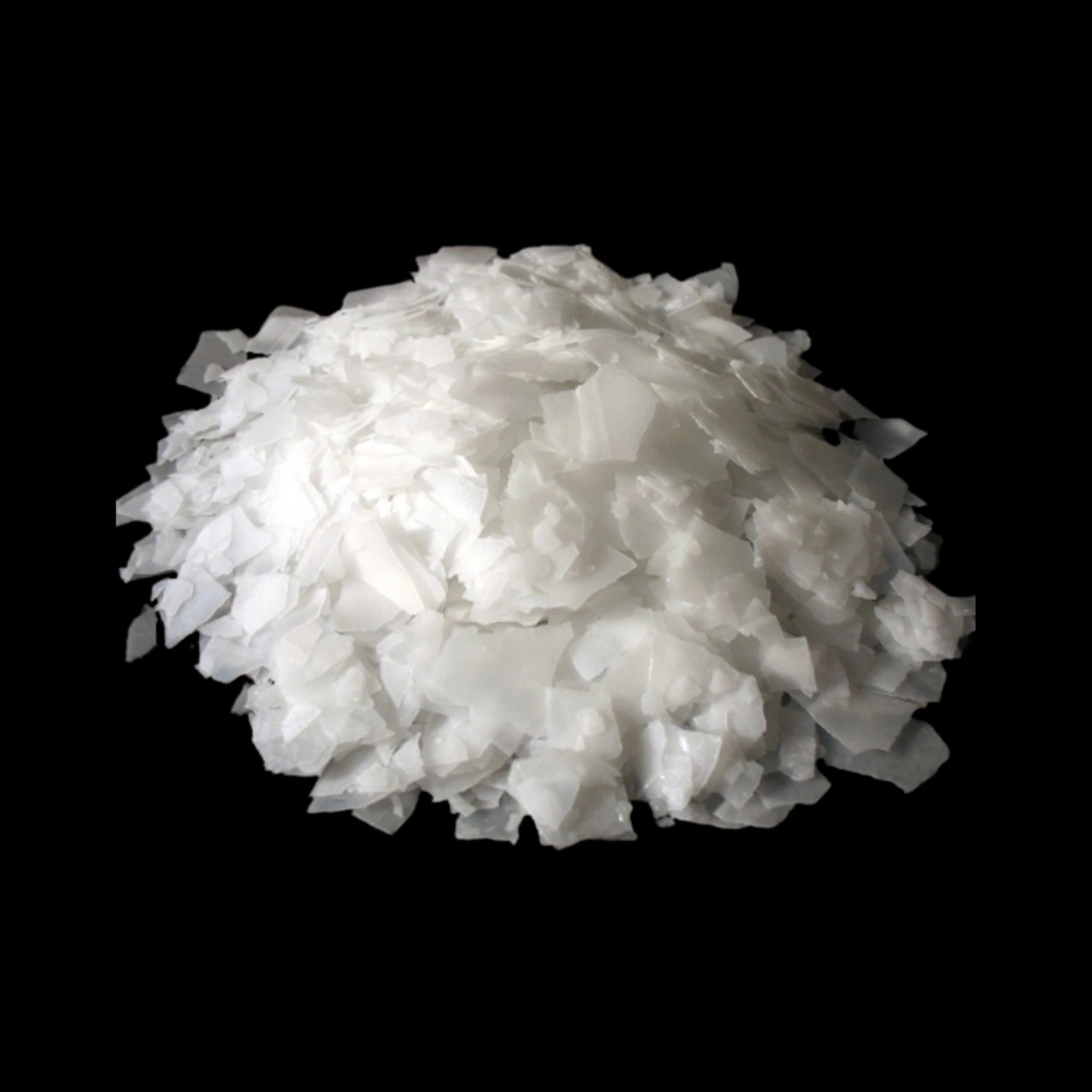
Key chemicals and materials supporting battery manufacturing include:
Growing battery production is expected to increase demand for both battery materials and supporting industrial chemicals.
Market Implications
The continued expansion of China's battery sector may lead to:
Higher demand for battery-grade chemicals
Increased investment in battery manufacturing capacity
Greater competition for critical raw materials
Continued growth in energy storage projects
Expansion of global EV supply chains
Increased demand for specialty chemical processing
The battery industry's growth is likely to support investment across the broader chemical manufacturing ecosystem.
Procurement Considerations
Procurement teams supporting battery manufacturing should focus on:
Securing long-term supply agreements
Diversifying sources of battery materials
Monitoring demand for specialty chemicals
Evaluating regional manufacturing capacity
Tracking developments in battery technologies
Strengthening supply chain resilience
Early supplier engagement can help manage growing competition for key raw materials.
Looking Ahead
China's strong battery sales reinforce expectations that energy storage and electric mobility will remain major growth drivers for the global chemical industry. While demand for lithium-ion batteries continues to expand, ongoing investment in alternative battery technologies and production capacity will further increase the need for reliable supplies of industrial and specialty chemicals.
For procurement professionals, maintaining diversified supplier networks and monitoring battery market trends will be essential to ensuring long-term supply security.
Key Takeaways
China's battery sales increased 49.1% year-on-year to 196.0 GWh in June.
Strong demand from EVs and energy storage continues to drive battery production.
Battery manufacturing is increasing demand for specialty chemicals and industrial materials.
Procurement teams should strengthen supplier relationships and diversify sourcing.
Continued investment in battery technologies is expected to support long-term chemical demand.
B2B chemical procurementOleochemicalsSupply chainIndustrial ChemicalsEnergyEnergy CostChina Chemical MarketChina Chemical Industrymanufacturingcaustic soda flakeChina Export MarketChinaChina Chemical ExportsCaustic SodaRenewable EnergyBatteryLithium MiningLithium-Ion BatteryBattery IndustryBattery MaterialBattery Supply ChainGlobal Lithium Supply Chainbattery-chemicalsChina Chemical ExporChina Chemical ExportBattery ChemicalChina Agrochemical Exportscountry watchSoda AshTradeChemElectric Vehicles