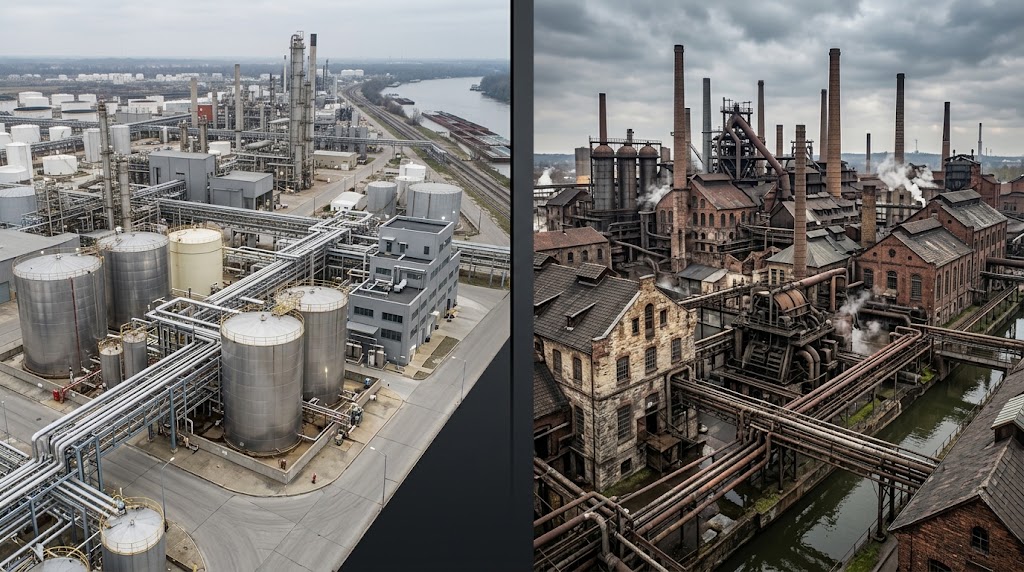
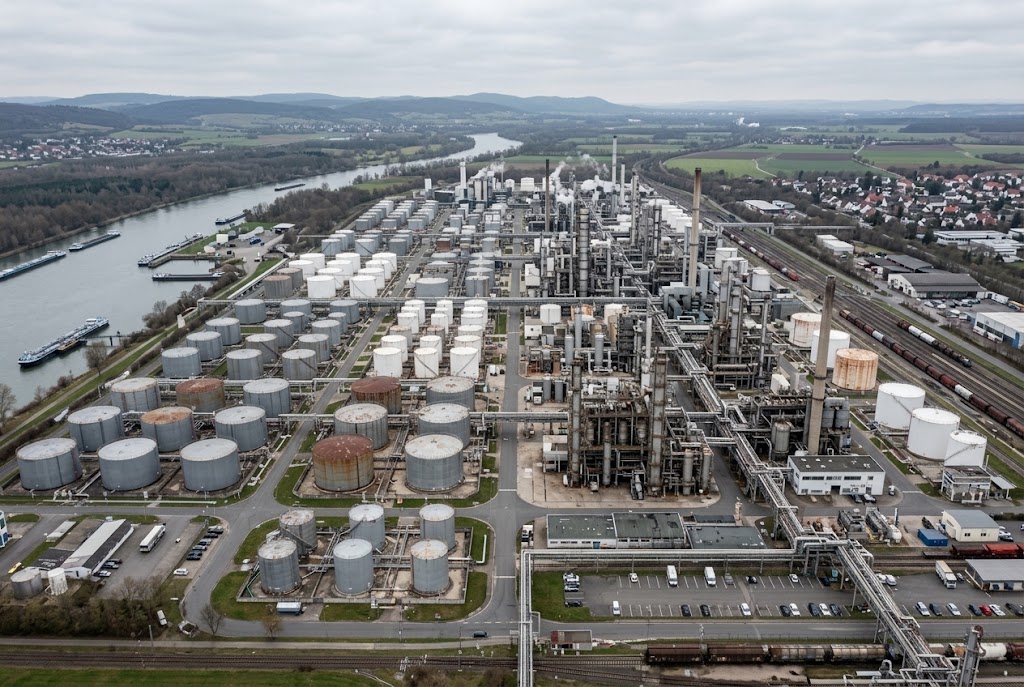
The sharp rise in Chinese chemical exports to Europe adds a fresh competitive headwind to a German chemical sector already grappling with high energy costs and weak demand. This dual pressure creates a complex environment for global chemical traders and procurement managers. German manufacturers have long been the backbone of European chemical supply chains. Now they face an existential challenge from low-cost Asian imports while managing domestic structural issues. Buyers must understand these market dynamics to make informed sourcing decisions. The convergence of these factors signals a potential long-term shift in global chemical trade flows. Procurement teams can no longer rely on historical supplier stability without reassessment. Strategic agility is essential to navigate this evolving landscape.
The Surge of Chinese Chemical Exports
Chinese chemical producers have significantly increased their export volumes to European markets. This surge is driven by massive capacity expansions and softer domestic demand in Asia. Producers are looking abroad to absorb excess output and maintain operational rates.
Price competitiveness remains the primary driver as Chinese firms leverage integrated production complexes.
Logistical improvements have reduced transit times and freight costs for bulk chemical shipments.
Quality consistency has improved markedly allowing Chinese suppliers to meet stringent European standards.
This influx of supply offers European buyers attractive pricing options. However it also disrupts established regional supply chains. Local producers struggle to match these prices due to higher operational costs. The result is a market where price volatility increases and supplier loyalty decreases. Procurement managers must balance immediate cost savings against long-term supply security. Relying solely on low-cost imports introduces new risks related to geopolitical tensions and trade policy changes.
Structural Challenges Facing German Producers
German chemical companies operate in an increasingly difficult domestic environment. High energy costs remain a persistent burden following the shift away from Russian natural gas. Energy-intensive processes such as ammonia and ethylene production face severe margin pressure.
Weak demand from key downstream sectors like automotive and construction further exacerbates the problem. Industrial output in Germany has stagnated reducing the need for basic chemical intermediates. This lack of local demand forces producers to compete more aggressively in export markets.
Regulatory burdens under EU environmental directives add compliance costs that Asian competitors do not face.
Labor shortages limit the ability of plants to optimize operations and expand capacity.
Infrastructure constraints hinder the rapid adoption of renewable energy sources needed for decarbonization.
These structural issues make it difficult for German firms to invest in new capacity. Instead many are focusing on cost reduction and portfolio optimization. Some are even considering relocating production to regions with lower energy costs. This trend threatens the long-term viability of certain chemical segments in Europe.
Impact on Global Supply Chain Strategies
The combination of rising Chinese exports and German contraction forces buyers to rethink their supply chain strategies. Diversification becomes critical to mitigate risk. Relying on a single geographic region exposes companies to localized disruptions.
Procurement teams are increasingly adopting a China-plus-one or Europe-plus-one strategy. This approach maintains relationships with traditional European suppliers while adding Asian alternatives. It provides flexibility to shift volumes based on price and availability.
Total landed cost analysis is essential when comparing Chinese and European offers. Freight insurance and duties can erode initial price advantages.
Lead time variability from Asia requires larger safety stocks tying up working capital.
Quality assurance protocols must be rigorous to ensure consistency across different suppliers.
Buyers must also consider the carbon footprint of their supply chains. Sourcing from Asia increases transportation emissions which may conflict with corporate sustainability goals. European producers often offer lower Scope 3 emissions due to proximity. This environmental factor is becoming a key decision criterion for many multinational corporations.
Navigating Trade Policy and Regulatory Risks
The European Union is closely monitoring the surge in Chinese chemical imports. Trade defense instruments such as anti-dumping duties may be deployed to protect domestic industries. Recent investigations into specific chemical products signal a tougher stance on unfair trade practices.
Procurement managers must stay informed about potential tariff changes. Sudden imposition of duties can drastically alter the cost structure of imported chemicals. Contracts should include clauses that address responsibility for unexpected trade barriers.
Rules of origin verification is crucial to ensure eligibility for preferential trade agreements.
REACH compliance remains mandatory for all chemicals sold in the EU regardless of origin.
Supply chain due diligence laws require transparency regarding upstream sourcing practices.
Engaging with industry associations helps buyers anticipate regulatory shifts. Collective advocacy can influence policy outcomes that affect sourcing costs. Proactive compliance management prevents costly delays at customs borders.
Opportunities in Specialty and Sustainable Chemicals
Despite the pressure on basic chemicals opportunities exist in specialty segments. German producers retain strong expertise in high-value additives pharmaceutical intermediates and performance materials. These products are less sensitive to price competition from China.
Sustainability-driven innovations also offer a competitive edge. Bio-based chemicals and circular economy solutions are gaining traction in Europe. German companies are leading in these areas due to strong R&D capabilities and regulatory support.
Biodegradable polymers and green solvents command premium prices in eco-conscious markets.
Custom synthesis services provide value that pure commodity producers cannot match.
Technical support and joint development partnerships strengthen customer relationships.
Buyers seeking innovation and sustainability should prioritize suppliers with strong R&D pipelines. These partnerships drive long-term value beyond simple transactional pricing. Supporting local innovation helps maintain a robust European chemical ecosystem.
What Buyers Should Do Now
Procurement teams must act decisively to navigate this complex market environment. Start by conducting a thorough risk assessment of your current supply base. Identify vulnerabilities related to geographic concentration and single-source dependencies.
Engage in open dialogue with both German and Chinese suppliers. Understand their strategic plans and investment priorities. This insight helps predict future availability and pricing trends.
Negotiate flexible contracts that allow for volume adjustments based on market conditions.
Invest in supplier development to improve quality and reliability across your network.
Monitor trade policies closely to anticipate regulatory changes affecting imports.
Diversify your sourcing portfolio to include both regional and global options. Balance cost efficiency with supply security and sustainability goals. Build resilience through strong relationships and transparent communication. The chemical market is evolving rapidly and only agile buyers will thrive.
Ready to source chemicals from verified global suppliers? Explore competitive offers on our platform today.