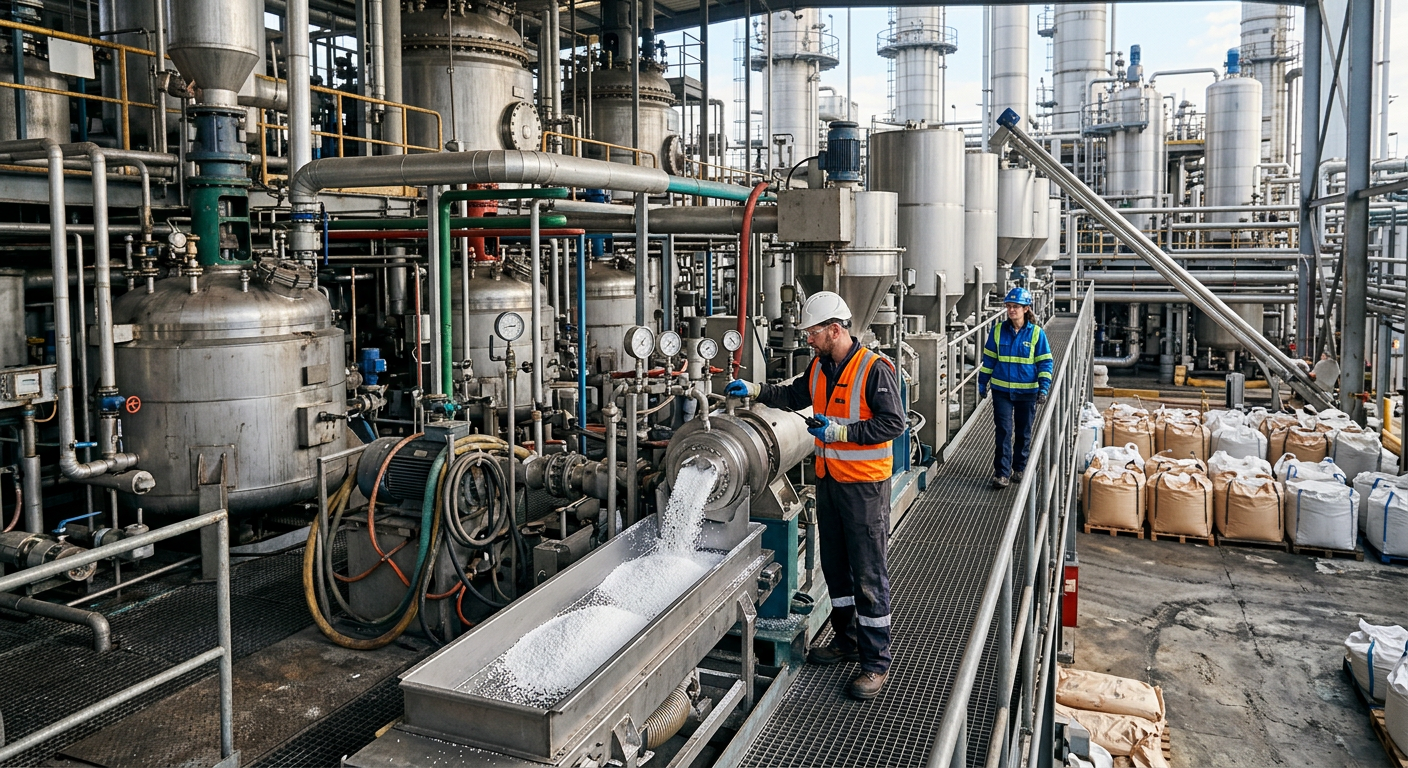
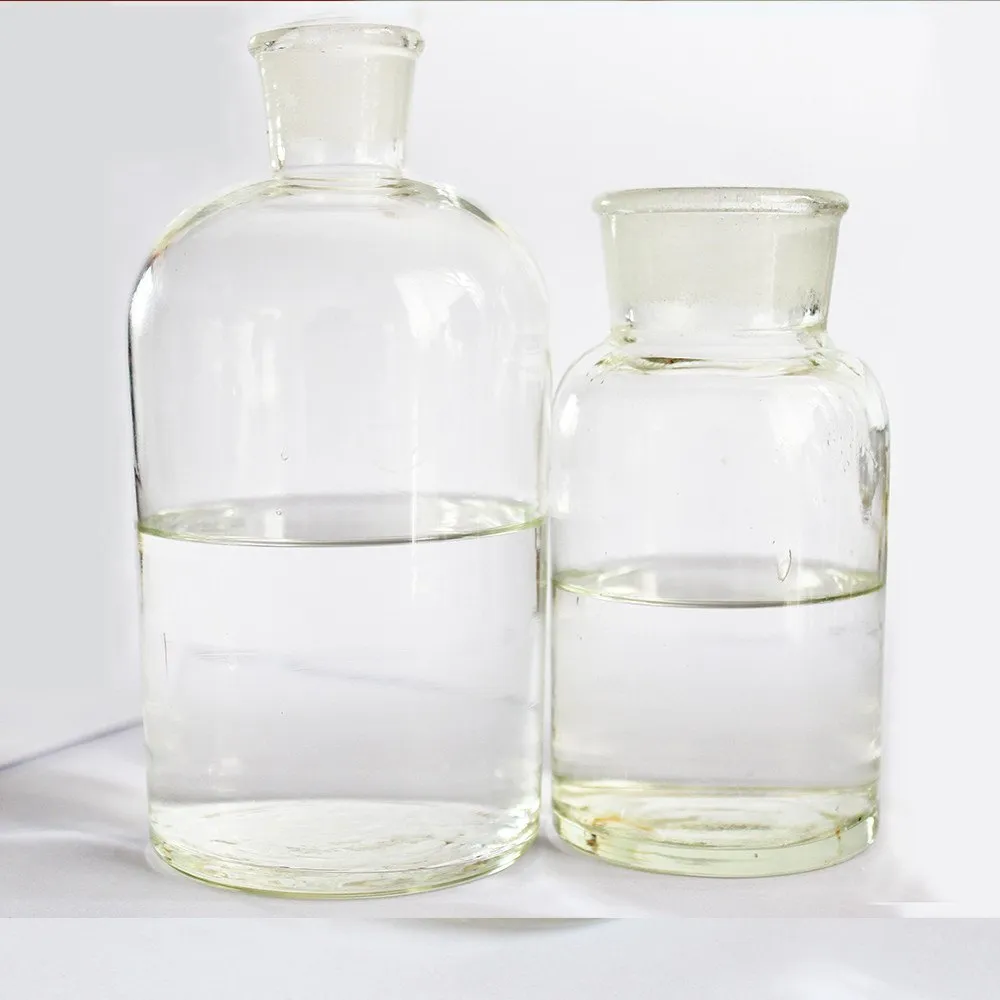
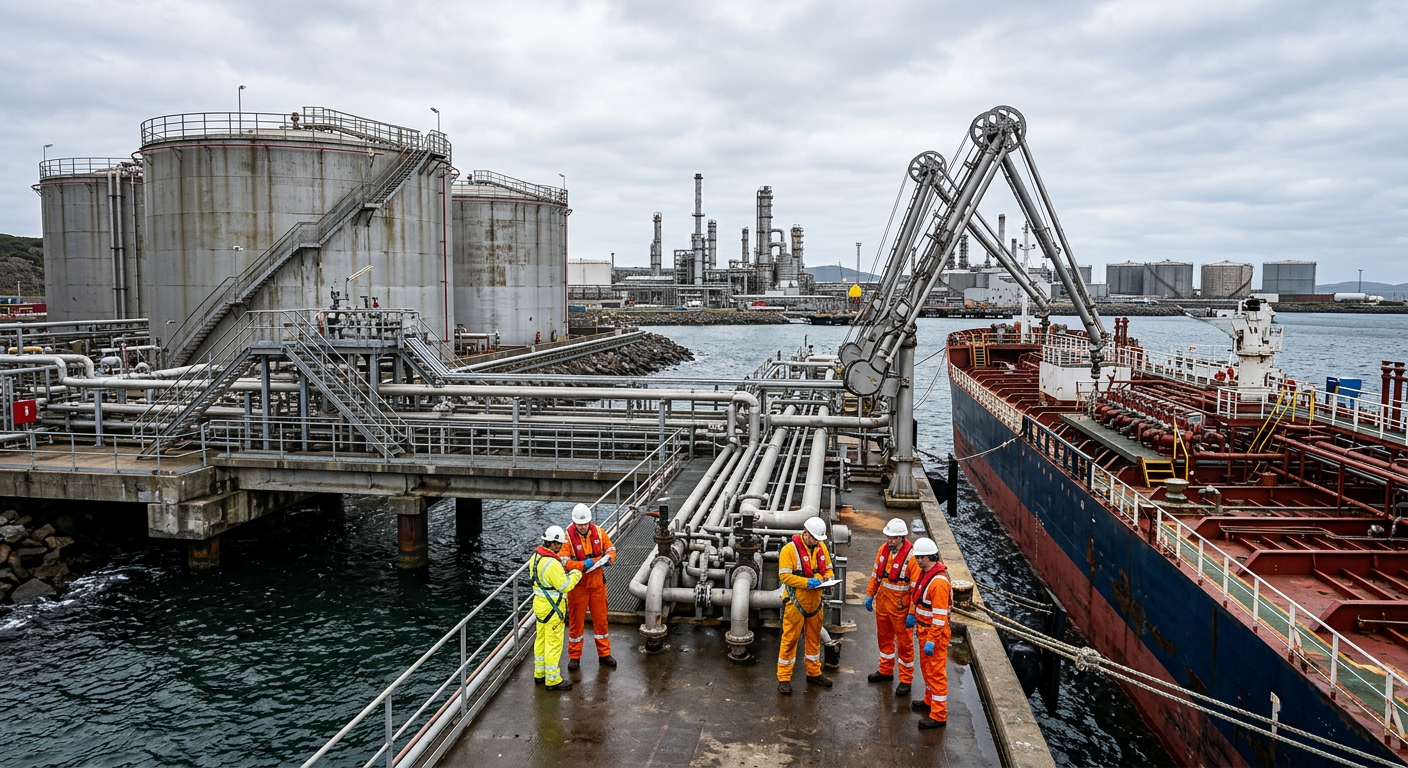
Carbon capture is no longer viewed only as a way to reduce industrial emissions. Across the chemical industry, carbon capture and utilization (CCU) is increasingly being developed as a feedstock strategy that transforms captured carbon dioxide into valuable chemical products. Among the most promising applications are methanol and olefins, where captured CO₂ can partially replace fossil-derived carbon in manufacturing.
For procurement managers, importers and industrial buyers, this shift creates new sourcing options but also introduces new commercial considerations. While CCU technologies continue to scale, production economics remain the deciding factor for widespread market adoption.
What Is Carbon Capture and Utilization?
Carbon capture and utilization involves collecting carbon dioxide from industrial facilities or other sources and using it as a raw material instead of treating it solely as waste.
Rather than storing captured carbon underground, CCU technologies convert it into products that can enter commercial supply chains.
In the chemical industry, important applications include:
Methanol production using captured carbon dioxide and hydrogen.
Olefins produced through methanol-based processing routes.
Chemical intermediates used in plastics and specialty materials.
Synthetic fuels and renewable feedstocks.
These pathways support lower-carbon production while creating additional value from captured emissions.
Why Methanol Is Central to the CCU Opportunity
Methanol has emerged as one of the most commercially attractive products for carbon utilization.
Captured carbon dioxide can react with hydrogen to produce methanol that serves as both a chemical feedstock and an alternative fuel. This production pathway supports demand from industries seeking lower-carbon raw materials without fundamentally changing downstream manufacturing processes.
Because methanol already plays an important role across numerous chemical value chains, growing production capacity could expand CCU adoption over time.
The Economics Still Shape Commercial Adoption
Although the technology continues to advance, production costs remain the largest barrier.
Using recent market pricing as a reference:
Bio-methanol generally costs around $250 to $1,000 per tonne.
E-methanol, which typically combines captured carbon dioxide with green hydrogen, generally costs around $2,000 to $2,400 per tonne.
This substantial difference explains why widespread adoption remains concentrated in sectors where regulations or customer demand justify higher costs.
For many industrial buyers, conventional methanol still offers the most economical option, while renewable alternatives are primarily selected to meet decarbonization objectives or regulatory requirements.
How CCU Supports Olefins Production
Methanol produced from captured carbon dioxide can also become an important building block for olefins.
Through established conversion technologies, methanol can be processed into products such as ethylene and propylene, both of which serve as essential feedstocks for plastics, packaging, coatings and numerous industrial materials.
This creates an indirect pathway where captured carbon contributes to lower-carbon chemical production across multiple downstream industries.
Why Buyers Are Paying Closer Attention
CCU is becoming relevant for procurement teams because it combines environmental objectives with long-term feedstock diversification.
Companies evaluating future sourcing strategies increasingly consider whether carbon-derived chemicals can reduce dependence on traditional fossil feedstocks while supporting corporate sustainability targets.
When assessing CCU suppliers, buyers should review:
Commercial production capacity.
Long-term feedstock availability.
Carbon dioxide sourcing methods.
Hydrogen supply strategy.
Product specifications and consistency.
Pricing stability.
Scalability of future production.
These factors help determine whether a supplier can support reliable long-term contracts.
Infrastructure Will Determine Market Growth
Technology alone will not drive large-scale adoption.
Commercial success depends on the availability of carbon capture systems, reliable carbon dioxide transportation, competitive hydrogen production and industrial facilities capable of integrating these technologies efficiently.
Regions investing in carbon capture infrastructure alongside renewable energy development are likely to become important production hubs for carbon-derived chemicals over the coming decade.
Challenges Still Facing CCU
Despite growing commercial interest, several barriers continue to slow expansion.
Current challenges include:
High production costs for renewable hydrogen.
Significant capital investment requirements.
Limited commercial-scale production facilities.
Infrastructure needed for carbon capture and transport.
Uncertain demand in price-sensitive markets.
As production technologies improve and larger facilities begin operating, many of these constraints may gradually become less significant.
What Buyers Should Do Now
Carbon capture is evolving from an emissions management tool into a practical feedstock strategy for parts of the chemical industry. Methanol remains the leading commercial opportunity, with downstream applications extending into olefins and numerous other chemical products.
For procurement professionals, the key question is no longer whether CCU technologies are technically feasible. The more important consideration is whether production economics, supplier capacity and long-term availability align with business requirements. Buyers with immediate sustainability targets may begin establishing relationships with emerging CCU suppliers, while others may continue monitoring market development as production costs improve and commercial capacity expands.
Ready to source methanol from verified global suppliers? Explore competitive offers on our platform today.