

Petrochemicals
Jul 9, 2026schedule5 Min Read
The "Compression of Years of Rationalisation Into Months" Thesis: Wood Mackenzie's Assessment
Wood Mackenzie's confirmed March 2026 analysis stated: "The current Hormuz blockade
Full Reportarrow_forward

prodchem
Jul 9, 2026
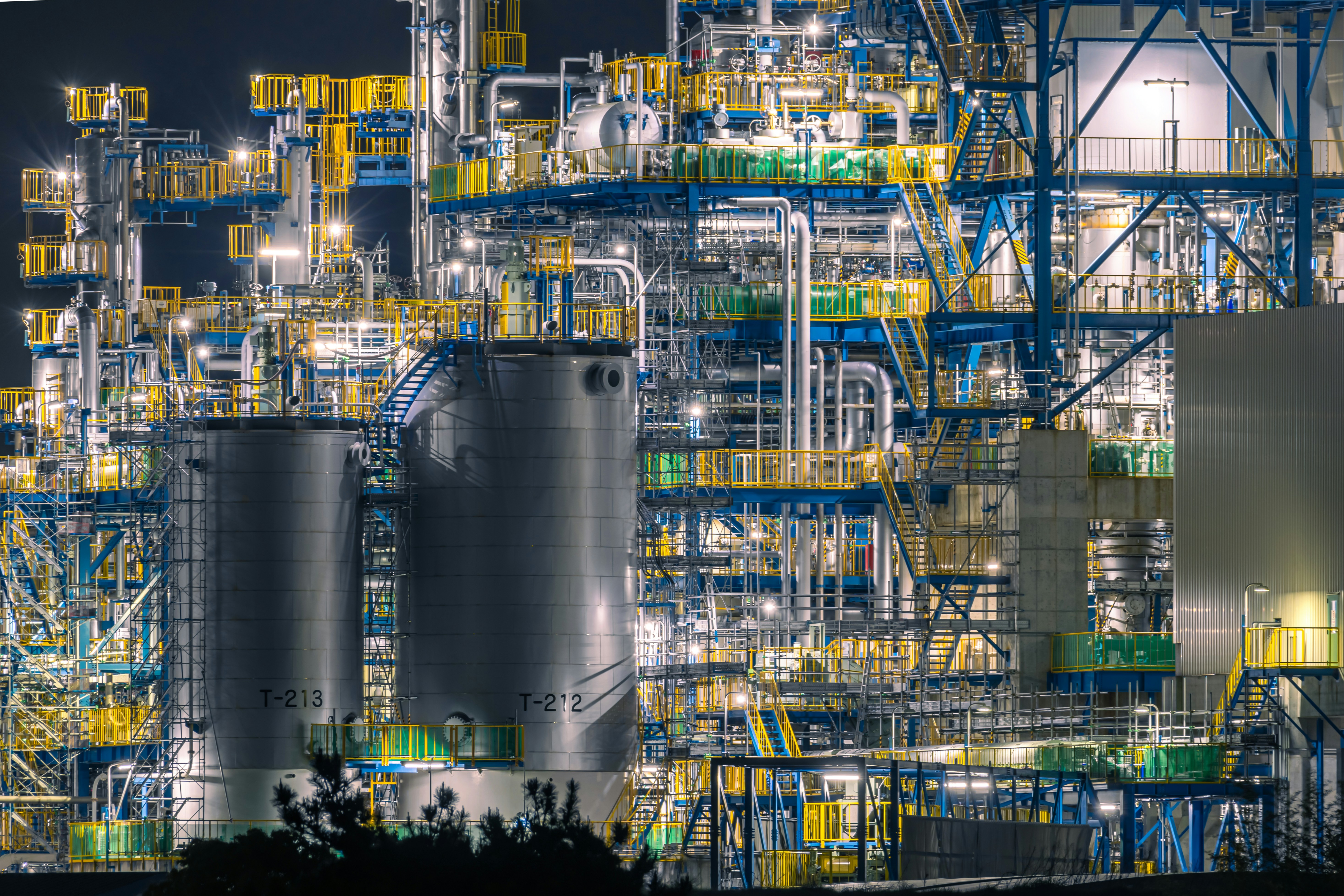
Japan's petrochemical industry is undergoing a period of significant transformation as manufacturers respond to changing global demand, aging production assets, rising operating costs, and the transition toward higher-value specialty chemicals. Against this backdrop, the scheduled maintenance activities at Crasus Chemical's Oita complex offer more than a routine operational update—they provide insight into the broader restructuring taking place across Japan's chemical sector.
For Asian petrochemical buyers, plant maintenance events are not simply operational notices. They can influence regional supply availability, lead times, spot market pricing, and procurement planning. Understanding how maintenance schedules fit into larger industry restructuring efforts helps buyers make more informed sourcing decisions.
The Oita petrochemical complex is an important manufacturing site within Japan's chemical industry, producing key petrochemical intermediates used in plastics, synthetic rubber, industrial chemicals, and downstream manufacturing.
Scheduled maintenance serves several important purposes:
Ensuring safe and reliable plant operations.
Improving equipment efficiency and production reliability.
Meeting environmental and regulatory requirements.
Preparing facilities for future operational upgrades.
Supporting long-term asset management.
While planned shutdowns are a normal part of petrochemical operations, they can temporarily reduce production capacity and tighten regional supply for selected products.
The Oita maintenance program should be viewed within the wider context of Japan's industrial transformation.
Japanese petrochemical producers are increasingly focusing on:
Optimizing older manufacturing assets.
Reducing excess commodity production capacity.
Investing in specialty and performance chemicals.
Improving energy efficiency and sustainability.
Increasing operational flexibility to meet changing market demand.
Maintenance projects are no longer limited to equipment inspections—they often support broader modernization initiatives designed to improve long-term competitiveness.
Routine maintenance can create temporary market effects that procurement teams should monitor carefully.
Temporary reductions in production may tighten availability for selected petrochemical products, particularly where alternative regional supply is limited.
Maintenance shutdowns can extend production schedules and delivery timelines if inventories are lower than expected.
Reduced operating rates may increase short-term spot prices, especially if multiple regional producers conduct maintenance during the same period.
Buyers may see increased imports from South Korea, Southeast Asia, China, or the Middle East to offset temporary production reductions in Japan.
Procurement teams can reduce risk by preparing before maintenance activities begin.
Recommended actions include:
Confirm supplier production schedules and maintenance timelines.
Increase visibility into inventory levels for critical raw materials.
Evaluate qualified secondary suppliers in other regions.
Secure transportation capacity in advance where possible.
Monitor regional spot market prices and supply announcements.
Review safety stock policies for strategically important materials.
Early planning helps minimize the impact of temporary production interruptions.
The Oita maintenance story reflects several long-term trends reshaping Japan's chemical industry.
These include:
Portfolio restructuring by major chemical manufacturers.
Greater investment in higher-value specialty products.
Rationalization of aging commodity production facilities.
Increased focus on operational efficiency.
Expansion of sustainability and decarbonization initiatives.
Stronger emphasis on capital discipline and return on investment.
Rather than isolated operational events, maintenance programs increasingly form part of broader strategic transformation plans.
Procurement Area | Potential Impact | Recommended Action |
|---|---|---|
Supply Availability | Moderate | Confirm inventory and production schedules |
Lead Times | Moderate | Place orders earlier where possible |
Spot Pricing | Moderate–High | Monitor regional market movements |
Logistics | Low–Moderate | Secure shipping capacity in advance |
Supplier Risk | Moderate | Diversify sourcing and update contingency plans |
The scheduled maintenance at Crasus Chemical's Oita complex illustrates how routine operational activities are increasingly connected to broader restructuring efforts within Japan's petrochemical industry. While maintenance shutdowns are temporary, they highlight the industry's ongoing focus on modernization, operational efficiency, and long-term competitiveness.
For Asian petrochemical buyers, the key lesson is to view maintenance announcements as strategic market signals rather than isolated operational events. By monitoring production schedules, strengthening supplier communication, and maintaining diversified sourcing strategies, procurement teams can reduce risk, improve supply continuity, and better navigate the evolving regional petrochemical landscape.

Featured Product
Found this useful?
Continue Reading
Wood Mackenzie's confirmed March 2026 analysis stated: "The current Hormuz blockade

Procurement teams navigating FDA constraints must grasp how Type II DMF review timelines shape API supplier qualification and procurement planning. Understanding these timelines enables proactive sourcing, risk mitigation, and regulatory alignment.
LyondellBasell's sale to Aequita/Velogy includes a polypropylene plant in England. Combined with the UK