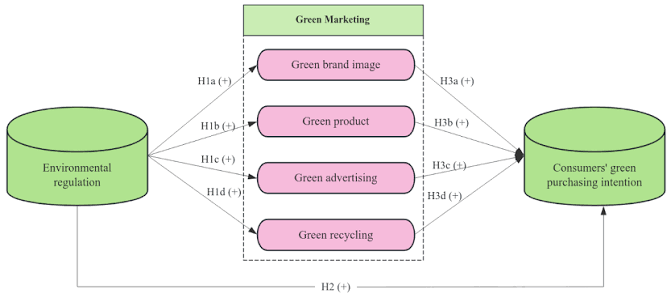
Chemical companies are facing a growing tension between sustainability requirements and customer economics. Regulators are pushing producers toward lower emissions, greater transparency and more sustainable production, but customers often remain unwilling to absorb the additional cost associated with greener products.
Oliver Wyman's 2026 chemical industry outlook highlights this challenge as companies continue to encounter limited willingness among customers to pay premiums for sustainable solutions. That gap can complicate investment decisions because companies must balance regulatory expectations against competitive pricing pressure.
For procurement managers, chemical traders and manufacturers, the issue is becoming increasingly important. A sustainability strategy that works technically may struggle commercially if downstream buyers prioritize price over environmental attributes.
The Green Premium Problem
Producing lower-carbon chemicals can require significant investment. Companies may need to purchase renewable energy, modify production processes, invest in carbon reduction technologies or secure alternative feedstocks.
These changes can increase production costs.
In theory, companies can recover those costs by charging a green premium. In practice, customers may resist paying substantially more for a chemically equivalent product when conventional alternatives remain available.
This creates a difficult commercial equation:
Higher sustainability investment → higher production cost → higher required selling price → customer resistance → weaker return on investment.
The challenge becomes particularly significant in commodity and intermediate chemical markets where buyers have multiple sourcing options.
Regulation Can Increase Costs Without Guaranteeing Demand
Regulatory requirements can push companies toward sustainability investments even when customers are unwilling to pay more.
This distinction is important.
A company may need to reduce emissions or provide additional environmental information because of regulatory requirements. However, compliance does not automatically create a market willing to reward the company for exceeding minimum requirements.
Companies therefore face two different pressures.
The first is compliance pressure, where regulations establish minimum environmental requirements.
The second is commercial pressure, where customers decide whether they will pay for products that go beyond those requirements.
When the two move at different speeds, chemical producers can find it difficult to justify large sustainability investments.
Why Chemical Producers Face a Particularly Difficult Challenge
Chemical manufacturing is highly interconnected with energy, feedstocks and industrial infrastructure. Changing one part of a production process can affect the economics of the entire value chain.
For example, lower-carbon production may require:
More expensive feedstocks.
Renewable electricity.
New production equipment.
Carbon capture systems.
Alternative process technologies.
Additional certification.
More detailed supply-chain data.
The resulting cost increase may then move through multiple stages of the value chain.
A chemical producer may absorb some of the cost, pass it to a converter or manufacturer or attempt to charge the final customer a premium.
Each step creates another opportunity for price resistance.
Procurement Teams Often Face the Same Dilemma
Chemical procurement managers are under pressure to support corporate sustainability goals while controlling purchasing costs.
A procurement team may be asked to source lower-carbon chemicals, recycled feedstocks or products with improved environmental credentials. At the same time, management may impose strict cost-reduction targets.
This creates a difficult purchasing decision.
If a conventional product costs $1,000 per tonne while a lower-carbon alternative costs substantially more, procurement needs evidence that the additional expenditure delivers measurable commercial or regulatory value.
The sustainability benefit may be important, but procurement teams still need to justify the total cost.
Carbon Accounting Could Change the Calculation
One factor that could strengthen demand for greener chemicals is better carbon accounting across supply chains.
As companies improve their ability to measure product-level emissions, buyers may become more capable of comparing suppliers based on carbon intensity rather than relying only on broad sustainability claims.
This could create a more structured market for lower-carbon chemicals.
Instead of asking whether a product is simply "green," buyers could evaluate:
Product carbon footprint.
Production energy source.
Feedstock origin.
Recycled content.
Scope 1 and Scope 2 emissions.
Relevant Scope 3 emissions.
Certification and verification.
Traceability.
Better data can make sustainability attributes easier to incorporate into procurement decisions.
Customers May Pay for Compliance Before They Pay for Sustainability
One important distinction is emerging between voluntary green products and products required to meet regulatory or customer standards.
Customers may resist paying a premium simply because a product has a lower environmental footprint. They may be more willing to pay when purchasing the product helps them meet a mandatory regulatory requirement or customer specification.
This changes the commercial value of sustainability.
A lower-carbon chemical may have limited pricing power if its environmental benefit remains voluntary. However, if downstream manufacturers need that material to meet emissions reporting, product standards or market-access requirements, its value can increase.
Chemical companies therefore need to understand not only environmental performance but also the regulatory drivers behind customer demand.
Certification Could Become a Commercial Differentiator
Certification and third-party verification may help suppliers demonstrate that sustainability claims represent measurable differences.
This is especially important as customers become more cautious about green claims.
A supplier offering a lower-carbon product may need to provide credible evidence covering production methods, feedstock sources and emissions.
For procurement teams, documentation can be as important as the sustainability claim itself.
Buyers can ask suppliers for:
Product carbon footprint calculations.
Third-party verification where available.
Certification details.
Feedstock traceability.
Renewable energy information.
Recycled or bio-based content.
Methodology used to calculate environmental performance.
Reliable documentation can help procurement teams determine whether a green premium is justified.
Chemical Companies May Need to Reduce the Cost of Green Production
If customers remain unwilling to pay significant premiums, chemical producers cannot rely entirely on higher selling prices to finance sustainability investments.
Cost reduction becomes equally important.
Companies may focus on:
Improving energy efficiency.
Scaling low-carbon technologies.
Increasing renewable energy use.
Optimizing production yields.
Developing lower-cost alternative feedstocks.
Integrating renewable or recycled inputs into existing processes.
Reducing waste and process losses.
As these technologies mature, the cost gap between conventional and lower-carbon production could narrow.
This would make sustainability easier to commercialize without depending entirely on customer willingness to pay a premium.
Scale Could Become the Key to Closing the Gap
Many sustainable chemical technologies remain more expensive because production volumes are relatively small.
Scaling production can reduce unit costs through better equipment utilization, larger procurement volumes and improved process efficiency.
This creates a potential cycle:
More demand → larger production scale → lower unit costs → smaller green premium → greater customer adoption.
The challenge is reaching sufficient demand to begin that cycle.
Chemical producers may therefore use partnerships, long-term offtake agreements and strategic customer commitments to secure demand before investing in large-scale sustainable production.
Long-Term Contracts Could Support Green Investment
Long-term purchasing agreements can help reduce the commercial risk associated with sustainability investments.
If a chemical producer knows that customers will purchase a defined volume of lower-carbon material over several years, it becomes easier to justify capital expenditure.
For buyers, long-term agreements can provide greater supply security and predictable pricing.
However, procurement teams need to balance these benefits against flexibility. Committing to a single technology too early can create risk if alternative low-carbon solutions become more competitive.
Chemical Traders Can Help Bridge Supply and Demand
Specialty chemical distributors and traders may have an important role in developing markets for sustainable chemicals.
They can aggregate demand from multiple customers and connect smaller buyers with producers developing lower-carbon materials.
This can help overcome one of the barriers facing emerging sustainable products: insufficient individual customer volumes.
Traders can also help customers compare suppliers based on technical specifications, sustainability credentials and delivered costs.
As sustainability requirements become more complex, technical and regulatory support may become increasingly important parts of chemical distribution.
Procurement Should Evaluate the Total Value of Green Chemicals
The cheapest product is not necessarily the lowest-cost option if future regulatory or customer requirements create additional expenses.
Procurement teams can therefore evaluate sustainable products using a broader total-value framework.
Consider:
This approach allows companies to determine whether a green premium provides measurable strategic value.
What Chemical Companies Should Monitor
The green premium challenge is likely to remain an important market signal through 2026 and beyond.
Chemical businesses should monitor:
Customer willingness to sign long-term green offtake agreements.
Changes in carbon pricing.
Regulatory requirements affecting product emissions.
Availability of lower-cost sustainable feedstocks.
New low-carbon production capacity.
Customer demand for verified carbon data.
Competitive pricing between conventional and sustainable products.
These indicators can show whether sustainable chemistry is moving from a compliance-driven market toward a commercially self-sustaining one.
What Procurement Teams Should Do Now
Procurement organizations can prepare for the changing market without automatically accepting large sustainability premiums.
Segment demand: Identify applications where customers genuinely require lower-carbon materials.
Quantify the premium: Compare sustainable products against conventional alternatives using delivered cost rather than headline pricing.
Verify supplier claims: Request documented carbon and sustainability data.
Use pilot volumes: Test lower-carbon alternatives before committing to large-scale contracts.
Explore long-term agreements: Consider offtake structures when predictable demand can support supplier investment.
Track regulation: Identify where future compliance requirements could turn voluntary sustainability attributes into commercial necessities.
Maintain optionality: Avoid excessive dependence on one emerging technology or feedstock.
The Bottom Line for Chemical Procurement Teams
The chemical industry's sustainability challenge is no longer purely technological. Companies can develop lower-carbon products, but commercial adoption depends on whether customers are prepared to pay for them.
Oliver Wyman's 2026 outlook highlights this tension between sustainability ambitions and limited customer willingness to absorb green premiums. For chemical producers, this means regulatory compliance and sustainability investment must increasingly be connected to clear commercial value.
For procurement teams, the opportunity is to evaluate green chemicals through a broader lens that includes carbon exposure, regulatory requirements, supply security and long-term cost. As sustainable production scales and regulatory pressure increases, some green premiums may narrow, but companies that build reliable demand and credible supply relationships early could gain an advantage