
Market Insight
Jun 23, 2026schedule5 Min Read
Water Treatment Specialty Chemicals: Post-Crisis Desalination
GCC desalination infrastructure which provides 99% of drinking water in Qatar and Kuwait, 90%+ in Bahrain,70% in UAE
Full Reportarrow_forward


prodchem
Jun 12, 2026
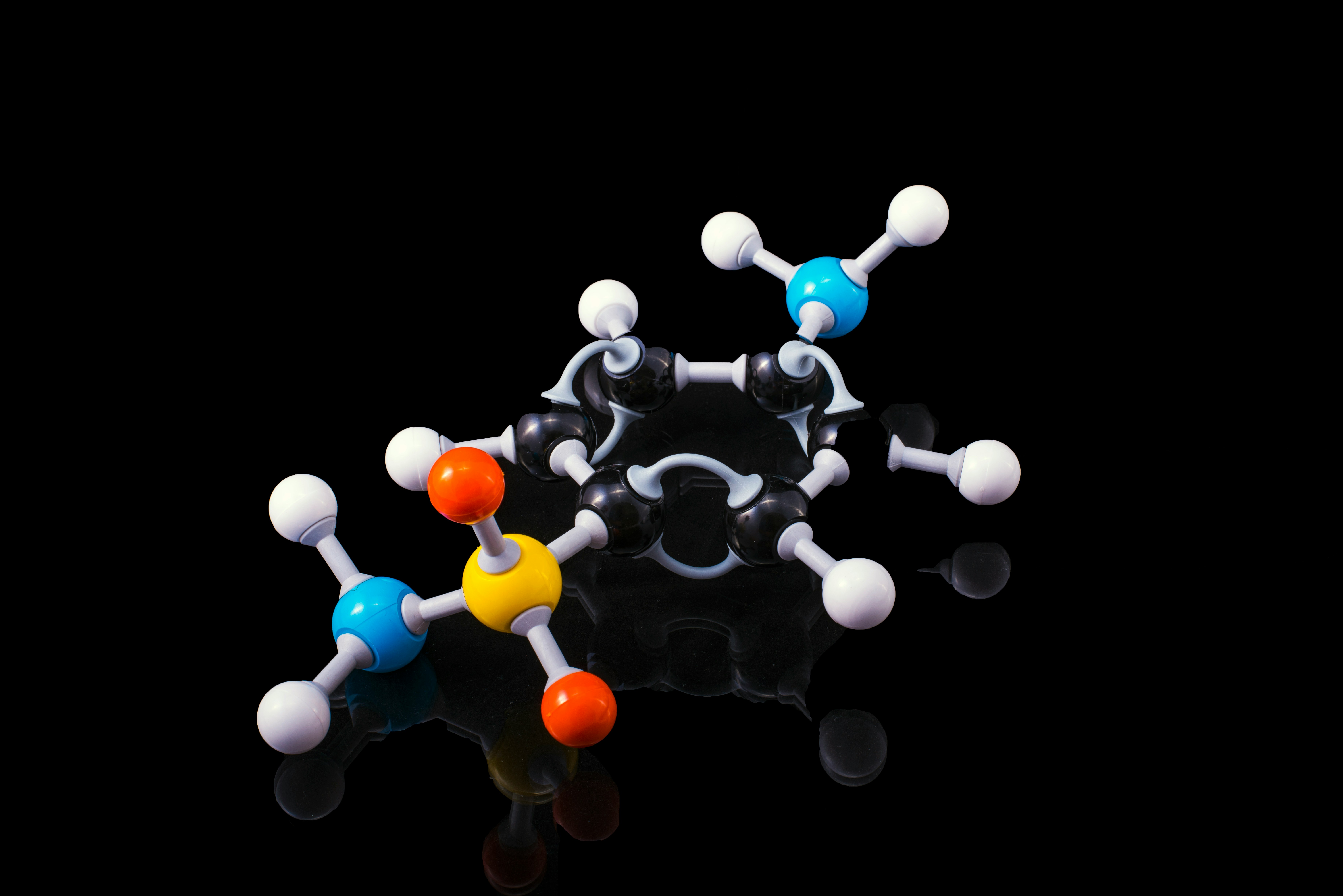
While consumers recognize products such as nylon textiles, automotive components, industrial coatings, and decorative paints, few are aware of the chemical intermediates that make these products possible. Among the most important of these intermediates are Cyclohexane and Cyclohexanol—two essential chemicals that sit at the heart of the nylon and coatings value chains.
Derived primarily from benzene, Cyclohexane serves as a key feedstock for the production of cyclohexanol and cyclohexanone, which are then converted into critical intermediates used in nylon manufacturing. At the same time, cyclohexanol finds applications in coatings, solvents, plasticizers, and specialty chemical production.
As global demand for engineering plastics, automotive materials, textiles, construction products, and industrial coatings continues to grow, Cyclohexane and Cyclohexanol remain strategically important chemicals in the petrochemical industry.
Cyclohexane is a colorless, flammable hydrocarbon primarily produced through the hydrogenation of benzene.
Its primary role is not as an end-use product but as an intermediate used in the manufacture of:
Cyclohexanol
Cyclohexanone
Adipic acid
Caprolactam
Nylon intermediates
Because of its importance in nylon production, Cyclohexane demand is closely tied to automotive, textile, packaging, and industrial manufacturing activity.
Cyclohexanol is produced through the oxidation of cyclohexane and is often manufactured alongside cyclohexanone in what is commonly known as KA Oil (Ketone-Alcohol Oil).
Cyclohexanol serves as a feedstock for:
Adipic acid production
Plasticizers
Solvents
Surface coatings
Chemical intermediates
Its versatility makes it valuable across numerous industrial applications beyond nylon manufacturing.
The largest market for both Cyclohexane and Cyclohexanol is the nylon industry.
Cyclohexanol and cyclohexanone are converted into adipic acid, one of the key raw materials used to manufacture Nylon 6,6.
Adipic acid is essential for producing:
Automotive components
Industrial fibers
Engineering plastics
Electrical equipment
Consumer goods
As lightweight materials become increasingly important in transportation and manufacturing, demand for adipic acid remains strong.
Cyclohexanone is also used in the production of caprolactam, the primary precursor for Nylon 6.
Nylon 6 is widely utilized in:
Textile fibers
Carpets
Packaging films
Engineering plastics
Industrial machinery
Together, Nylon 6 and Nylon 6,6 account for a substantial share of global cyclohexane consumption.
The future of Cyclohexane and Cyclohexanol is closely linked to the growth of nylon markets.
Vehicle manufacturers increasingly use nylon components to reduce weight and improve fuel efficiency.
Applications include:
Engine covers
Air intake manifolds
Connectors
Cooling systems
Structural components
Electric vehicles further support demand for engineering plastics due to their lightweighting requirements.
Nylon fibers continue to be widely used in:
Sportswear
Industrial fabrics
Carpets
Outdoor equipment
Performance textiles
Growing consumer demand for durable and high-performance materials supports long-term nylon consumption.
Engineering-grade nylons provide:
Heat resistance
Mechanical strength
Chemical resistance
Durability
These properties make them indispensable in industrial equipment and machinery.
While nylon production dominates consumption, Cyclohexanol also plays a valuable role in paints and coatings.
Cyclohexanol is used as a solvent and formulation component in various industrial coatings.
Benefits include:
Good solvency characteristics
Compatibility with coating formulations
Improved application properties
Cyclohexanol derivatives contribute to:
Protective coatings
Industrial paints
Automotive finishes
Specialty coating systems
As construction and infrastructure projects expand globally, demand for coating materials continues to support cyclohexanol consumption.
Cyclohexanol serves as a precursor in the manufacture of plasticizers and specialty resins used in:
Flexible materials
Construction products
Industrial applications
Consumer goods
These markets provide additional diversification for cyclohexanol producers.
Cyclohexane production begins with benzene, making benzene market conditions a major factor in production economics.
Key influences include:
Crude oil prices
Refinery operations
Aromatics demand
Petrochemical supply balances
Hydrogenation and oxidation processes require significant energy input. As a result, energy prices can affect production costs and margins.
Many producers operate integrated facilities that connect:
Benzene
Cyclohexane
Cyclohexanol
Adipic acid
Caprolactam
Nylon production
Integration helps improve efficiency and reduce exposure to market volatility.
Asia-Pacific continues to lead global investments in nylon intermediates and engineering plastics production, strengthening demand for cyclohexane and cyclohexanol.
Environmental performance is becoming increasingly important throughout the nylon value chain.
Key industry initiatives include:
Lower-carbon nylon production
Energy-efficient manufacturing technologies
Process optimization
Waste reduction programs
Circular economy solutions
Particular attention is being given to reducing emissions associated with adipic acid production and improving the sustainability profile of nylon materials.
As sustainability targets become more ambitious, producers are investing in innovative technologies that balance environmental performance with economic competitiveness.
The outlook for Cyclohexane and Cyclohexanol remains positive, supported by continued demand from nylon and coatings industries.
Major growth drivers include:
Expansion of electric vehicle production
Rising demand for engineering plastics
Growth in construction and infrastructure projects
Increasing use of performance textiles
Industrial manufacturing development
Potential challenges include:
Feedstock price volatility
Environmental compliance costs
Global economic uncertainty
Competitive pressures in downstream markets
Despite these factors, the long-term outlook remains favorable due to the essential role these chemicals play in multiple industrial value chains.
Cyclohexane and Cyclohexanol may not be widely recognized outside the chemical industry, but they are indispensable building blocks behind many everyday products. From enabling the production of nylon fibers and engineering plastics to supporting paints, coatings, and specialty chemicals, these intermediates are deeply embedded in modern manufacturing.
As industries continue to pursue lightweight materials, durable coatings, and sustainable production methods, Cyclohexane and Cyclohexanol will remain critical components of the global chemical value chain. Their importance in nylon production alone ensures they will continue to influence automotive, textile, construction, and industrial markets well beyond 2026.
Featured Product

Found this useful?
Continue Reading
GCC desalination infrastructure which provides 99% of drinking water in Qatar and Kuwait, 90%+ in Bahrain,70% in UAE

Chemical price forecasting methods range from simple regression models to complex agent-based simulations. There are primary methodologies used by ICIS,Procurement Resource and IMARC.
The oleochemicals market is expanding rapidly as sustainability goals and higher crude oil prices improve competitiveness against petrochemical alternatives. This analysis explores demand growth, feedstock trends, trade dynamics and procurement implications through 2033.