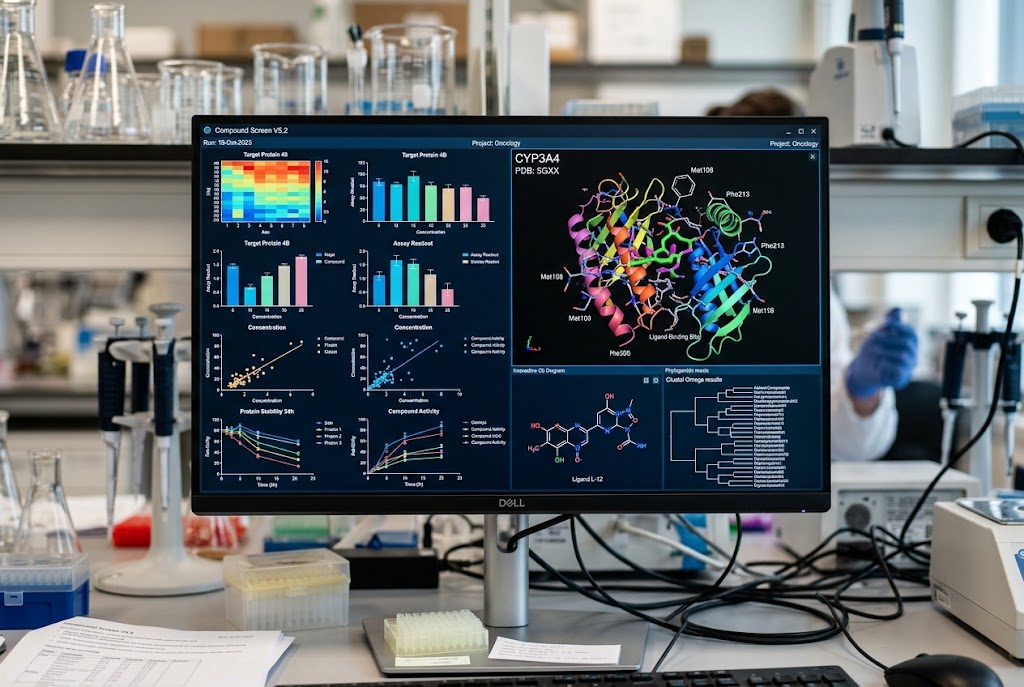
The chemical industry is witnessing a fundamental shift in how it values industrial biotechnology assets. The recent acquisition of Genomatica by Copenhagen-based Again underscores this transformation. Analysts note that the primary acquired asset is not a physical factory or a single molecule.
Instead the core value lies in three decades of proprietary process data. This vast repository of fermentation insights reflects a new reality for specialty biomanufacturing. Valuation is increasingly concentrating on these digital assets rather than traditional hardware.
Procurement managers and chemical traders must understand this data-centric model. It changes how suppliers assess risk scalability and long-term viability. Buyers benefit from the efficiency and reliability that deep historical data provides.
This shift signals that intellectual property in the form of datasets is now paramount. Companies with robust data platforms can accelerate innovation and reduce production costs significantly. Traders should prioritize partners who leverage such computational advantages.
Why Process Data Outvalues Physical Infrastructure
Traditional chemical valuations focused heavily on plant capacity and equipment. However biological manufacturing relies on complex microbial behaviors that are difficult to predict. Decades of operational data provide the keys to mastering these biological systems.
Genomatica’s dataset includes millions of data points on strain performance and yield optimization. This information allows for precise modeling of fermentation processes at any scale. It eliminates the costly trial-and-error phases typical of new biological projects.
Again leverages this data to optimize its carbon utilization pathways effectively. The integration reduces the time required to bring new molecules from concept to market. This speed is a critical competitive advantage in the fast-evolving sustainable chemicals sector.
Buyers gain access to more stable and predictable supply chains as a result. Suppliers with deep data insights can anticipate and mitigate production issues proactively. This reliability is essential for maintaining continuous downstream manufacturing operations.
The Role of Proprietary Datasets in Scaling
Scaling biological processes from the lab to industrial volumes remains a major challenge. Many promising technologies fail due to unforeseen interactions at larger scales. Proprietary datasets help identify these risks before significant capital is invested.
Historical data on reactor conditions and nutrient feeds guides optimal scale-up strategies. It ensures that microbial strains maintain their productivity in large vessels. This precision reduces the failure rate of new commercial projects significantly.
Traders should recognize that companies with rich datasets have lower execution risk. They can promise higher yields and consistent quality with greater confidence. This assurance supports stronger long-term contracts between buyers and suppliers.
The ability to simulate various scenarios using historical data also enhances flexibility. Producers can adjust parameters quickly to accommodate different feedstocks or product specifications. This agility is crucial for meeting diverse customer needs efficiently.
Impact on Supply Chain Transparency and Trust
Data-centric valuations promote greater transparency in chemical supply chains. Suppliers can share verified performance metrics with buyers to build trust. This openness helps procurement teams make informed sourcing decisions based on hard evidence.
Detailed lifecycle assessments become more accurate when backed by comprehensive process data. Buyers can verify the carbon footprint and environmental impact of each batch precisely. This verification is increasingly important for regulatory compliance and sustainability reporting.
Traders can use this data to differentiate products in a crowded market. Verified low-carbon credentials command premium prices and secure loyal customers. The transparency provided by robust datasets creates a clear competitive edge.
Procurement managers should request data-backed sustainability reports from their suppliers. Understanding the underlying process metrics helps validate environmental claims effectively. This diligence protects companies from greenwashing risks and reputational damage.
Strategic Advantages for Early Adopters
Companies that prioritize data-rich suppliers gain several strategic advantages. They access materials produced with higher efficiency and lower environmental impact. This alignment supports corporate net-zero goals and enhances brand reputation significantly.
Early adopters can also influence the development of new molecules through collaboration. Sharing application data with suppliers helps refine fermentation processes for specific needs. This co-creation accelerates innovation and ensures product relevance.
Traders who understand the value of process data can negotiate better terms. Recognizing the intellectual property behind the product justifies fair pricing structures. It fosters partnerships based on mutual respect for technological expertise.
Building relationships with data-driven innovators future-proofs supply chains. These partners are better equipped to adapt to regulatory changes and market shifts. Their agility ensures continuous supply of critical materials in volatile environments.
Challenges in Data Integration and Security
Despite the benefits integrating diverse datasets presents technical challenges. Standardizing data formats from different sources requires significant effort and expertise. Inconsistent metrics can lead to inaccurate models and poor decision-making.
Cybersecurity is another major concern as operations become increasingly digitized. Protecting proprietary process data from theft or sabotage is critical. Suppliers must implement robust security protocols to maintain buyer trust.
Workforce skills also need to evolve to manage these digital assets. Data scientists and bioinformaticians are in high demand but short supply. Investing in training programs is essential for building capable internal teams.
Buyers should evaluate the data governance practices of their suppliers carefully. Ensuring ethical and secure handling of information protects both parties from legal risks. Transparent policies on data usage and sharing are mandatory for successful partnerships.
What Procurement Teams Should Do Now
Procurement leaders must update their vendor evaluation criteria to include data capabilities. Assessing the depth and quality of a supplier’s process database is now crucial. This shift ensures selection of partners with true technological leadership.
Consider the following strategic actions for the coming year:
Audit current suppliers for their data management and sharing practices. Identifying tech-forward partners ensures access to transparent and reliable supply chains.
Request detailed process data to support sustainability claims. Verifying carbon footprints with hard metrics strengthens internal reporting and external communication.
Collaborate on data-sharing initiatives to improve product customization. Joint analysis helps optimize materials for specific applications and enhances performance.
Invest in digital literacy within the procurement team. Understanding data concepts improves communication with technical suppliers and enhances negotiation power.
Monitor industry trends in computational biology continuously. Staying informed about new tools helps identify emerging opportunities and potential disruptions.
The Bottom Line for Chemical Buyers
The Again-Genomatica deal confirms that proprietary process data is the new currency in specialty biomanufacturing. Valuation now concentrates on these digital assets rather than physical infrastructure alone. Buyers must adapt their sourcing strategies to prioritize data-rich suppliers.
Companies that leverage these insights will build more resilient and sustainable operations. Access to optimized production pathways ensures reliability and cost efficiency. The future of chemical procurement belongs to those who value intelligence as much as inventory. Ready to source Lactic Acid from verified global suppliers? Explore competitive offers on our platform today.