Pilot recoveries above 90% demonstrate the potential of direct lithium extraction technology, but strong technical performance alone does not guarantee commercial deployment. Albemarle's Atacama direct-lithium-extraction project remains subject to further approvals and validation, highlighting the regulatory scrutiny surrounding novel extraction technologies.
For lithium producers, chemical traders, investors and procurement teams, the development illustrates an important distinction between proving a technology at pilot scale and establishing the regulatory and operational confidence required for broader use.
Direct lithium extraction, commonly known as DLE, represents a different approach to recovering lithium from brine resources. Instead of relying solely on conventional evaporation-based processing, DLE technologies aim to selectively recover lithium from brine through specialized extraction processes.
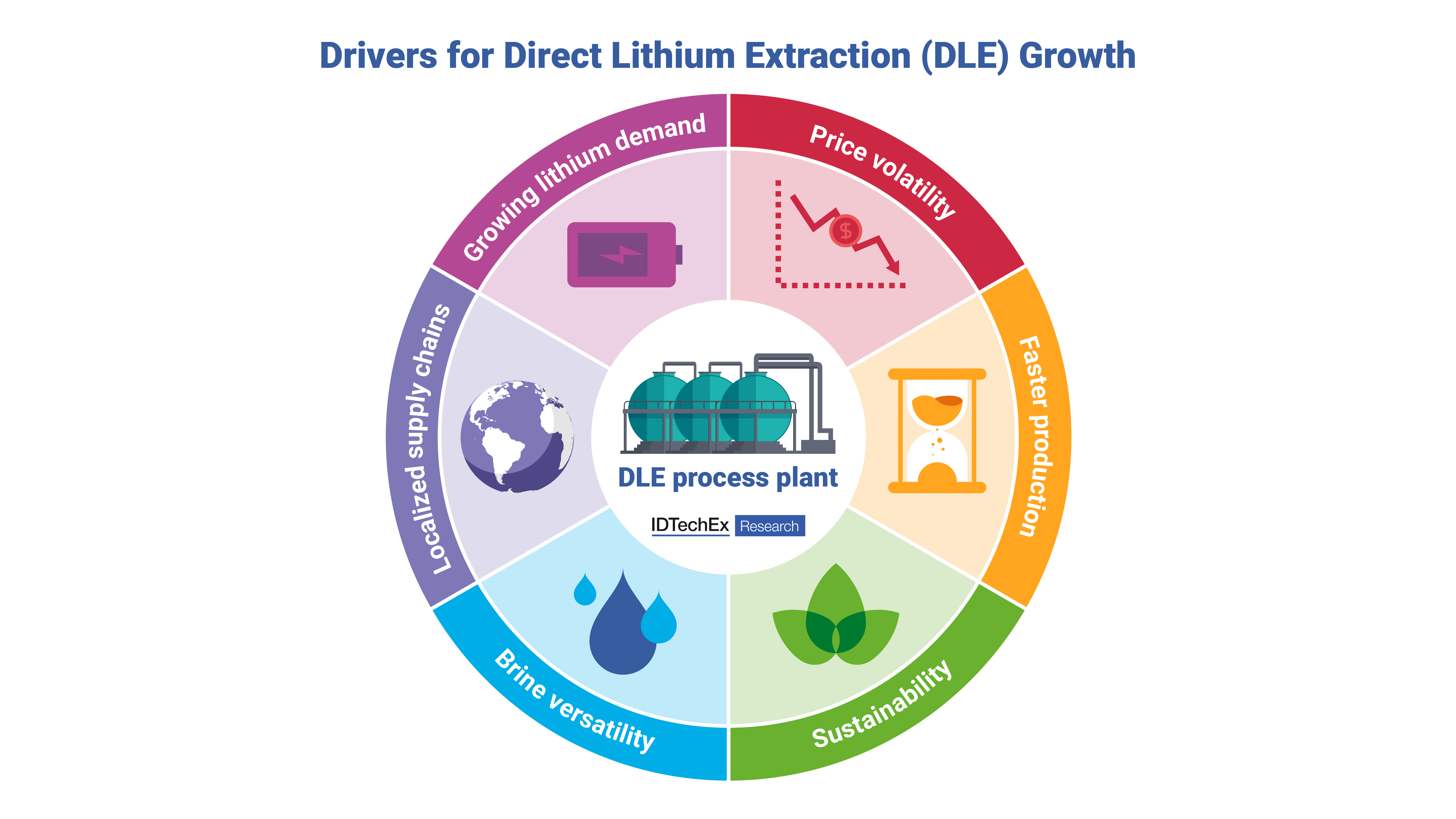
The potential advantages make the technology attractive to the lithium industry. Faster processing, improved resource utilization and potentially lower land requirements can create opportunities for producers seeking to increase lithium output while managing environmental and operational constraints.
However, the technology must demonstrate more than high recovery rates. Regulators and project stakeholders need confidence that the process can operate consistently, safely and responsibly under commercial conditions.
Albemarle's Atacama Project Shows the Validation Challenge
Albemarle's Atacama direct-lithium-extraction project provides an example of how promising pilot results still need to progress through additional validation. Pilot recoveries above 90% indicate strong technical potential, but wider deployment requires further approvals and confirmation that the technology can meet the necessary operational and regulatory requirements.
This creates a multi-stage development pathway. A technology can perform well in controlled pilot conditions while still requiring additional evidence before authorities and project stakeholders support broader implementation.
For lithium market participants, the distinction is important because pilot success should not automatically be interpreted as immediate commercial capacity.
From Pilot Recovery to Commercial Deployment
Moving from a successful pilot project to commercial-scale production involves several layers of validation. The technology must demonstrate that performance can remain reliable when processing volumes increase and operating conditions become more complex.
Key areas of consideration include:
Recovery performance: Pilot results need to translate into dependable commercial operation.
Process consistency: Operators must demonstrate stable performance across changing brine conditions.
Environmental considerations: Regulators may require evidence regarding water use, waste streams and broader environmental impacts.
Operational reliability: Equipment and extraction systems must function consistently at larger scale.
Regulatory approval: Necessary permits and authorizations must be secured before broader deployment.
These requirements help explain why technically promising extraction technologies can take significant time to move from pilot development to full-scale operations.
Regulatory review plays a particularly important role when a technology changes how natural resources are extracted and processed. Authorities may need to evaluate environmental impacts, water management, process safety and the broader effects of commercial-scale operations.
Lithium brine projects can attract additional attention because water resources and ecosystems in lithium-producing regions are important considerations. Any new extraction approach therefore needs to demonstrate that its operating model meets applicable environmental and regulatory expectations.
For producers, regulatory validation can become a critical part of project development timelines. For investors and buyers, it can also determine when anticipated production capacity should be considered commercially available.
A recovery rate above 90% is a significant technical signal, but it does not represent the entire economics or feasibility of a DLE project.
Commercial viability also depends on factors such as energy requirements, reagent consumption, equipment costs, brine chemistry, operating reliability and downstream processing. A process that achieves high lithium recovery may still require optimization before it can operate competitively at industrial scale.
This is why procurement and trading professionals should examine multiple indicators when assessing emerging lithium technologies. Recovery performance provides useful information, but it should be considered alongside regulatory progress and evidence of commercial-scale reliability.
What Regulatory Validation Means for Lithium Supply
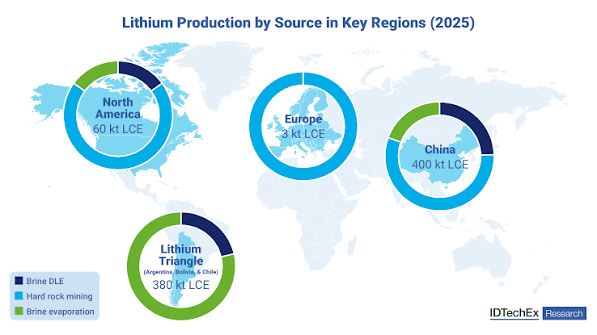
The development of DLE technology could eventually influence the global lithium supply landscape by enabling producers to recover lithium from brine resources through alternative processing methods. However, the timing of that impact depends on successful validation and deployment.
For buyers, this creates an important distinction between potential future supply and confirmed available supply. A project can demonstrate promising technology without immediately adding significant commercial volumes to the market.
Procurement teams should therefore avoid relying solely on announced DLE capacity when planning long-term lithium sourcing. Actual production schedules, approvals and operating performance remain critical factors.
Environmental Considerations Can Shape Deployment
Environmental performance is likely to remain an important part of the regulatory assessment for DLE projects. The ability to recover lithium while managing water resources and other environmental considerations can influence how regulators evaluate a technology.
This is especially relevant in sensitive brine-producing regions. Projects need to demonstrate that their extraction methods can operate within the applicable environmental framework while maintaining reliable production.
For chemical companies and downstream lithium users, environmental validation can also become part of supplier selection. Customers increasingly need visibility into how critical minerals are produced and whether suppliers can meet evolving sustainability expectations.
Environmental Considerations Can Shape Deployment
Environmental performance is likely to remain an important part of the regulatory assessment for DLE projects. The ability to recover lithium while managing water resources and other environmental considerations can influence how regulators evaluate a technology.
This is especially relevant in sensitive brine-producing regions. Projects need to demonstrate that their extraction methods can operate within the applicable environmental framework while maintaining reliable production.
For chemical companies and downstream lithium users, environmental validation can also become part of supplier selection. Customers increasingly need visibility into how critical minerals are produced and whether suppliers can meet evolving sustainability expectations.
Implications for Lithium Producers
DLE could provide producers with another technological pathway for improving resource utilization. If commercial projects successfully demonstrate reliable performance, the technology could become an increasingly important part of lithium production strategies.
However, producers considering DLE need to account for the full development cycle. Pilot performance, engineering validation, regulatory approvals and commercial-scale operation all contribute to determining whether a technology can deliver its expected value.
The Atacama project therefore represents more than a technology demonstration. It provides a case study in how advanced extraction systems must progress through multiple validation stages before they can reshape production capacity.
What Traders Should Watch
Lithium traders can use regulatory and technical milestones to distinguish developing technology from confirmed market supply. This can improve assessments of future production and potential changes in regional supply balances.
Important indicators include:
Further approvals: Regulatory progress can indicate whether wider deployment is moving closer.
Pilot validation: Continued operating results can provide evidence of process consistency.
Commercial-scale development: Investment decisions and engineering progress can signal movement toward larger capacity.
Environmental assessments: Regulatory outcomes can influence project timelines and operating requirements.
Actual production: Commercial output remains the strongest indicator that a technology has moved beyond the development stage.
Monitoring these signals can help traders avoid overestimating the immediate supply impact of emerging extraction technologies.
Procurement Teams Need a Longer-Term View
Lithium buyers increasingly need to consider both current supply and emerging production technologies. DLE could eventually broaden the range of available lithium resources, but regulatory and technical validation can determine how quickly that potential becomes commercially relevant.
For procurement teams, this means maintaining a balanced sourcing strategy. Existing qualified suppliers should remain central to near-term requirements while emerging technologies can be monitored as potential future sources.
Long-term contracts may also require careful consideration of how new production technologies could change the competitive supply landscape. Buyers that track technology development early may be better positioned to evaluate new suppliers when commercial capacity becomes available.
DLE Could Reshape Future Lithium Supply
The wider development of direct lithium extraction reflects the lithium industry's search for more efficient and potentially more adaptable production methods. As demand for lithium chemicals continues to support battery and energy-storage markets, producers have strong incentives to improve resource recovery and expand viable supply options.
Yet technological innovation must progress alongside regulatory confidence. The Atacama project demonstrates that high pilot recovery rates can establish technical promise while further approvals and validation remain necessary.
For the broader lithium market, this means DLE should be viewed as an evolving supply opportunity rather than an immediate replacement for established extraction methods.
The Bottom Line for Lithium Buyers
Albemarle's Atacama direct-lithium-extraction project highlights both the promise and complexity of next-generation lithium production. Pilot recoveries above 90% demonstrate strong potential, while the need for further approvals and validation shows why regulatory requirements remain central to commercial deployment.
For traders and procurement teams, the key lesson is to separate technological potential from confirmed supply. Tracking regulatory milestones, pilot performance and commercial-scale progress can provide a clearer picture of when DLE projects may begin making a meaningful contribution to the lithium market.
As the industry evaluates new extraction technologies, successful regulatory validation will be as important as technical performance in determining which projects can move from pilot operations to broader commercial deployment.