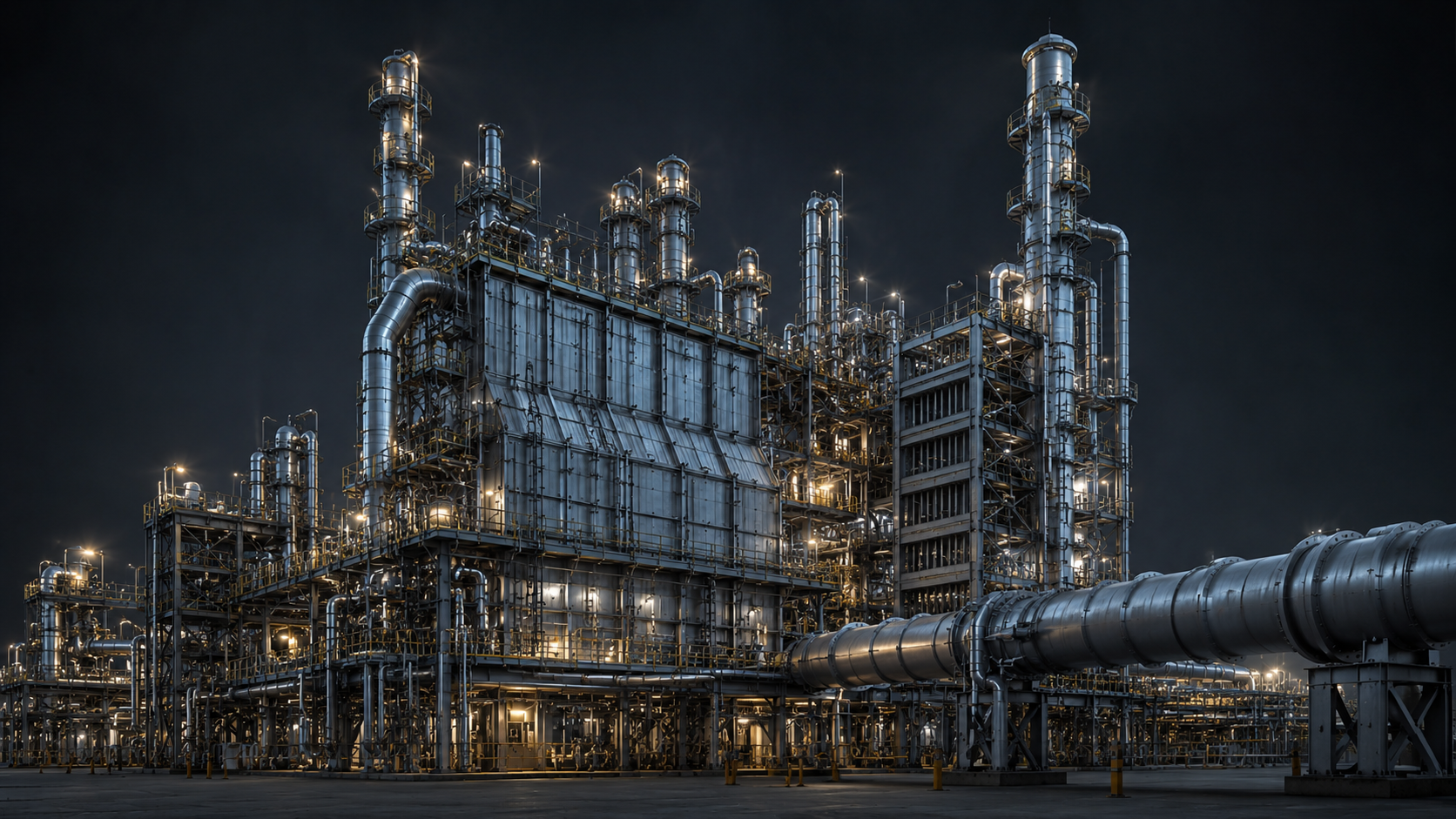
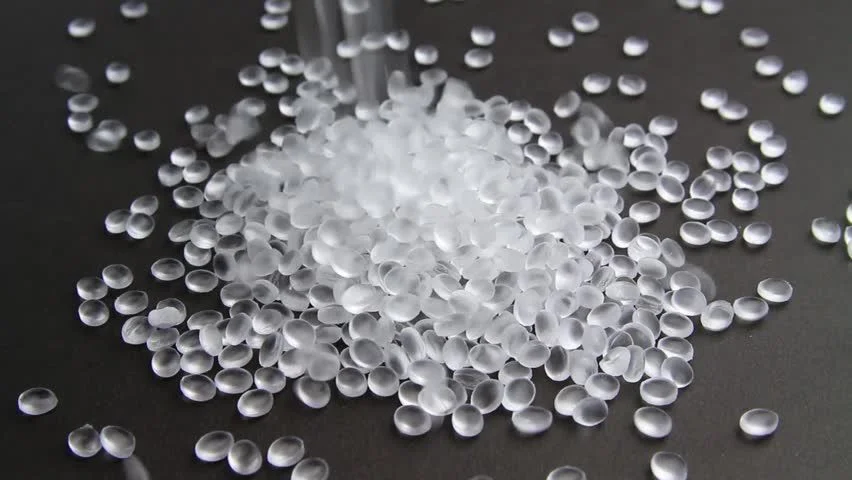
Dow's Alberta cracker project has become one of the most closely watched investments in the global petrochemical sector. By pairing a new ethylene cracker with carbon capture and storage technology, the company aims to expand production while reducing operational emissions. At the same time, the business continues to streamline its European manufacturing footprint, highlighting a broader shift toward regions that offer stronger cost competitiveness and lower carbon intensity.
For chemical traders, procurement managers and polymer manufacturers, this development extends beyond a single investment. It reflects how future petrochemical projects may balance production growth with environmental performance, influencing regional supply, pricing strategies and long term sourcing decisions.
Why the Alberta Cracker Project Matters
Ethylene remains one of the world's most important petrochemical building blocks. It serves as the foundation for polyethylene, ethylene glycol, vinyl products and many other industrial materials used across manufacturing.
Dow's Alberta investment demonstrates that companies no longer view production capacity and emissions reduction as separate goals. Instead, both objectives increasingly shape investment decisions.
Several factors make this project significant.
The facility combines large scale petrochemical production with carbon capture technology from the beginning rather than adding it later.
Alberta offers reliable feedstock supplies and established energy infrastructure that supports competitive operating costs.
The investment strengthens North America's role as a major supplier of petrochemical feedstocks for domestic and export markets.
Carbon Capture Changes the Investment Equation
Carbon capture and storage has traditionally appeared in power generation and energy projects. Its growing presence in petrochemical manufacturing marks an important change for the industry.
Instead of releasing carbon dioxide into the atmosphere, captured emissions can be transported and permanently stored underground. This approach helps manufacturers reduce their carbon footprint while maintaining high production volumes.
For global buyers, this could create additional value beyond environmental compliance.
Customers with sustainability targets may prefer suppliers producing lower emission materials.
Manufacturers can prepare for stricter environmental regulations without significantly reducing production.
Long term investments become more resilient as governments continue tightening climate policies.
Although carbon capture adds upfront costs, many producers expect operational advantages over the life of the project through regulatory certainty and improved market positioning.
Alberta's Competitive Position in Global Petrochemicals
Alberta has steadily emerged as an attractive location for petrochemical investment because it combines abundant natural gas resources with supportive industrial infrastructure.
The region offers several strategic advantages.
Stable feedstock availability reduces supply uncertainty.
Existing transportation networks simplify exports to North American and overseas customers.
Industrial clusters encourage collaboration among chemical manufacturers, logistics providers and downstream processors.
Government support for carbon reduction technologies strengthens investor confidence.
As more producers evaluate future capacity expansion, locations that combine feedstock security with emissions reduction capabilities may receive greater attention.
European Asset Reductions Reflect Changing Priorities
Dow's decision to reduce parts of its European asset base illustrates another important trend within the petrochemical sector.
Many European facilities face rising operating expenses driven by higher energy costs, environmental compliance requirements and competitive pressure from lower cost production regions.
Rather than distributing capital across older facilities, companies increasingly prioritize investments that deliver stronger long term returns.
This strategy can influence global trade in several ways.
Export volumes from North America may increase.
Regional supply patterns could shift as production concentrates in more competitive locations.
Buyers may diversify sourcing strategies to reduce dependence on a single production region.
For procurement teams, understanding these structural changes is often more valuable than monitoring short term price fluctuations.
What This Means for Ethylene and Polymer Supply
Ethylene sits at the beginning of numerous downstream value chains. Any expansion in production capacity eventually influences multiple chemical markets.
Industries likely to monitor this project include:
Polyethylene manufacturers seeking stable ethylene supply.
Packaging companies that depend on consistent polymer availability.
Automotive suppliers using engineering plastics.
Construction manufacturers producing pipes, insulation and plastic components.
Consumer goods companies requiring reliable packaging materials.
Additional North American capacity could improve regional supply security while supporting export opportunities into international markets.
However, market conditions will still depend on feedstock costs, transportation availability, global demand and the timing of project commissioning.
Procurement Considerations for Chemical Buyers
Major capital investments rarely affect purchasing decisions immediately. Their influence typically grows over several years as production ramps up and supply chains adjust.
Procurement professionals should monitor several indicators.
Construction milestones that signal project progress.
Regional ethylene production capacity.
Export infrastructure development.
Freight costs between North America and international markets.
Environmental regulations affecting competing production regions.
Companies that understand these factors early often gain greater flexibility when negotiating future supply contracts.
Sustainability Is Becoming a Commercial Advantage
Environmental performance increasingly affects purchasing decisions throughout industrial supply chains.
Many manufacturers now evaluate suppliers using both commercial and sustainability criteria. Facilities that successfully reduce emissions may strengthen relationships with customers seeking lower carbon materials.
This does not mean traditional cost considerations disappear. Instead, sourcing decisions increasingly balance price, reliability, regulatory compliance and environmental performance.
Projects such as Alberta's cracker illustrate how future competitiveness may depend on delivering all four objectives simultaneously.
Looking Ahead to 2027 and Beyond
The Alberta cracker project reflects a broader transformation across global petrochemicals. Companies continue investing in regions with competitive feedstocks while incorporating technologies that support lower emissions and stronger operational efficiency.
As additional capacity enters the market, buyers should expect gradual changes in regional trade flows, sourcing strategies and investment priorities rather than immediate market disruption. Organizations that closely monitor production trends and sustainability investments will be better positioned to adapt as the industry evolves.
Ready to source ethylene from verified global suppliers? Explore competitive offers on our platform today.