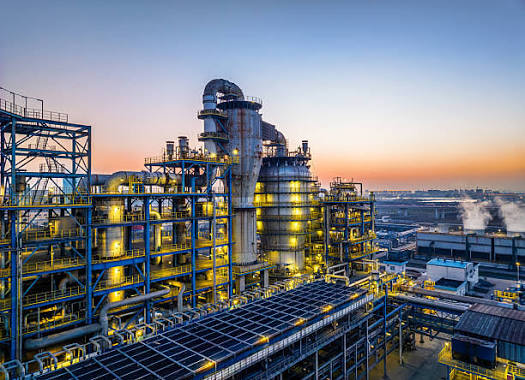
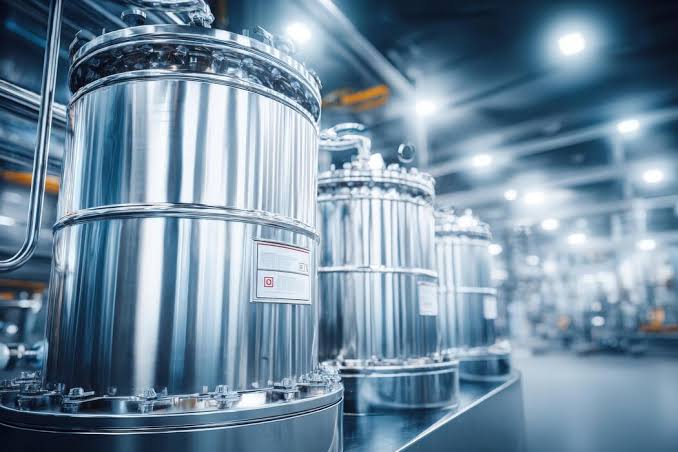
Dow is considering an exit from its $20 billion chemicals partnership with Saudi Aramco, a move that could have implications well beyond the two companies. The partnership operates Sadara Chemical Company in Jubail, Saudi Arabia, a large integrated chemicals complex with annual production capacity exceeding 3 million metric tons of chemicals and plastics.
No final decision has been made, but the possibility has put the structure of one of the region's major chemical partnerships under the spotlight. For pharmaceutical-adjacent buyers, the issue matters because specialty chemicals, intermediates and other downstream products can depend on interconnected petrochemical feedstock networks.
The potential transaction does not mean an immediate disruption to pharmaceutical supplies. However, procurement teams should monitor how ownership, investment priorities and regional operating conditions could influence future feedstock availability and sourcing options.
Why the Dow and Aramco Partnership Matters
Sadara was established as a joint venture between Saudi Aramco and Dow and represents a major integration of Saudi hydrocarbon resources with Dow's specialty chemical expertise. Aramco says the partnership combines its access to feedstocks with Dow's technical capabilities in high-volume specialty chemical production.
The complex includes 26 manufacturing units and reached full commercial operation in 2017. Dow describes Sadara as one of the world's largest integrated chemical facilities and the largest chemical complex built in a single phase.
That scale creates significance for chemical markets even when a pharmaceutical manufacturer does not purchase Sadara products directly. Feedstocks and intermediate chemicals can move through several stages of the industrial value chain before reaching applications connected to healthcare, coatings, packaging, formulation or specialty manufacturing.
The partnership therefore represents more than a corporate ownership arrangement. It forms part of a broader industrial network linking hydrocarbons, basic chemicals, specialty materials and downstream manufacturing.
What a Potential Dow Exit Could Change
Reports indicate that Dow is considering selling its 35% stake in Sadara as part of a broader portfolio review. Saudi Aramco could potentially acquire the stake, while other strategic or financial investors could also show interest. No transaction has been finalized.
For chemical buyers, the most important question is what happens after any ownership change. A change in shareholder structure does not automatically alter production, but it can influence capital allocation, product strategy, marketing arrangements and investment decisions.
Several areas deserve attention:
Capital investment: A new ownership structure could affect decisions around maintenance, expansion and technology investment.
Product strategy: Owners may reassess which chemical products receive priority based on market demand and profitability.
Feedstock integration: Aramco's control over hydrocarbon resources gives the partnership a strong upstream connection that could remain strategically important.
Commercial relationships: Changes in ownership could eventually influence how products reach international customers and downstream converters.
For procurement teams, these are medium-term considerations rather than evidence of an immediate supply shortage.
How Sadara Connects to Downstream Chemical Markets
Sadara's product portfolio includes specialty and performance chemicals as well as plastics and glycol products. The company identifies products such as polyols, co-polymer polyols, isocyanates and glycol products among its specialty offerings.
Some of these materials sit several steps away from pharmaceutical manufacturing. Others can contribute to industrial processes, packaging systems and specialty applications that support pharmaceutical production indirectly.
This distinction matters when assessing supply risk. A pharmaceutical company may not have Sadara listed as a direct supplier, yet a tier-two or tier-three supplier could depend on chemicals originating from the same broader petrochemical ecosystem.
Supply chain visibility therefore needs to extend beyond direct purchasing relationships.
Procurement managers should identify critical chemical inputs and determine whether their supply depends on a limited number of petrochemical producers, geographic regions or feedstock systems.
Why Pharma-Adjacent Buyers Should Pay Attention
Pharmaceutical manufacturing relies on a broad network of chemicals beyond active pharmaceutical ingredients. Solvents, intermediates, polymers, glycols and other specialty materials can support synthesis, processing, packaging and facility operations.
A change in the upstream chemical market can therefore affect pharmaceutical supply chains indirectly. The impact depends on the specific material and its supplier network, but limited sourcing options can amplify the consequences of disruption.
This is particularly relevant for buyers managing chemicals with:
Few qualified global suppliers.
Long production lead times.
Complex regulatory qualification requirements.
High switching costs between manufacturers.
Strong dependence on petrochemical feedstocks.
Changing suppliers for a critical pharmaceutical input can require qualification work, documentation reviews and production testing. Buyers cannot always respond to an upstream disruption simply by switching to another producer.
That makes early monitoring more valuable than reactive purchasing.
Feedstock Integration Gives Saudi Chemicals a Strategic Position
One of Sadara's defining features is its connection to Saudi Arabia's hydrocarbon resources. Aramco describes the facility as part of its strategy to increase the value generated from each hydrocarbon molecule by moving further downstream into chemicals.
Sadara's mixed-feed steam cracker began operating in 2016 and can process naphtha and ethane to produce molecules including ethylene and propylene. These building blocks support a diversified range of chemical and plastic products.
For buyers, upstream integration can provide advantages in feedstock access and production economics. It can also make regional chemical supply more interconnected, meaning changes in energy markets or feedstock availability can have downstream effects across multiple product categories.
Pharma-adjacent procurement teams should therefore consider the underlying feedstock chain when evaluating supplier resilience.
Regional Disruptions Add Another Layer of Risk
The potential ownership change comes during a difficult period for the global chemical industry. Reuters reported that regional conflict has disrupted oil and petrochemical flows, constrained supply chains and increased transportation and operating costs. Sadara's operations were also temporarily disrupted earlier in 2026.
These pressures can compound existing chemical-market challenges such as weak demand, elevated production costs and global oversupply.
For importers, the result can be greater uncertainty around delivery schedules and landed costs. A chemical may remain available at the production site while international transportation or regional logistics create delays further along the supply chain.
Procurement teams should therefore distinguish between product availability and reliable delivery. A supplier can have sufficient production capacity while still facing transportation constraints.
What Buyers Should Monitor After Any Ownership Change
A potential Dow exit should encourage buyers to monitor specific indicators rather than speculate about an immediate supply disruption.
The most useful signals include:
Ownership and investment decisions: Any announcement concerning Dow's stake, Aramco's position or the involvement of another investor could provide clues about future strategy.
Production updates: Changes in operating rates, maintenance schedules or plant investments can affect availability for downstream markets.
Product portfolio decisions: Buyers should watch for changes to product lines, commercial priorities or regional marketing arrangements.
Feedstock conditions: Oil, gas and petrochemical feedstock markets can influence the economics of downstream chemical production.
Logistics performance: Port activity, shipping availability and regional transportation conditions can affect delivered supply even when production remains stable.
This monitoring approach gives buyers practical information without requiring them to predict the outcome of a potential corporate transaction.
Procurement Strategies for Specialty Chemical Resilience
Pharma-adjacent buyers can reduce exposure by strengthening their sourcing strategies before a disruption occurs. The objective should be to maintain options without unnecessarily increasing inventory or supplier complexity.
Several actions can improve resilience:
Map critical suppliers: Identify direct suppliers and key upstream producers for high-priority chemicals.
Qualify alternatives: Maintain technically acceptable secondary sources where practical.
Review geographic concentration: Assess whether critical materials depend heavily on one production region.
Monitor lead times: Rising delivery times can provide an early warning of supply chain stress.
Compare landed costs: Evaluate freight, insurance and other logistics expenses alongside chemical prices.
Maintain strategic inventory: Use targeted safety stock for materials where substitution takes significant time.
Supplier diversification does not mean purchasing from multiple vendors for every chemical. It means identifying where a single-source dependency could create disproportionate operational risk.
Could Aramco's Greater Control Change the Supply Picture?
If Aramco ultimately acquires Dow's stake, the company could gain greater ownership of Sadara. Reuters reported that Aramco is one potential buyer of Dow's 35% interest, although other investors could also emerge and no final decision has been announced.
Greater Aramco ownership could reinforce the strategic connection between upstream hydrocarbons and downstream chemical production. It could also create an opportunity to align Sadara more closely with Aramco's broader chemicals strategy.
For buyers, however, the commercial outcome will depend on how any new ownership structure affects production, product availability and customer relationships.
The key point is that ownership itself does not determine supply security. Execution after the ownership change will matter more than the transaction headline.
What This Means for 2027 Chemical Sourcing
The potential Dow exit highlights a broader trend in the chemical industry: major producers are reassessing portfolios, capital allocation and exposure to difficult market conditions.
For pharmaceutical and specialty chemical buyers, this reinforces the need to build procurement strategies around resilience rather than price alone. A competitive quotation is useful, but the supplier's feedstock access, production footprint, financial position and logistics network also influence long-term reliability.
Buyers should treat major corporate transactions as signals to revisit their supply maps. Even when no immediate disruption occurs, changes in ownership can alter investment priorities over time.
The companies best prepared for these shifts will have clear visibility into their critical chemicals and qualified alternatives before they need them.
The Bottom Line for Pharma-Adjacent Procurement
Dow's potential exit from Sadara puts a major Saudi chemicals partnership at an important strategic crossroads. Sadara's scale, integration with Saudi hydrocarbon resources and broad specialty chemical portfolio mean that changes around the venture could matter across downstream chemical markets.
For pharmaceutical-adjacent buyers, the priority is not to assume disruption but to understand where upstream concentration creates exposure. Mapping feedstocks, monitoring supplier developments and qualifying alternatives can give procurement teams greater flexibility if market conditions change.
The most effective sourcing strategy combines competitive pricing with supply visibility, geographic diversification and reliable supplier relationships. As chemical producers continue to reshape their portfolios, buyers that understand the upstream chain will be better positioned to manage future supply risks.