The global semiconductor industry continues to grapple with significant supply chain constraints despite the reopening of key shipping lanes. As of July 14, 2026, the supply of critical electronic chemicals remains at only 82 percent of pre-crisis levels. This shortfall directly impacts chip production at major fabs operated by TSMC, Samsung and Intel. Specialty chemicals such as photoresists, ultra-high purity solvents, CMP slurries and specialty gases form the backbone of modern chip manufacturing. Their availability dictates the pace of global technology production. The current bottleneck stems from a complex interplay between Gulf-sourced base chemicals and Asian final processing capabilities. Procurement managers in the tech sector must navigate this constrained landscape with precision. Understanding the specific chemical bottlenecks is essential for accurate production planning. This situation extends chip delivery lead times to 26 to 32 weeks. Such delays ripple through every industry dependent on advanced semiconductors. Strategic sourcing adjustments are no longer optional but mandatory for survival.
The Critical Role of Electronic Chemicals in Chip Fabrication
Semiconductor manufacturing requires an intricate sequence of chemical processes. Each step demands materials of extreme purity and consistency. Even minor impurities can render entire batches of chips useless.
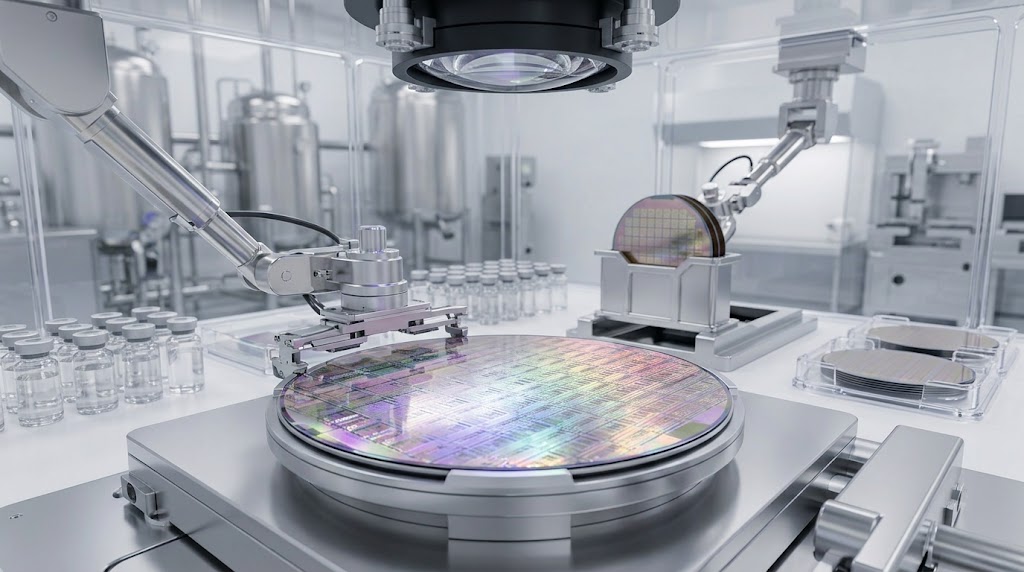
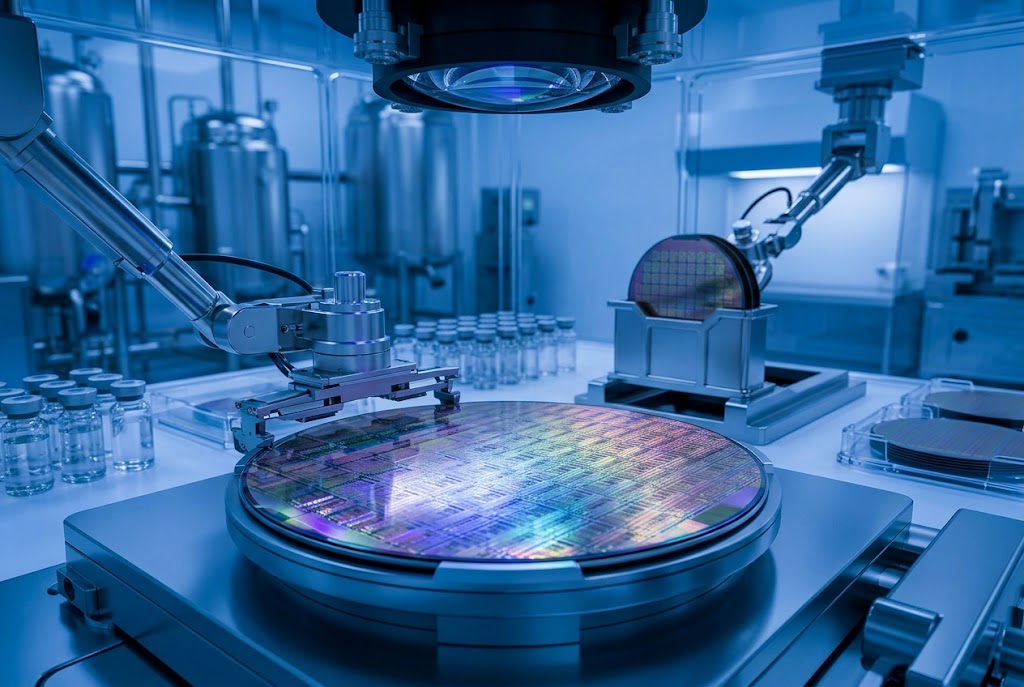
Photoresists define the microscopic circuit patterns on silicon wafers. Ultra-high purity solvents clean surfaces without leaving residues. CMP slurries planarize layers to ensure precise stacking. Specialty gases enable etching and deposition processes.
These materials are not commodities. They are highly engineered products with long qualification cycles. Switching suppliers requires months of testing and validation. This rigidity makes the supply chain vulnerable to even small disruptions.
The reliance on Gulf-sourced base chemicals adds another layer of complexity. Many precursor materials for these high-tech chemicals originate in the Middle East. Disruptions in this region cascade quickly into the Asian processing hubs.
Specific Bottlenecks in Photoresist and Solvent Supply
ArF photoresist precursors represent one of the most severe current bottlenecks. Major producers like Tokyo Ohka and JSR face significant input shortages. These companies rely on specific aromatic compounds from Gulf refineries.
The delayed restart of UAE production facilities exacerbates this issue. Hydrogen peroxide ultra-high purity grades also remain in short supply. This chemical is vital for cleaning wafers between processing steps.
Specialty fluorinated solvents face similar constraints. These solvents are used in advanced etching processes for next-generation chips. Their production requires complex fluorination chemistry that few facilities can perform.
ArF photoresist precursors are critical for sub-7nm node production.
Hydrogen peroxide purity standards exceed 99.9999 percent for semiconductor use.
Fluorinated solvents require specialized handling and containment infrastructure.
These specific chemical shortages prevent fabs from running at full capacity. Even if other materials are available, the lack of one key component halts the entire line. This dependency creates a fragile supply network prone to cascading failures.
Impact on Major Semiconductor Manufacturers
TSMC, Samsung and Intel operate some of the most advanced fabrication facilities in the world. These fabs consume massive volumes of electronic chemicals daily. The current 82 percent supply level forces them to throttle production rates.
Throttling reduces overall chip output significantly. It also increases the cost per unit as fixed overheads spread across fewer wafers. Manufacturers must prioritize high-margin products over commodity chips.
This prioritization starves other sectors of necessary components. Automotive, consumer electronics and industrial automation industries feel the pinch first. Their orders get pushed back in favor of more profitable data center and AI chips.
The financial impact on these semiconductor giants is substantial. Lost revenue from reduced output runs into billions of dollars quarterly. However, the reputational damage from missed delivery commitments may prove more lasting.
Extended Lead Times and Downstream Effects
Chip delivery lead times have stretched to 26 to 32 weeks. This duration is double the pre-crisis normal of 12 to 16 weeks. Customers must place orders nearly eight months in advance to secure supply.
Such long lead times make demand forecasting incredibly difficult. Technology markets move fast. A chip ordered today may be obsolete by the time it arrives. This mismatch leads to inventory gluts or severe shortages depending on market shifts.
Original equipment manufacturers struggle to plan their own production schedules. They cannot commit to customer deliveries without guaranteed chip supplies. This uncertainty slows down innovation and product launches across the tech sector.
Small and medium-sized enterprises suffer disproportionately. They lack the purchasing power to secure priority allocation from major fabs. Many face existential threats as they wait months for critical components.
Strategic Sourcing Adjustments for Tech Procurement Teams
Procurement managers must adopt a more proactive and collaborative approach. Building deeper relationships with chemical suppliers provides early warning of potential shortages. Sharing long-term demand forecasts helps suppliers plan their capacity better.
Diversifying the supplier base for critical electronic chemicals is essential. Qualifying alternative sources for photoresists and solvents reduces single-point failure risks. Although qualification is costly, it provides invaluable insurance against future disruptions.
Inventory strategies must shift from lean to resilient. Holding larger buffers of critical chemicals protects against sudden supply cuts. This approach ties up capital but ensures continuous fab operation.
Collaborating with semiconductor manufacturers on material specifications can help. Standardizing certain chemical grades across different processes increases flexibility. It allows fabs to substitute materials more easily during shortages.
The Road to Full Supply Chain Recovery
Reaching 100 percent supply levels will take time. Gulf production facilities must fully restore their output capacities. Asian processors need to rebuild their inventory buffers of base chemicals.
Regulatory approvals for restarted facilities also add delay. Safety and environmental inspections must be completed before full production resumes. These bureaucratic steps cannot be rushed without compromising safety.
Investment in regional chemical production may accelerate recovery. Building precursor facilities closer to end-users reduces transportation risks. This nearshoring trend gains momentum as companies seek greater supply chain control.
Technological innovations in chemical recycling could also help. Recovering valuable materials from waste streams reduces dependence on virgin feedstocks. This circular approach enhances sustainability and supply security simultaneously.
The Bottom Line for Semiconductor Supply Chains
The electronic chemicals supply crisis is far from over. At 82 percent capacity, the semiconductor industry remains vulnerable to further shocks. Photoresist and solvent bottlenecks continue to constrain global chip production.
Procurement professionals must prioritize supply chain resilience over cost efficiency. Diversification, increased inventory buffers and strong supplier partnerships are key. These strategies protect against the extended lead times and volatility characterizing the current market.
Ready to source Isopropyl Alcohol (IPA) (99.7%) from verified global suppliers? Explore competitive offers on our platform today.
Sources
https://www.tsmc.com/english/investorRelations/2026-supply-chain-update.html
https://www.samsung.com/global/business/semiconductor/news/2026/electronic-chemicals-status-report
https://www.intel.com/content/www/us/en/newsroom/resources/2026-fab-material-shortage-analysis.html