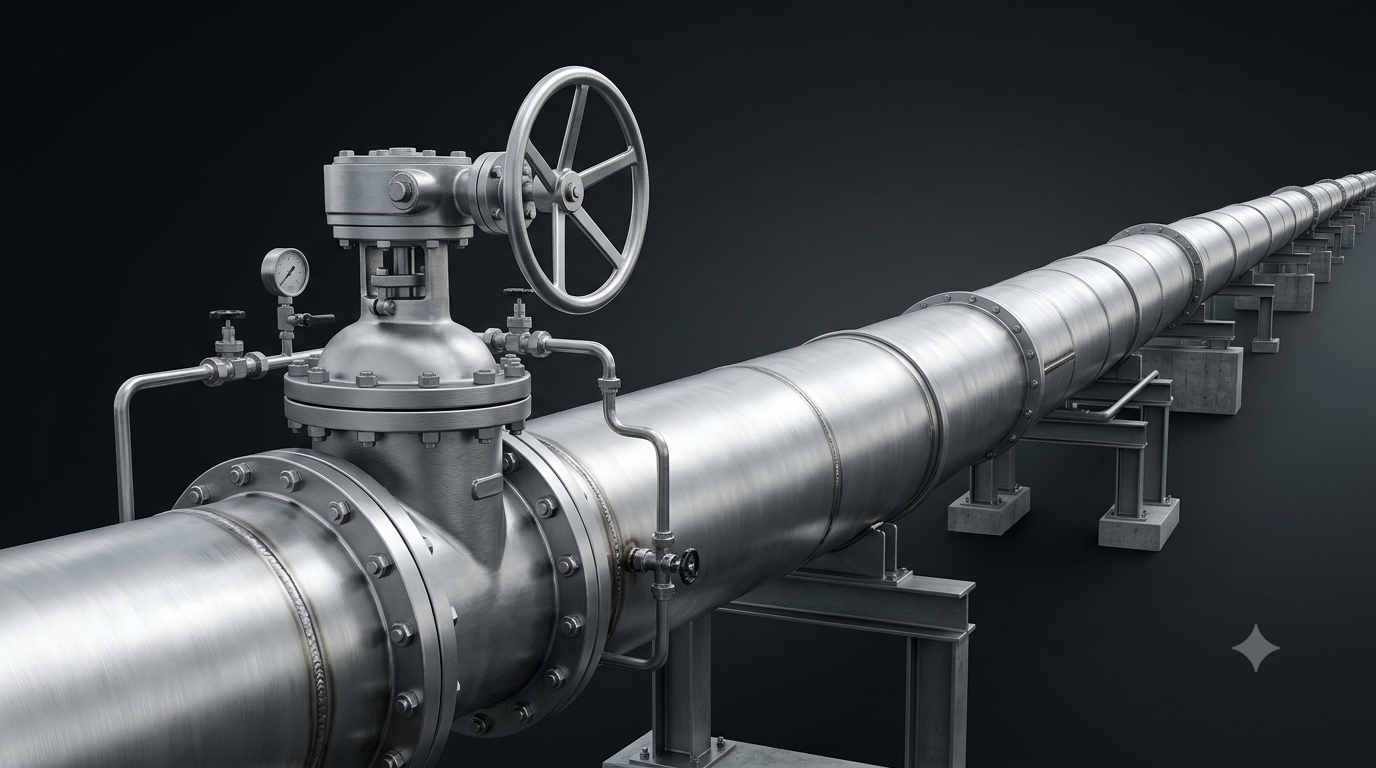
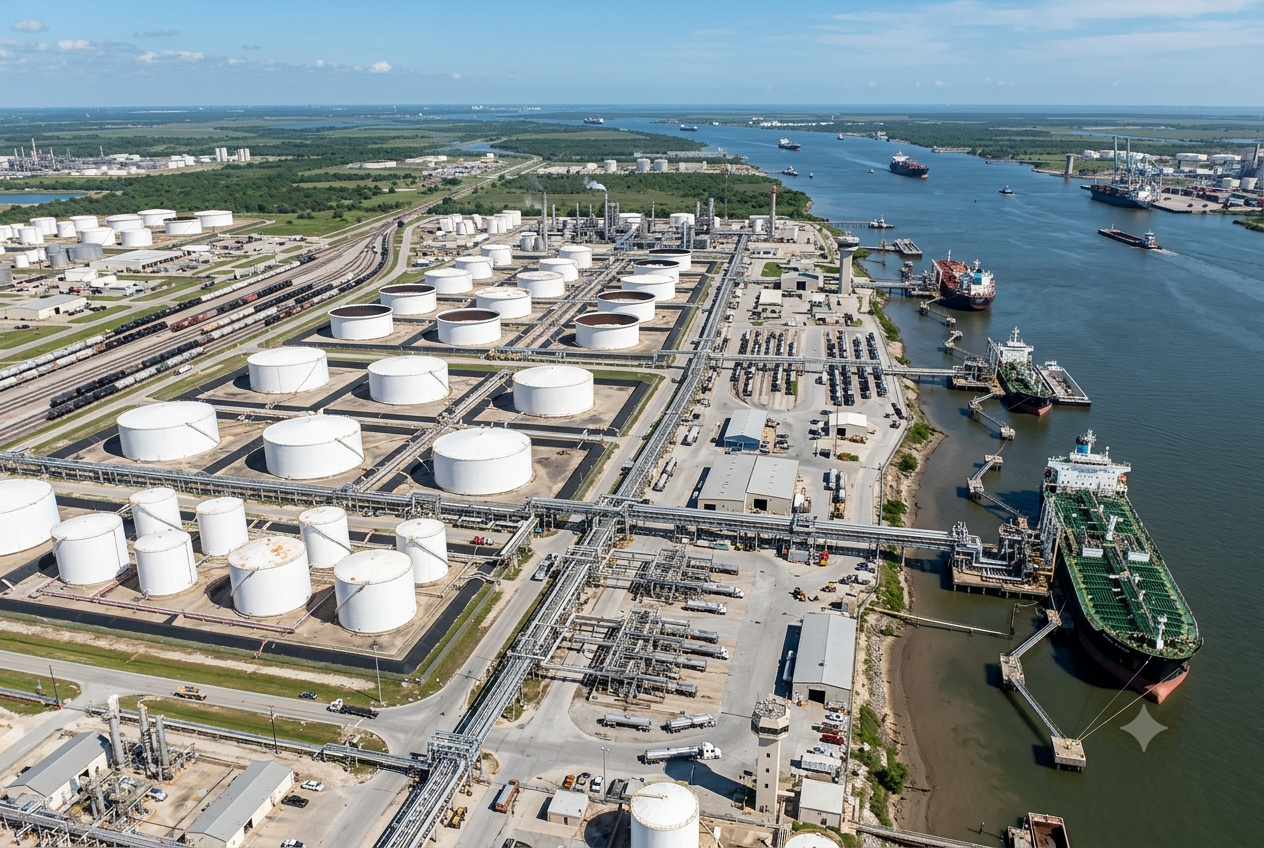
Enterprise Products Partners co-CEO Jim Teague will retire on January 4 after 28 years helping lead the largest publicly traded midstream energy partnership in North America. Randall Fowler, who has served as co-CEO alongside Teague, will continue as sole chief executive. For chemical procurement teams managing supply chains that depend on pipeline infrastructure to move ethylene, propylene, NGLs and petrochemical feedstocks, leadership transitions at companies controlling critical logistics assets carry implications beyond routine executive changes. Enterprise Products operates over 50,000 miles of pipelines, 260 million barrels of storage capacity and extensive fractionation facilities that form essential links between petrochemical producers, chemical manufacturers and end markets.
Why Enterprise Products Matters to Chemical Buyers
Enterprise Products sits at the center of North American petrochemical logistics infrastructure. The company transports natural gas liquids (NGLs) from production regions to fractionation plants where mixed streams get separated into ethane, propane, butane and natural gasoline. These components serve as primary feedstocks for ethylene crackers, propylene production units and alkylation plants that supply the building blocks for plastics, polymers, solvents and specialty chemicals.
The company also operates petrochemical pipelines that move ethylene and propylene from Gulf Coast production hubs to chemical plants across Texas, Louisiana and the broader Southeast. For buyers sourcing monoethylene glycol, styrene monomer, acrylonitrile or polyethylene resins, the availability and pricing of these materials connects directly to the infrastructure Enterprise Products operates.
When leadership changes at a company controlling this much logistics capacity, buyers need to understand whether strategic priorities might shift in ways that affect capacity access, tariff structures or future infrastructure investments. A 28-year tenure like Teague's represents institutional knowledge and relationship continuity that does not transfer instantly to a new leadership structure.
The Significance of a 28-Year Leadership Tenure
Teague's 28-year run at the helm of Enterprise Products spans the entire modern era of U.S. shale development, petrochemical capacity expansion and infrastructure buildout that transformed North America from a net importer of petrochemicals to a major exporter. He led the company through multiple industry cycles, regulatory shifts and competitive dynamics that shaped how chemical feedstocks move from wellhead to plant gate.
Long CEO tenures create stability in customer relationships, operational philosophy and capital allocation priorities. Chemical companies that built pipeline connections to Enterprise Products infrastructure or negotiated long-term transportation agreements over the past two decades dealt with a consistent leadership team and predictable decision-making framework.
This continuity matters because midstream infrastructure requires decade-long planning horizons. A pipeline project from initial feasibility study through permitting, construction and commissioning typically spans five to seven years. Leadership teams that maintain consistent strategic direction over these timeframes reduce project risk and improve the likelihood that announced capacity expansions actually get completed on schedule.
Teague's retirement removes one of the two leaders who guided Enterprise Products through its period of greatest growth. While Fowler remains as sole CEO and brings his own deep company experience, the transition still represents a shift in governance structure and decision-making dynamics that chemical buyers should monitor.
From Co-CEO to Solo Leadership
Enterprise Products operated under a co-CEO structure with Teague and Fowler sharing executive authority. This model is relatively rare among large public companies but can work effectively when both leaders have complementary skills and established working relationships.
The move to a sole CEO structure under Fowler simplifies governance and creates clearer accountability for strategic decisions. It also concentrates decision-making authority in a single individual rather than requiring consensus between two executives who might have differing views on capital allocation, growth priorities or operational strategy.
For chemical buyers, the practical impact depends on whether Fowler continues the strategic direction established under the co-CEO model or adjusts priorities based on his own assessment of market opportunities and risks. Key areas to watch include capital spending on new petrochemical infrastructure, maintenance and expansion of existing pipeline systems and commercial terms for transportation and storage services.
A new sole CEO often conducts strategic reviews of major capital projects, customer contracts and operational priorities within the first six to 12 months. Chemical companies with long-term transportation agreements or facilities dependent on Enterprise Products infrastructure should expect relationship-building outreach from Fowler's team as the new structure takes shape.
Enterprise Products' Role in Petrochemical Supply Chains
Understanding Enterprise Products' infrastructure footprint helps explain why leadership changes at the company matter to chemical procurement. The company operates natural gas processing plants that extract NGLs from raw natural gas streams. These NGLs flow through pipelines to fractionation facilities that separate the mixed stream into purity-grade ethane, propane, normal butane, isobutane and natural gasoline.
Ethane serves as the primary feedstock for steam crackers producing ethylene, the highest-volume petrochemical globally and the building block for polyethylene, monoethylene glycol, ethylene oxide, styrene and vinyl chloride. Propane can be dehydrogenated to produce propylene, which feeds polypropylene production and serves as a feedstock for acrylonitrile, propylene oxide and cumene.
Enterprise Products also operates dedicated pipelines that transport finished ethylene and propylene from production facilities to chemical plants. These pipelines enable chemical producers to source feedstocks without relying on truck or rail transport, reducing logistics costs and improving supply reliability.
For buyers managing chemical supply chains, Enterprise Products infrastructure provides the physical connectivity that determines whether a supplier can deliver product on time and at competitive cost. A pipeline outage, capacity constraint or tariff increase at Enterprise Products directly affects the delivered cost of petrochemical derivatives even if buyers never contract directly with the midstream company.
Capital Allocation and Infrastructure Investment Priorities
Midstream companies allocate capital based on expected returns from new infrastructure, maintenance requirements for existing assets and competitive positioning relative to other pipeline and storage operators. Leadership transitions sometimes trigger reassessments of which projects receive funding and which get deferred or canceled.
Enterprise Products maintains one of the largest capital budgets in the midstream sector, typically spending $2 billion to $3 billion annually on growth projects and maintenance. These investments include new pipeline connections to emerging production areas, expansions of fractionation capacity, additional storage terminals and upgrades to existing systems.
Chemical buyers benefit when midstream companies invest in infrastructure that increases feedstock availability, improves logistics flexibility or reduces transportation costs. A new ethylene pipeline connecting Gulf Coast crackers to chemical plants in the Southeast creates additional supply optionality for buyers in that region. An expanded propane export terminal improves domestic propane availability by reducing the volume that gets shipped overseas.
Fowler's capital allocation priorities will become clear through 2026 as Enterprise Products announces its annual budget and project pipeline. Buyers should monitor whether the company maintains aggressive growth spending or shifts toward a more conservative capital program focused on returns to unitholders through distributions.
How Leadership Changes Affect Customer Relationships
Midstream companies maintain commercial teams that manage relationships with producers, chemical manufacturers and other customers using their infrastructure. These relationships involve long-term contracts that specify transportation volumes, tariff rates, storage fees and service commitments.
When senior leadership changes, customer-facing teams sometimes experience pressure to renegotiate terms, adjust service levels or reprioritize which customers receive preferential access to constrained capacity. A new CEO reviewing contract profitability might identify agreements signed years earlier that no longer meet current return targets.
Chemical companies with existing transportation or storage agreements through Enterprise Products should not expect immediate disruptions, as these contracts typically include strong legal protections and change-of-control provisions. However, buyers approaching contract renewals or seeking new capacity commitments should expect fresh commercial negotiations that may not rely on historical precedents or long-standing relationship dynamics.
Proactive relationship management becomes important during leadership transitions. Buyers should ensure their organizations maintain active dialogue with Enterprise Products commercial teams, communicate future capacity needs clearly and demonstrate that they represent valued, reliable customers worth retaining on favorable terms.
Regulatory and Compliance Continuity
Midstream infrastructure operates under extensive federal and state regulation covering pipeline safety, environmental protection, rate structures and service obligations. Companies like Enterprise Products maintain large compliance organizations that manage permits, regulatory filings, safety inspections and engagement with agencies including the Federal Energy Regulatory Commission (FERC) and Pipeline and Hazardous Materials Safety Administration (PHMSA).
Leadership transitions rarely disrupt day-to-day regulatory compliance, as these functions operate through established procedures overseen by specialized staff. However, strategic decisions about regulatory engagement, lobbying priorities and responses to proposed rule changes do flow from senior leadership.
Chemical buyers should watch whether Fowler's leadership brings changes to Enterprise Products' positions on environmental regulations, pipeline safety standards or infrastructure permitting processes. Companies that previously supported certain regulatory frameworks might adjust their positions based on new leadership priorities or changing political environments.
Broader Midstream Sector Leadership Trends
Enterprise Products' leadership transition occurs amid broader generational change across the energy and chemical sectors. Many executives who built midstream companies during the 1990s and 2000s are reaching retirement age, creating a wave of leadership successions over the next several years.
This generational transition brings new perspectives on capital allocation, sustainability commitments and growth strategies. Younger executives often prioritize returns to investors over aggressive growth, emphasize environmental performance and operational efficiency over pure volume expansion and focus on digital technologies and data analytics that previous generations adopted more slowly.
For chemical procurement teams, these industry-wide leadership changes may create opportunities to renegotiate commercial terms, access capacity that previous management teams allocated inefficiently or partner with midstream companies on supply chain optimization initiatives that benefit both parties.
What Chemical Buyers Should Watch in 2026
Several indicators will signal whether Fowler's solo leadership brings meaningful strategic shifts or represents continuity with Enterprise Products' historical direction. First, watch capital spending announcements and project approvals. A significant increase or decrease in growth capital compared to historical averages suggests shifting priorities around infrastructure expansion.
Second, monitor commercial announcements about new customer contracts, capacity expansions or service offerings. New contracts with chemical producers indicate continued focus on serving petrochemical logistics needs. Announcements emphasizing crude oil or natural gas infrastructure over petrochemical services might signal a strategic pivot.
Third, track quarterly earnings calls and investor presentations where Fowler will articulate strategic priorities and respond to questions about capital allocation and growth opportunities. The language used to describe petrochemical markets, customer relationships and infrastructure investments provides insight into how leadership views this segment relative to other business lines.
Fourth, observe personnel changes in commercial and operations leadership. A new CEO often brings in trusted lieutenants or reorganizes reporting structures to align with strategic priorities. Significant turnover in customer-facing roles could disrupt established relationships, while continuity suggests stable commercial strategies.
Risk Mitigation for Infrastructure-Dependent Supply Chains
Chemical buyers whose supply chains depend heavily on Enterprise Products infrastructure should take several steps to mitigate risks associated with the leadership transition. First, review existing transportation and storage contracts to understand terms, renewal dates and service commitments. Identify contracts approaching expiration within the next 18 to 24 months and begin renewal discussions early.
Second, assess alternative logistics options for critical materials. For feedstocks or products where Enterprise Products provides the only practical transportation option, evaluate whether truck, rail or alternative pipeline routes could serve as backup options during outages or service disruptions.
Third, maintain open communication channels with Enterprise Products commercial teams. Schedule regular business reviews, share forecasts of future capacity needs and demonstrate your organization's value as a reliable, growing customer.
Fourth, monitor competitor activities and alternative infrastructure investments. Other midstream companies including Energy Transfer, MPLX and Targa Resources also operate significant petrochemical logistics assets. Understanding the competitive landscape helps buyers assess whether Enterprise Products maintains competitive terms or whether alternatives offer better service or pricing.
The Infrastructure Stability Question
Long-tenured CEOs provide stability and predictability that shorter-tenure leaders may not match. Teague's 28 years at Enterprise Products meant customers, investors and industry partners dealt with a known quantity whose decision-making patterns and strategic priorities were well understood.
Fowler brings continuity through his own long tenure with the company and his co-CEO experience, but the shift to solo leadership still introduces uncertainty. How he exercises sole decision-making authority, which advisors he relies on and how he balances competing priorities will become clear only through his actions over coming quarters.
For critical infrastructure providers, stability matters. Chemical plants connected to Enterprise Products pipelines need confidence that the infrastructure will remain operational, well-maintained and accessible on reasonable commercial terms for decades. Leadership transitions that maintain strategic continuity support this confidence, while transitions that bring significant strategic shifts create uncertainty.
The early months of Fowler's sole CEO tenure will provide signals about whether Enterprise Products maintains its historical approach or adjusts course in meaningful ways. Chemical buyers should pay attention not because dramatic changes are likely, but because even modest shifts in priorities or commercial terms at a company controlling this much infrastructure can ripple through petrochemical supply chains in ways that affect costs, reliability and strategic optionality.
Ready to source Monoethylene Glycol from verified global suppliers? Explore competitive offers on our platform today.