What It Means for Downstream Chemical Demand
The Environmental Protection Agency has proposed a delay in enforcing several key vehicle emissions standards. This decision, rooted in political and economic considerations, will reverberate through the entire automotive chemical supply chain. By altering the timeline for stricter emissions controls, manufacturers and suppliers face a new set of market dynamics that affect catalyst production, specialty coatings, polymer formulations and advanced specialty chemicals.
Policy Details
The proposed delay covers the 2025 and 2026 model‑year vehicle standards for tailpipe will‑power emissions, including volatile organic compounds (VOCs), nitrogen oxides (NOx) and particulate matter. The EPA’s rationale centers on maintaining competitiveness for U.S. automakers and easing the burden on small and mid‑size manufacturers.
Key points:
Extension of current compliance date by 18 months.
Continued enforcement of stricter carbon monoxide limits.
Potential for a revised standard to be adopted in 2028.
Downstream Impact on Chemical Demand
Automotive chemical demand is tightly coupled to emissions regulations. A delay in standards will shift the demand curve for several product categories:
1. Automotive Catalysts
Catalysts are the first line of defense against harmful emissions. With a postponed deadline, OEMs can defer the rollout of next‑generation catalysts, keeping demand for existing formulations higher for longer.
Current catalysts (e.g., platinum–rhodium alloys) remain in use.
Reduced investment in platinum‑free alternatives.
Potential price stability for catalyst metals.
2. Specialty Coatings
Advanced coatings protect components from corrosion, reduce friction and improve fuel efficiency. The emphasis on meeting earlier standards has historically driven innovation in low‑VOC, high‑performance coatings.
Longer window for OEMs to adopt high‑temperature, low‑VOC paints.
Supply chain emphasis on conventional enamel systems.
Reduced urgency for nanostructured anti‑corrosion layers.
3. Polymeric Materials
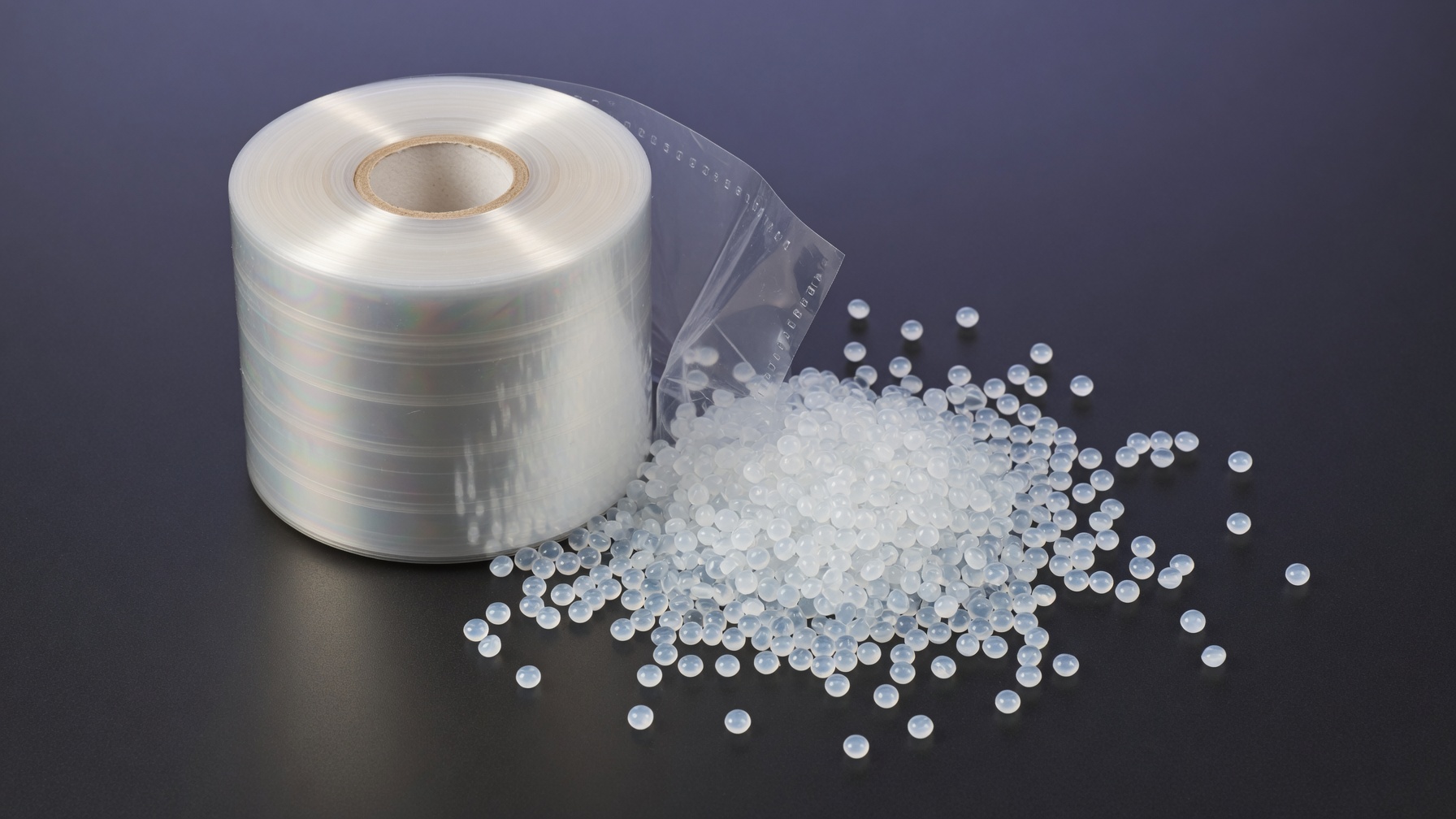
High‑performance polymers—such as polyether ether ketone (PEEK) and high‑density polyethylene (HDPE)—are used in catalytic housings, fuel lines and electrical components. Emissions standards influence polymer selection for weight reduction and durability.
Continuation of current polymer grades.
Delayed shift to advanced lightweight composites.
Stable demand for high‑temperature resistant polymers.
4. Specialty Chemicals
Specialty chemicals, including catalysts’ promoters, solvents, and additives, play a pivotal role in emissions control. The regulatory pause moderates the pace of new chemical development.
Reduced R&D spend on next‑generation additives.
Stabilized demand for established solvents.
Potential backlog of innovation for 2028.
Strategic Implications for Procurement Professionals
Understanding these downstream effects allows procurement teams to align sourcing strategies with regulatory timelines. Key actions include:
Scenario Planning: Model supply needs for both the extended timeline and a potential 2028 standard revision.
Supplier Diversification: Secure multiple sources for catalyst metals and specialty coatings to mitigate price volatility.
Inventory Management: Maintain strategic stock of high‑value edukation chemicals to buffer against supply disruptions.
Innovation Partnerships: Collaborate with OEMs on joint R&D to accelerate transition to new catalyst technologies once standards resume.
Risk Monitoring: Track EPA updates and industry trade‑association statements to anticipate policy shifts.
Market Outlook
Short‑term demand for automotive catalysts and traditional polymers is expected to remain robust, supported by the extended compliance window. However, long‑term market dynamics will likely accelerate once the EPA reinstates stricter standards:
Higher catalyst metal prices due to increased demand for advanced formulations.
Shift toward low‑VOC, high‑performance coatings.
Growth in lightweight, high‑strength polymers to meet fuel‑efficiency goals.
Emergence of specialty chemicals tailored for next‑generation emissions control.
In summary, the EPA’s emissions delay offers a temporary reprieve for automotive manufacturers but also creates a window of opportunity for chemical suppliers to adjust production, pricing, and innovation strategies. Procurement professionals who proactively monitor regulatory developments and align supply chain tactics will position themselves advantageously for the eventual re‑implementation of stricter vehicle emissions standards.