Why Hormuz Matters for Chemical ESG Ratings
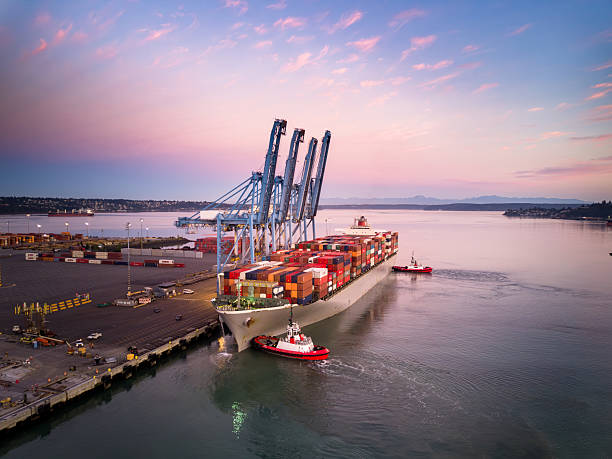
The Hormuz Strait, a narrow chokepoint through which roughly 20‑25% of global oil passes, is also a critical conduit for petrochemical raw materials. A maritime incident or geopolitical flare‑up can halt the flow of ethylene, propylene, and other feedstocks, instantly exposing chemical firms to supply chain risk. Investors now view such vulnerabilities as direct ESG liabilities, pushing companies to quantify and disclose resilience metrics in their ESG reports.
ESG Ratings: From Greenwashing to Risk‑Adjusted Accuracy
Traditional ESG ratings often treated supply chain risk as a footnote. Recent data shows that firms with transparent, data‑driven resilience plans receive higher ratings, as rating agencies link supply chain stability to long‑term value creation.
Risk exposure now a core ESG metric
Resilience plans influence score multipliers
Transparency drives investor confidence
Supply Chain Resilience in the Chemical Sector
Chemical companies operate on tight margins and complex logistics. A single choke point can cascade into production halts, safety incidents, and regulatory penalties. Resilience therefore means building redundancy, monitoring real‑time logistics, and maintaining strategic inventories.
Key Resilience Components
Multi‑Origin Sourcing – Diversify feedstock suppliers across geographies to avoid single‑source lock‑ins.
Dynamic Procurement Platforms – Use AI‑driven analytics to predict disruptions and reallocate orders.
Strategic Stockpiles – Maintain buffer inventories for critical feedstocks with a 30‑60 day safety horizon.
Supplier ESG Alignment – Ensure upstream partners meet your ESG standards to avoid reputational spill‑over.
Investors demand hard numbers. Chemical firms should embed the following KPI’s into ESG disclosures:
Supply‑chain continuity index (SC‑CI) – % of critical feedstock sourced from >2 regions.
Average disruption response time – time from alert to corrective action.
Supplier ESG compliance score – % of suppliers meeting your ESG criteria.
Carbon footprint of logistics – CO2e per ton transported.
Reporting Best Practices
Use a single, auditable framework (e.g., GRI, SASB, TCFD) to present resilience data. Align supply‑chain metrics with broader ESG themes such as environmental impact, social responsibility, and governance.
Case Study: A Forward‑Thinking Chemical Group
XYZ Chemical, after the Hormuz incident, shifted from 80% of ethylene sourcing in the Middle East to a 35‑65 split across Asia, Europe, and North America. They integrated real‑time maritime tracking, reduced average lead times by 12%, and increased their ESG rating by 0.7 points in the next quarter.
Lessons Learned
Early diversification pays off when crises strike.
Investing in digital supply‑chain visibility yields quick ROI.
Transparent reporting transforms risk into a competitive advantage.
Action Plan for Chemical Companies
1. Audit current supply‑chain concentration.
2. Map alternative sourcing routes and cost implications.
3. Implement AI‑enabled procurement tools.
4. Set measurable resilience KPIs and embed them in annual ESG reports.
5. Engage suppliers on ESG expectations and audit compliance.