In commodity chemicals, feedstock cost remains one of the most important competitive advantages.
Regardless of short-term market cycles, producers with structurally lower raw material costs generally maintain stronger operating margins and greater commercial flexibility.
The US Gulf Coast continues to demonstrate this principle through its access to abundant shale gas-derived ethane.
For procurement professionals, understanding feedstock economics is essential for evaluating supplier competitiveness.
Why Ethane Matters
Ethane is a natural gas liquid primarily used as feedstock for steam crackers producing:
Compared with many naphtha-based systems, ethane cracking often provides lower production costs when natural gas prices remain competitive.
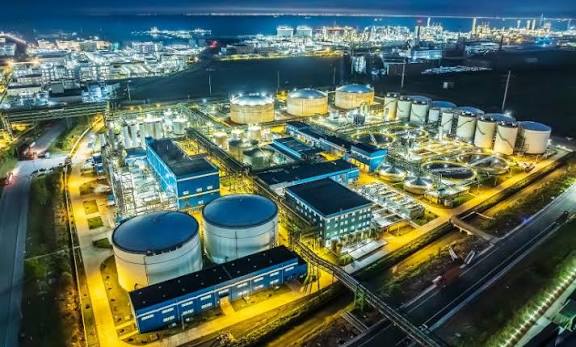
The US Gulf Coast's Structural Advantage
Several factors support the competitiveness of US Gulf Coast producers:
Abundant shale gas resources.
Large ethane availability.
Integrated petrochemical infrastructure.
Modern steam crackers.
Extensive export terminals.
Efficient pipeline networks.
These structural advantages extend beyond individual market cycles and influence long-term investment decisions.
Feedstock Economics Shape Global Competition
Different regions rely on different primary feedstocks.
For example:
United States
Ethane.
Natural gas liquids.
Europe
Parts of Asia
Mixed feedstock systems.
Naphtha.
LPG.
Imported raw materials.
These differences create meaningful variations in production costs between regions.
Lower Feedstock Costs Improve Commercial Flexibility
When feedstock costs remain competitive, producers may benefit through:
Stronger operating margins.
Greater pricing flexibility.
Higher plant utilisation.
Improved export competitiveness.
Better resilience during industry downturns.
These characteristics often influence supplier behaviour during contract negotiations.
Procurement Should Monitor Feedstock Markets
Understanding supplier competitiveness requires monitoring upstream raw material markets alongside finished chemical prices.
Important indicators include:
Together, these indicators provide valuable insight into future pricing trends.
Feedstock Advantage Does Not Eliminate Market Risk
While ethane provides an important structural cost advantage, it does not insulate producers from broader industry challenges.
US Gulf Coast chemical companies must still manage:
Global demand fluctuations.
Export market competition.
Freight and logistics costs.
Capacity additions.
Customer inventory cycles.
Energy market volatility.
Feedstock leadership strengthens competitiveness, but overall profitability continues to depend on market conditions and operational efficiency.
Why Feedstock Economics Matter to Procurement
Procurement professionals purchasing commodity chemicals should understand that supplier pricing is heavily influenced by feedstock economics.
Important cost drivers include:
Monitoring these variables provides early insight into future pricing movements and supplier competitiveness.
US Gulf Coast Producers Continue Supporting Global Supply
The structural cost advantage of shale gas-derived ethane has encouraged continued investment in US petrochemical infrastructure.
Competitive strengths include:
Large-scale integrated production.
Reliable feedstock availability.
Modern manufacturing assets.
Export-oriented logistics.
Access to international markets.
Operational flexibility.
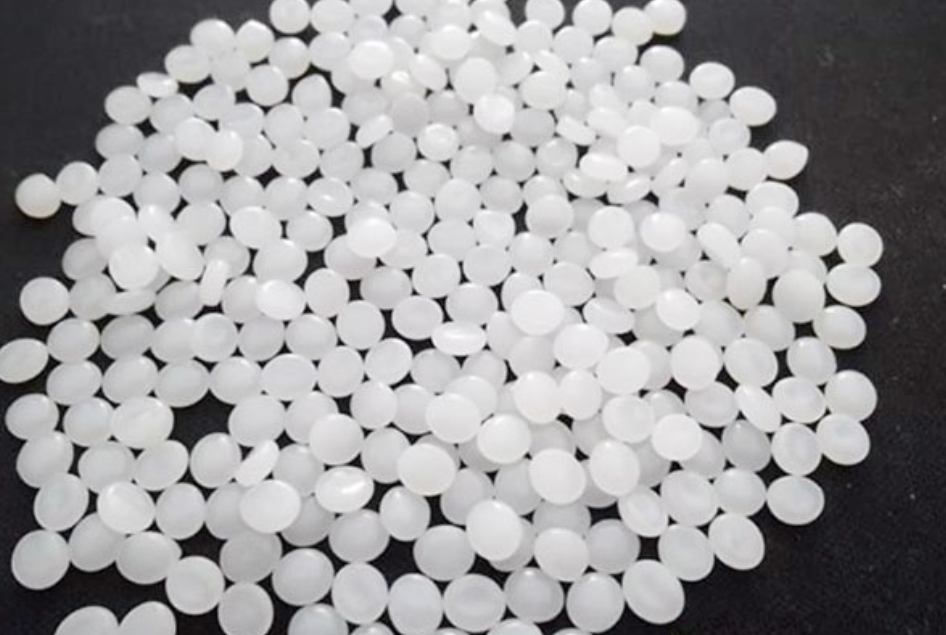
These factors position US Gulf Coast producers as important suppliers to global polyethylene, ethylene derivatives and other commodity chemical markets.
Procurement Priorities for H2 2026
Companies sourcing commodity chemicals should focus on:
Comparing supplier feedstock exposure.
Monitoring regional cost competitiveness.
Diversifying sourcing across production regions.
Tracking ethane and naphtha price trends.
Evaluating logistics and export capacity.
Reviewing long-term supply agreements.
Integrating feedstock intelligence into supplier evaluations.
These actions improve procurement resilience while strengthening commercial negotiations.
Looking Ahead to H2 2026
The global chemical industry continues to demonstrate that feedstock economics remain one of the strongest determinants of long-term competitiveness. Access to abundant shale gas-derived ethane provides US Gulf Coast producers with a structural advantage that extends beyond temporary market disruptions. Lower feedstock costs support stronger operating margins, greater pricing flexibility and continued investment in export-oriented petrochemical production.
For procurement professionals, understanding regional feedstock differences is increasingly important when evaluating supplier competitiveness. While European and Asian producers may face different cost structures depending on their reliance on naphtha or imported feedstocks, US Gulf Coast manufacturers continue benefiting from integrated infrastructure and domestic natural gas resources. These structural differences should be incorporated into sourcing strategies alongside quality, logistics, financial stability and supply continuity considerations.
The key lesson for H2 2026 is that commodity chemical competitiveness begins with feedstock selection. Procurement organisations that monitor ethane markets, regional production economics and supplier cost structures will be better positioned to negotiate effectively, anticipate pricing trends and build resilient global sourcing strategies.
Ready to source ethylene derivatives, polyethylene resins and other commodity chemicals from verified global suppliers with competitive feedstock economics? Explore competitive offers on our platform today.