Supply Dynamics Behind the Rally
Ethylene glycol (EG) futures have climbed sharply in recent weeks, driven by a confluence of supply-side factors. Global refining capacity has been constrained by maintenance shutdowns, while a stronger U.S. dollar has made imports more expensive for many producers. At the same time, demand from the automotive and petrochemical sectors—key consumers of EG—has outpaced the available supply, pushing prices higher.
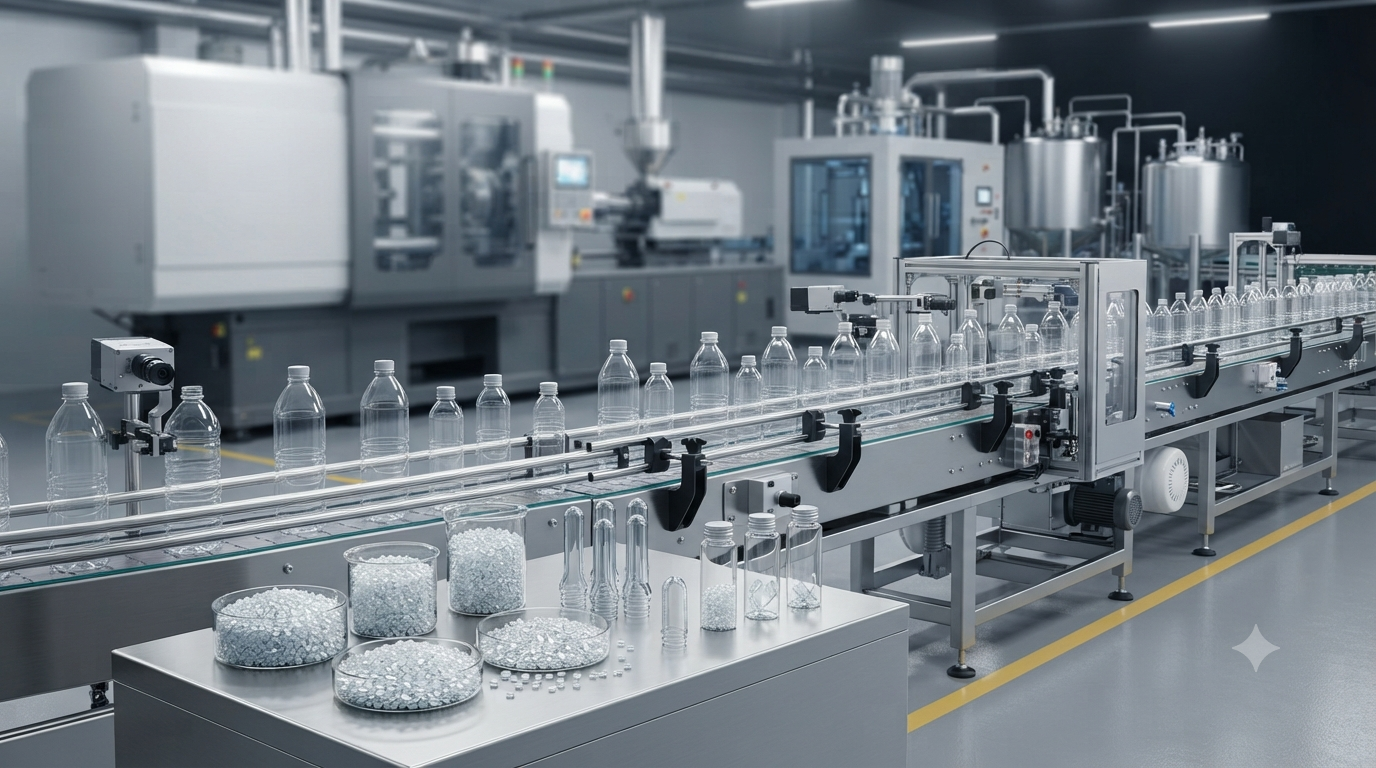
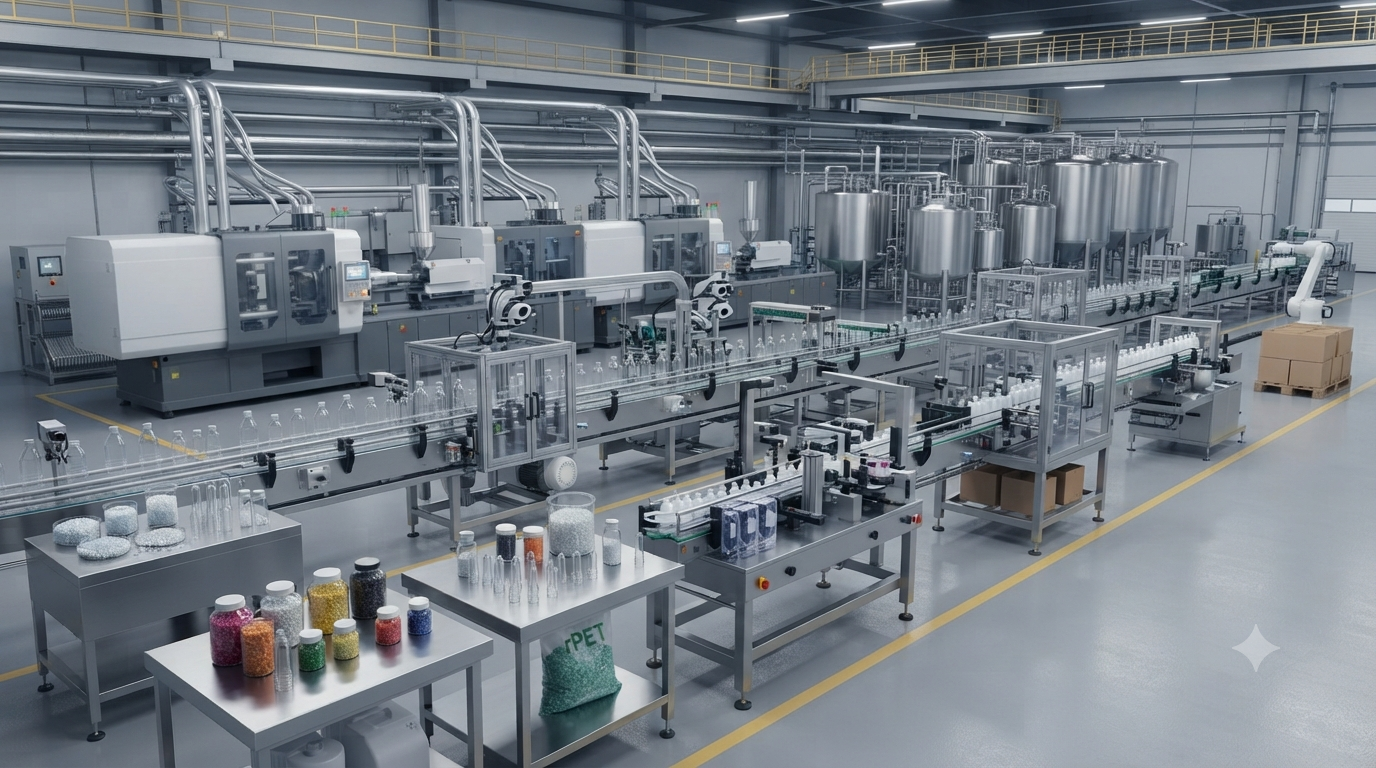
These moves have not gone unnoticed by the PET resin market. Since PET is synthesized from ethylene glycol and terephthalic acid, any uptick in EG costs translates directly into higher resin production expenses. The ripple effect has already begun to appear in the pricing of PET bottles and containers used throughout the food and beverage industry.
Impact on PET Resins
Rising ethylene glycol prices are increasing cost pressure on PET packaging resins used in food and beverage containers. The feedstock cost now represents a larger share of the overall resin price, which historically hovered around 30-35% of total PET costs. With EG prices up by nearly 15% in the last quarter, the feedstock component has surged to approximately 40%.
The result is a noticeable uptick in PET resin pricing across the supply chain. Manufacturers are supporters of smaller, regional PET producers who can absorb higher feedstock costs through economies of scale, but larger producers often pass the expense onto buyers. Food companies, in particular, are feeling the squeeze as packaging costs rise.
Cost Implications for Food Packaging
Producers and Distributors
Food and beverage producers now face higher material costs for PET containers, which can erode margins if not passed on to consumers. The increased costugang of PET resins has spurred some brands to explore alternative packaging materials such as HDPE or biodegradable polymers, though these options come with their own trade-offs in terms of performance and consumer perception.
Retailers and Wholesalers
Retailers, especially those focused on premium or organic products, are revisiting their packaging strategies. They are negotiating longer-term contracts with PET suppliers to lock in prices, or they are shifting to smaller bottle volumes to reduce material usage. The goal is to balance cost containment with maintaining product integrity.
Strategic Procurement Responses
Long-Term Contracts: Locking in EG or PET resin prices through multi-year agreements can provide price stability.
Feedstock Hedging: Utilizing financial instruments or futures contracts to hedge against price spikes.
Supplier Diversification: Sourcing from multiple PET producers to mitigate supply disruptions.
Material Innovation: Investing in research for alternative resins or recycled PET to reduce reliance on virgin ethylene glycol.
Demand-Side Measures: Optimizing packaging design to use less material without compromising product safety.
Food manufacturers are increasingly working closely with packaging suppliers to co-develop solutions that balance cost, sustainability, and regulatory compliance. Joint investment in technology that improves PET recycling rates is also gaining traction, aiming to lower future feedstock dependence.
Looking Ahead
While the current EG rally presents challenges, it also signals opportunities for innovation within the packaging sector. Companies that can adapt quickly—through strategic sourcing, material diversification, and process optimization—are likely to emerge stronger. Monitoring feedstock trends remains essential for procurement teams, as EG price volatility could continue to shape the economics of PET resin and, by extension, the cost structure of food and beverage packaging.
Why Procurement Teams Should Monitor Feedstock Markets
Packaging costs often receive less attention than agricultural commodities, yet they represent a significant component of total food manufacturing expenses. Monitoring upstream feedstock markets helps procurement teams identify emerging cost pressures before they appear in packaging quotations.
Tracking ethylene glycol alongside crude oil, PTA and PET resin markets provides a more complete understanding of future packaging cost trends, enabling businesses to make more informed sourcing and budgeting decisions.Why Packaging Costs Matter Beyond Resin Prices
While PET resin is only one component of total packaging costs, it is among the most significant material inputs for beverage and food container manufacturers. If higher ethylene glycol prices persist, resin producers may face increased production costs that could gradually influence contract pricing for bottles, jars and other food-grade packaging.
However, the final impact on food manufacturers depends on several factors, including feedstock availability, energy costs, production capacity and customer demand. Procurement teams should therefore view ethylene glycol as one indicator within a broader packaging cost landscape rather than a standalone predictor of price changes.
What Procurement Teams Should Monitor
Feedstock markets provide valuable early signals for future packaging costs. Procurement professionals should monitor several interconnected indicators rather than relying on a single commodity price.
Key indicators include:
Ethylene glycol price movements.
Purified terephthalic acid (PTA) market trends.
PET resin pricing and production capacity.
Crude oil and naphtha feedstock costs.
Packaging supplier pricing announcements.
Demand trends in the beverage and packaged food sectors.
Following these markets together helps buyers identify whether cost increases are likely to be temporary or part of a broader pricing trend.
Strengthening Packaging Procurement Strategies
Packaging procurement benefits from the same disciplined approach used for raw material sourcing. Monitoring upstream petrochemical markets alongside supplier performance enables manufacturers to respond more effectively to changing market conditions.
Best practices include:
Maintain regular communication with packaging suppliers regarding resin availability.
Review long-term supply agreements where appropriate.
Track feedstock trends alongside packaging quotations.
Diversify qualified packaging suppliers where practical.
Incorporate packaging market intelligence into procurement forecasts.
These measures can improve budgeting accuracy while reducing exposure to unexpected material cost fluctuations.
What Buyers Should Watch Next
The recent rally in ethylene glycol prices serves as a reminder that food packaging costs are influenced by developments across global petrochemical supply chains. Although current price increases are largely supported by supply-side factors, procurement professionals should monitor whether these trends persist and begin influencing PET resin pricing.
For food manufacturers, combining feedstock intelligence with broader market indicators—including energy prices, packaging demand and supplier guidance—provides a stronger foundation for procurement planning. Businesses that monitor these upstream signals are better positioned to anticipate packaging cost movements before they affect production budgets and finished food products.