Conflict-driven supply constraints have given European petrochemical crackers a temporary pricing reprieve, even as weak demand continues to weigh on the market. For producers, tighter availability has created breathing room after a prolonged period of margin pressure, excess capacity and sluggish industrial consumption.
The improvement remains fragile. European buyers still face a market where supply disruptions can lift prices quickly while underlying demand remains too weak to support a broad-based recovery. For chemical traders and procurement teams, the current environment requires a careful balance between short-term pricing opportunities and longer-term supply risk.
Why European Crackers Are Seeing Short-Term Pricing Support
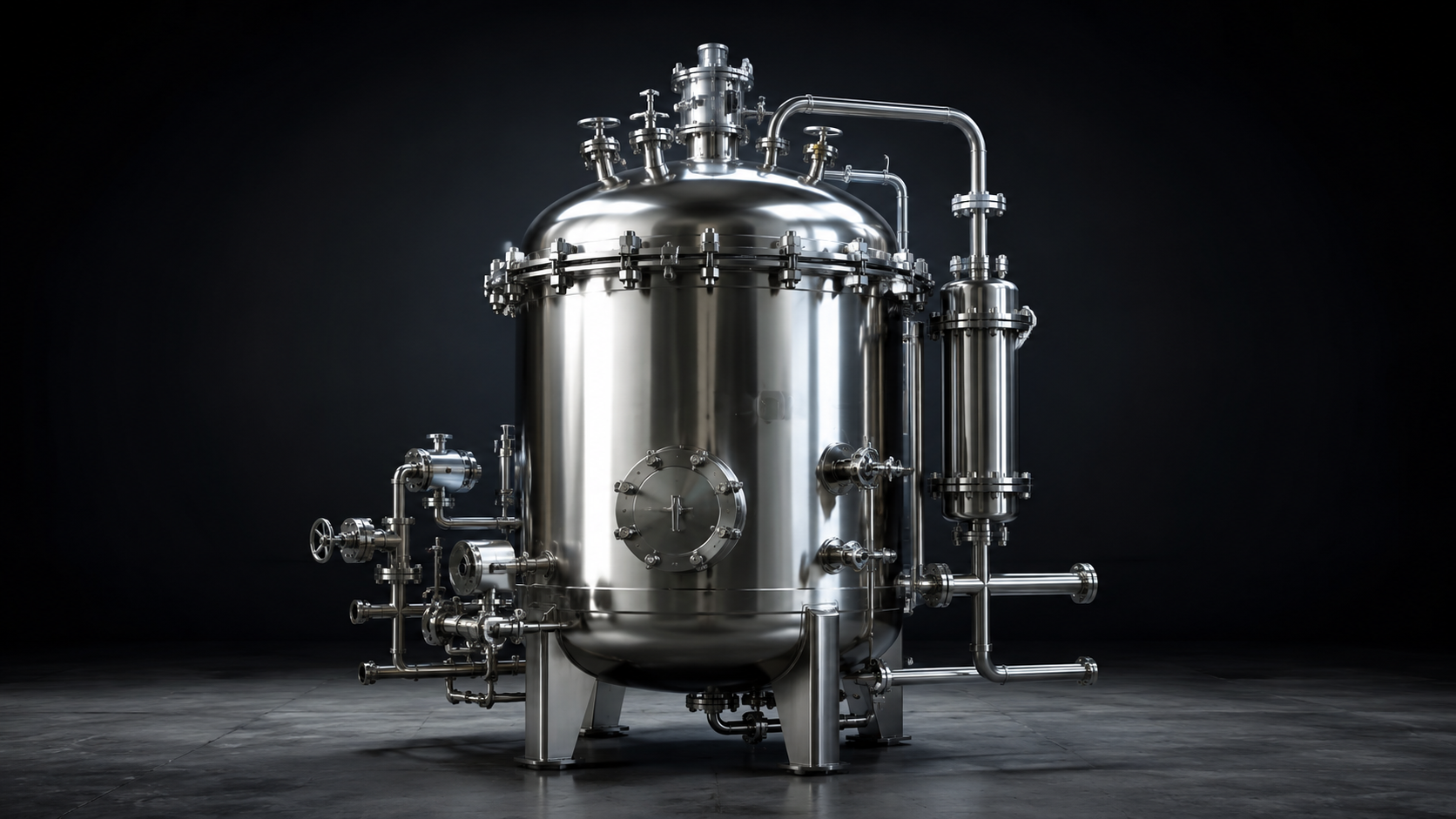
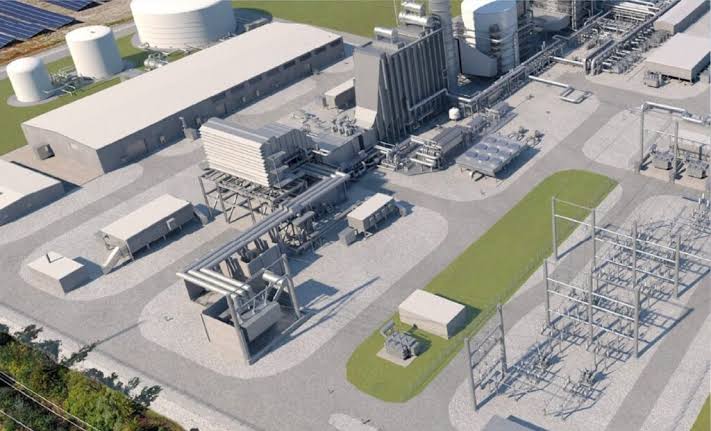
European crackers sit at the foundation of the region's petrochemical value chain. These facilities process feedstocks such as naphtha and other hydrocarbons into essential building blocks including ethylene and propylene, which then support the production of plastics, solvents, coatings, packaging materials and numerous industrial chemicals.
Conflict-related disruptions have tightened supply conditions and supported pricing across parts of the petrochemical market. When supply becomes less predictable, producers can gain temporary leverage even when customers remain cautious about purchasing.
This dynamic has created a short-term reprieve for European crackers. Higher price support can improve producer margins, reduce immediate pressure on uncompetitive facilities and give operators additional time to manage structural challenges.
However, the improvement does not remove the fundamental weaknesses affecting the sector. Europe continues to face a difficult combination of subdued consumption and substantial production capacity.
Weak Demand Still Limits the European Petrochemical Recovery
The biggest challenge for the region remains demand. Many downstream industries continue to purchase cautiously, limiting the ability of higher prices to translate into sustained market recovery.
Manufacturers across plastics, automotive, construction, packaging and consumer goods remain sensitive to production costs and economic uncertainty. Buyers often prefer to keep inventories lean, particularly when they expect demand to remain unpredictable.
This creates a difficult environment for cracker operators:
Higher pricing support does not automatically create stronger consumption. Producers may benefit from improved selling prices while downstream customers continue to reduce or delay purchases.
Inventory strategies remain conservative. Many buyers prefer short purchasing cycles, which can limit the volume of forward commitments and reduce visibility for producers.
Downstream margins remain under pressure. If feedstock and petrochemical prices rise faster than finished product demand, manufacturers may struggle to pass costs through to customers.
The result is a market where supply conditions can provide temporary support, but demand remains too weak to guarantee a durable improvement in operating conditions.
Overcapacity Remains a Structural Problem
Europe's petrochemical sector also continues to contend with excess capacity. Even when supply disruptions tighten availability, the underlying production base remains large relative to current demand.
Overcapacity can create intense competition among producers during normal market conditions. Plants may compete aggressively for customers, especially when downstream buyers reduce order volumes or delay purchasing decisions.
Conflict-driven supply pressure can temporarily change this balance by removing or restricting some available material. Yet the underlying capacity problem does not disappear. Once supply conditions normalise, competition can return quickly.
For European producers, this creates an important distinction between temporary price support and structural recovery. A stronger market requires more than a short-term supply shock. It requires a sustained improvement in consumption, better asset utilisation and a healthier balance between regional capacity and actual demand.
What the Current Market Means for Chemical Buyers
Procurement teams face a particularly complex market because the current pricing environment can shift quickly. A temporary reduction in availability may support higher prices today, while weak demand could limit price momentum later.
Buyers should therefore focus on flexibility rather than relying on a single market assumption. Procurement strategies should account for both the risk of further supply disruption and the possibility that weak demand will eventually reduce pricing pressure.
Key priorities include:
Monitor supply availability closely. Changes in plant operations, logistics and regional trade flows can quickly affect the amount of material available to buyers.
Avoid excessive dependence on one source. A diversified supplier base can reduce exposure to unexpected disruptions and improve negotiating flexibility.
Review inventory timing carefully. Large purchases may protect against sudden supply shortages, but excessive inventory can create financial risk if prices later weaken.
Compare regional offers. European buyers may benefit from evaluating alternative origins when logistics, specifications and delivered costs make imports commercially viable.
For traders, the market also creates opportunities to connect buyers with reliable supply while price signals remain uneven across regions.
Feedstock and Logistics Continue to Shape Pricing
European petrochemical pricing depends heavily on the relationship between feedstock costs, production availability and logistics. A disruption in one part of the supply chain can influence multiple downstream products.
Feedstock costs can affect cracker economics directly. When raw material prices rise, producers need stronger product pricing to protect margins. When product demand weakens, however, producers may struggle to pass higher costs through the value chain.
Logistics add another layer of uncertainty. Conflict-related disruption can affect shipping routes, insurance costs, transit times and the availability of vessels. These factors can raise delivered costs even when the underlying chemical price changes only modestly.
For importers and exporters, the delivered price often matters more than the headline market price. Procurement teams need to assess:
Origin and production availability
Freight and insurance costs
Transit time and route reliability
Product specifications and quality requirements
Storage requirements and local inventory levels
A competitive offer can lose its advantage if logistics introduce excessive uncertainty or delay.
The Impact Spreads Across Europe’s Downstream Chemical Chain
Cracker economics affect far more than the facilities that produce basic petrochemical feedstocks. Changes in availability and pricing can influence a broad range of downstream markets.
Ethylene and propylene derivatives support products used in packaging, construction, automotive manufacturing, coatings, adhesives and consumer goods. When upstream pricing rises, manufacturers throughout these industries may face higher input costs.
The effect can vary significantly by sector. A packaging producer with strong customer demand may pass part of the increase through to buyers, while a manufacturer operating in a highly competitive market may absorb the additional cost.
This creates different purchasing strategies across industries. Some companies may increase inventory to secure supply, while others may reduce consumption, reformulate products or search for alternative suppliers.
The current European market therefore requires buyers to evaluate both direct chemical pricing and the wider impact on their own production costs.
Why Traders Are Watching the Market Closely
Chemical traders operate at the intersection of supply, demand and logistics, making the current market especially important. Temporary supply tightening can create price opportunities, but the underlying weakness in demand increases the risk of rapid changes in market direction.
Traders need to distinguish between a genuine improvement in market fundamentals and a short-term reaction to disruption. The difference can determine whether a position remains profitable as supply conditions change.
A disciplined approach should focus on:
Supply visibility. Traders need reliable information about available material, production status and potential interruptions.
Regional price differences. Variations between European and overseas markets can create opportunities when freight and delivery costs support cross-border trade.
Customer flexibility. Buyers with multiple acceptable origins or suppliers may respond more quickly when market conditions change.
Timing. Short-term pricing support can disappear if disrupted supply returns or demand weakens further.
The ability to act quickly while managing exposure remains essential in a market that combines temporary tightness with persistent structural overcapacity.
Looking Ahead to 2027: Temporary Relief or Lasting Rebalancing?
The outlook for European crackers will depend on whether supply pressure continues long enough to support a broader improvement in producer economics. If conflict-related disruption persists, tighter availability could continue to provide pricing support across parts of the petrochemical chain.
However, the market still faces two major obstacles, weak demand and excess capacity. Unless consumption improves or the industry adjusts production capacity, temporary supply tightness may only delay the return of competitive pressure.
A more durable recovery would likely require several developments:
Stronger demand from major downstream manufacturing sectors.
Better alignment between European production capacity and actual consumption.
More predictable feedstock and logistics conditions.
Improved operating economics for efficient and strategically positioned plants.
For procurement teams, the coming market cycle may therefore reward flexibility more than aggressive stockpiling. Buyers that maintain multiple supply options and closely monitor delivered costs will be better positioned to respond as pricing conditions change.
The Bottom Line for Procurement Teams
European crackers have gained temporary breathing room from conflict-driven supply constraints, but the improvement does not erase the region's deeper petrochemical challenges. Weak demand and persistent overcapacity continue to limit the strength and durability of the recovery.
For chemical buyers, the most effective strategy is to combine short-term market awareness with long-term supply planning. Track availability, compare origins, assess logistics carefully and avoid assuming that temporary pricing support will continue indefinitely.
For traders and procurement managers, this environment creates both risk and opportunity. Buyers who maintain flexible sourcing strategies can respond more effectively to sudden changes in supply, pricing and regional trade flows. Ready to source Petrochemical Crackers from verified global suppliers? Explore competitive offers on our platform today.