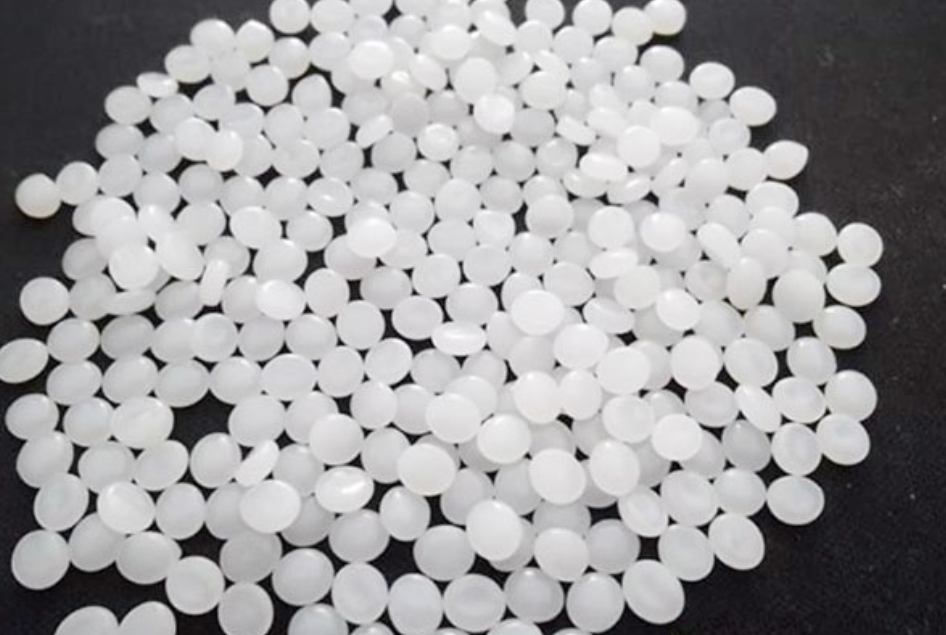
The European polyolefins pricing correction has become one of the most significant market developments for polymer buyers in 2026. After an exceptional price rally between late February and early May, market sentiment has shifted as buyers reduce purchasing activity and suppliers adapt to changing demand conditions. Procurement teams across packaging, automotive, construction and consumer goods manufacturing now face a market that offers greater negotiating power but still carries several supply-side uncertainties.
Although prices have eased from recent highs, the correction does not signal market weakness alone. Instead, it reflects a more balanced relationship between supply and demand as inventory levels improve, feedstock costs stabilize and purchasing patterns return to normal following months of aggressive buying.
Why the European Polyolefins Market Is Correcting
The recent rally pushed polyethylene and polypropylene prices to levels that many downstream manufacturers considered unsustainable. During the rapid increase, buyers accelerated purchases to secure material before further price hikes, creating temporary demand that exceeded normal consumption.
As prices reached higher levels, several market dynamics began reversing.
Buyers delayed fresh purchases in anticipation of lower offers, reducing immediate demand across the region.
Processors shifted their focus toward inventory management instead of stock building, easing pressure on suppliers.
Imported material gradually became more competitive as international price differences narrowed.
Together, these developments reduced the urgency that had supported higher prices only a few months earlier.
Demand Across Key Manufacturing Sectors
Demand remains mixed across Europe's major polymer-consuming industries. Essential packaging applications continue to provide a stable base of consumption, while sectors linked to discretionary spending have shown slower recovery.
Several industries continue to influence purchasing activity.
Packaging manufacturers maintain relatively consistent resin consumption because food, beverage and healthcare products require uninterrupted production.
Automotive suppliers remain cautious as vehicle production schedules continue to adjust to changing consumer demand and inventory levels.
Construction companies continue purchasing polymers for pipes, insulation and infrastructure projects, although project timing varies by country.
Consumer goods manufacturers have become increasingly selective, preferring shorter purchasing cycles instead of building large inventories.
This uneven demand profile explains why suppliers have reduced pricing expectations without triggering aggressive production cuts.
Feedstock Costs Continue to Shape Prices
Feedstock markets remain one of the strongest influences on European polyolefins pricing. Changes in crude oil, naphtha and propylene values continue to affect production costs throughout the supply chain.
Even as polymer demand softens, producers cannot ignore manufacturing economics. Higher raw material costs limit the extent of price reductions because producers must protect operating margins while remaining competitive.
Energy prices also continue to influence production decisions. European manufacturers still face higher operating costs than many competitors in regions with lower energy expenses, making production efficiency increasingly important.
European Producers Balance Supply With Market Reality
Specialty producers across Europe have responded carefully to changing market conditions. Rather than allowing inventories to grow rapidly, many companies have adjusted operating rates to better match current demand.
This disciplined approach has helped prevent a sharp oversupply situation. While buyers enjoy improved negotiating opportunities, the market has avoided the severe price collapse often associated with excessive inventory accumulation.
Manufacturers are also placing greater emphasis on value-added grades, technical support and long-term customer relationships instead of relying solely on price competition. This strategy allows specialty producers to protect margins while continuing to serve customers with more demanding product specifications.
Trade Flows and Imports Are Changing the Competitive Landscape
European buyers have also benefited from increased availability of imported material. As freight conditions improved and global price differences narrowed, suppliers from the Middle East, Asia and North America regained competitiveness in several product segments.
Imported cargoes have introduced additional pricing pressure for regional producers. Buyers now have more sourcing options than they did during the rally, allowing procurement teams to compare offers across multiple origins before making purchasing decisions.
This broader supplier base has encouraged more balanced negotiations throughout the market. Instead of reacting to supply shortages, buyers are increasingly evaluating total landed cost, delivery reliability and product consistency.
Procurement Strategies During a Pricing Correction
A correction phase requires a different purchasing strategy than a rapidly rising market. Instead of securing large volumes immediately, procurement teams can take advantage of improved flexibility while continuing to monitor supply risks.
Several approaches can help buyers manage costs more effectively.
Review inventory levels before placing large orders. Holding excessive stock may expose businesses to further price declines if the correction continues.
Compare quotations from both domestic and international suppliers. Greater competition often creates opportunities for better commercial terms.
Monitor feedstock movements closely. Changes in crude oil, naphtha and propylene prices frequently influence polymer pricing over the following weeks.
Balance spot purchases with contractual commitments. A diversified purchasing strategy reduces exposure to sudden market swings.
Strengthen relationships with reliable suppliers that can provide consistent quality and dependable delivery during changing market conditions.
Sustainability Continues to Influence Purchasing Decisions
While pricing remains a major concern, sustainability continues to shape procurement decisions across Europe's polymer industry.
Many manufacturers now seek materials that support recycling targets, lower carbon emissions and circular economy initiatives. This trend has increased interest in recycled polyolefins, certified sustainable feedstocks and products manufactured with improved energy efficiency.
Specialty producers continue investing in technologies that improve recyclability without sacrificing product performance. Buyers increasingly evaluate environmental credentials alongside traditional factors such as price, quality and supply reliability.
Market Outlook for the Second Half of 2026
Current indicators suggest that the market will remain relatively balanced over the coming months. Most analysts expect moderate price movements rather than another sharp rally or a significant collapse.
Several factors will determine future market direction.
Feedstock price volatility will continue influencing production costs across Europe.
Seasonal demand from packaging and consumer goods manufacturers could improve purchasing activity.
Import availability will remain an important competitive factor if international prices stay attractive.
Energy costs and operating rates at European production facilities will influence regional supply.
Global economic conditions will continue affecting downstream manufacturing activity and export demand.
Unless an unexpected disruption affects production or logistics, buyers should expect a more stable environment than the one experienced during the first half of the year.
What Buyers Should Do Now
The European polyolefins market has entered a healthier phase where purchasing decisions can focus on long-term value instead of reacting to immediate shortages. Although prices have softened, disciplined supply management by producers continues to support market stability.
Procurement professionals should remain informed about feedstock trends, regional production levels and international trade flows while maintaining close communication with trusted suppliers. Companies that combine careful inventory planning with diversified sourcing strategies will be better positioned to manage costs and maintain reliable supply throughout the remainder of 2026.
Ready to source polyolefins from verified global suppliers? Explore competitive offers on our platform today.