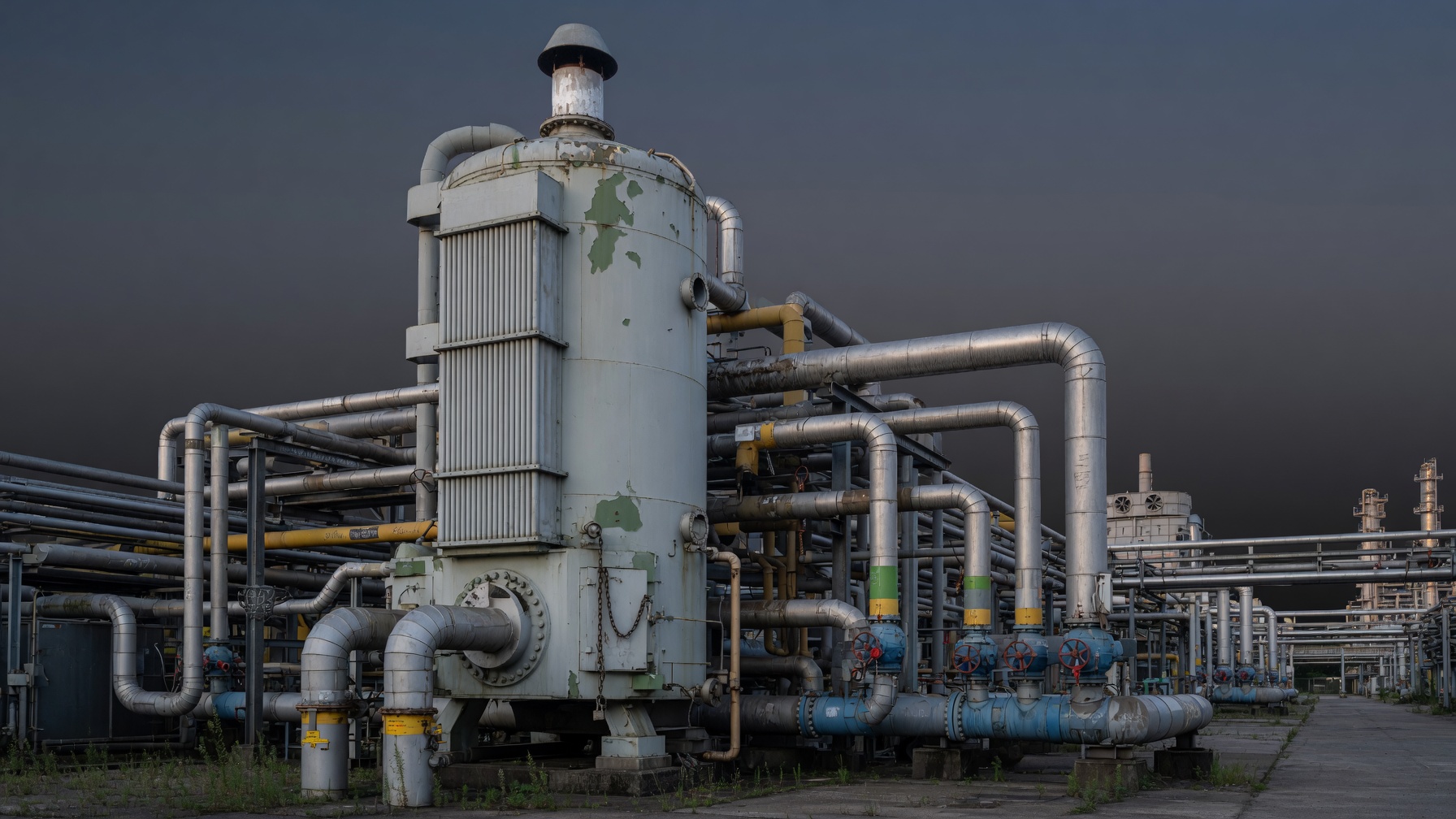
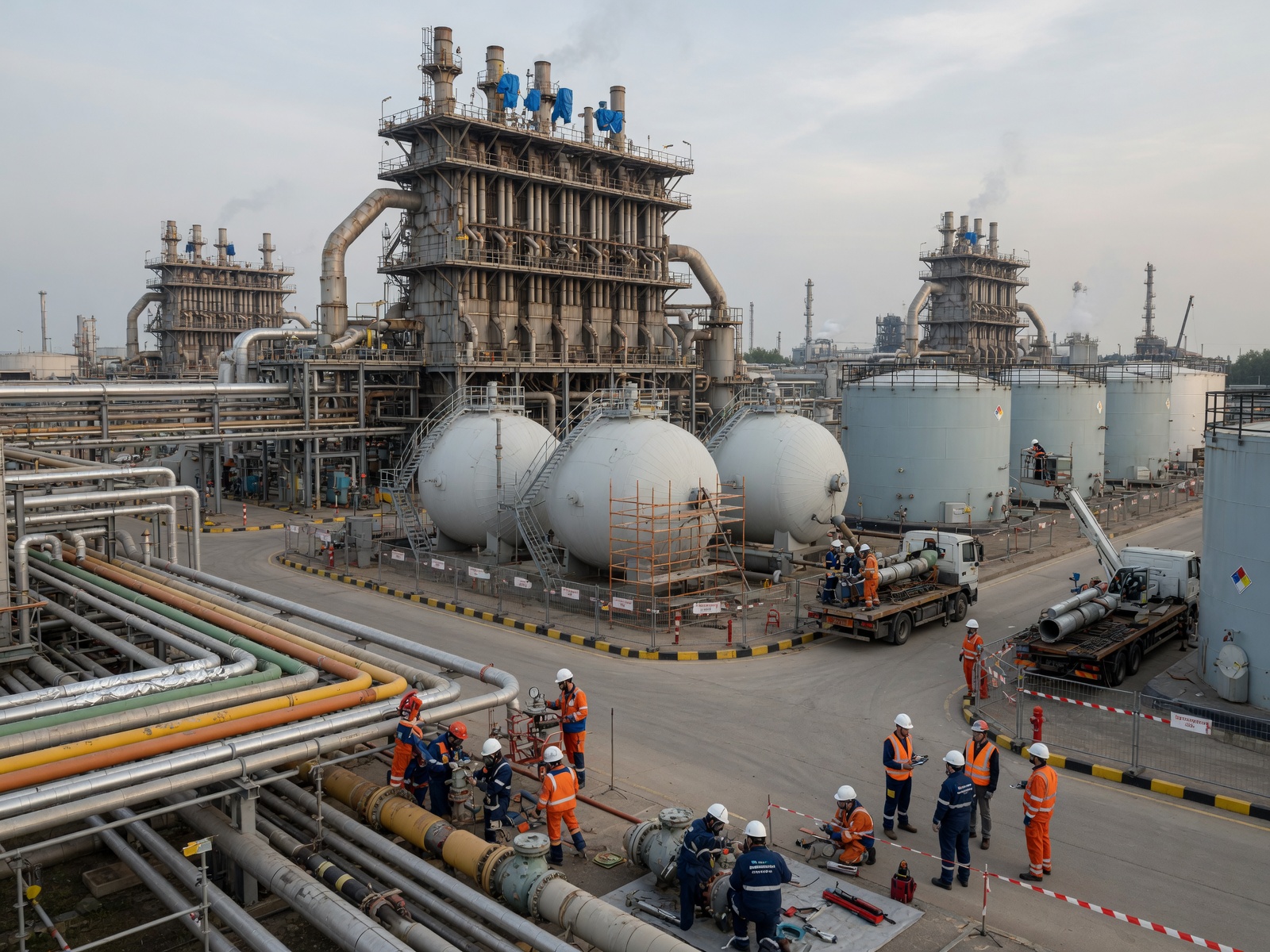
Europe's steam cracker restructuring continues as analysts monitor another phase of plant closures following reports of two additional facilities shutting down during mid-2025. The closures reflect broader structural pressures facing European petrochemical producers, including elevated energy costs and increasing competition from rapidly expanding manufacturing capacity in China.
For procurement professionals, these developments represent more than isolated operational decisions. Steam crackers occupy the foundation of the petrochemical value chain, meaning capacity reductions can gradually influence feedstock availability, downstream polymer production and long-term supplier strategies across Europe.
Why Steam Crackers Matter to the Chemical Industry
A steam cracker converts hydrocarbon feedstocks such as naphtha into basic petrochemical building blocks that support thousands of downstream products.
Major outputs include:
These chemicals form the foundation for plastics, synthetic fibres, packaging materials, coatings and numerous industrial applications.
High Energy Costs Continue to Pressure European Producers
Energy remains one of the largest operating expenses for petrochemical manufacturers.
Persistently high energy costs can affect producers by:
Increasing production expenses.
Reducing international competitiveness.
Lowering operating margins.
Delaying capital investment.
Accelerating restructuring decisions.
Older facilities with less efficient equipment often experience the greatest commercial pressure under these conditions.
Competition From China Is Reshaping Global Markets
Alongside higher operating costs, European producers continue facing strong competition from expanding Chinese petrochemical capacity.
Large integrated manufacturing complexes in China benefit from:
Modern production technology.
Significant economies of scale.
Continued capacity expansion.
Strong domestic supply chains.
Competitive export capability.
As additional capacity enters global markets, European producers face increasing pressure to improve efficiency or reduce less competitive production assets.
Plant Closures Reflect Structural Change Rather Than Temporary Weakness
The continuing closure of steam crackers suggests the industry is undergoing long-term structural adjustment rather than responding only to short-term market cycles.
Capacity reductions may support:
Better utilisation of remaining facilities.
Improved producer profitability.
Reduced market oversupply.
Greater operational efficiency.
More focused capital investment.
While these measures strengthen the long-term competitiveness of surviving facilities, they also reduce regional production capacity.
Procurement Teams Should Evaluate Regional Supply Exposure
As production capacity changes, procurement professionals should reassess supplier strategies.
Priority review areas include:
Dependence on European production.
Supplier operating rates.
Alternative manufacturing locations.
Inventory coverage.
Long-term supply agreements.
Maintaining visibility across supplier networks reduces exposure to future production changes.
Diversified Sourcing Will Become Increasingly Important
Structural industry consolidation highlights the value of balanced procurement strategies.
Organizations should consider:
Qualifying suppliers from multiple regions.
Comparing domestic and imported materials.
Monitoring investment in new production assets.
Reviewing logistics flexibility.
Building strategic supplier partnerships.
Diversification provides greater resilience if additional capacity reductions occur in Europe.
What Petrochemical Buyers Should Do Now
Europe's continuing wave of cracker closures signals an industry adapting to long-term competitive pressures rather than temporary market fluctuations. High energy costs and expanding Chinese production capacity are encouraging producers to consolidate operations and focus investment on their most competitive assets.
Procurement teams should monitor further restructuring announcements, strengthen supplier communication and diversify sourcing strategies where appropriate. Organizations that understand these structural market shifts will be better positioned to secure reliable petrochemical supply while managing future regional capacity changes.
Ready to source petrochemical products from verified global suppliers? Explore competitive offers on our platform today.