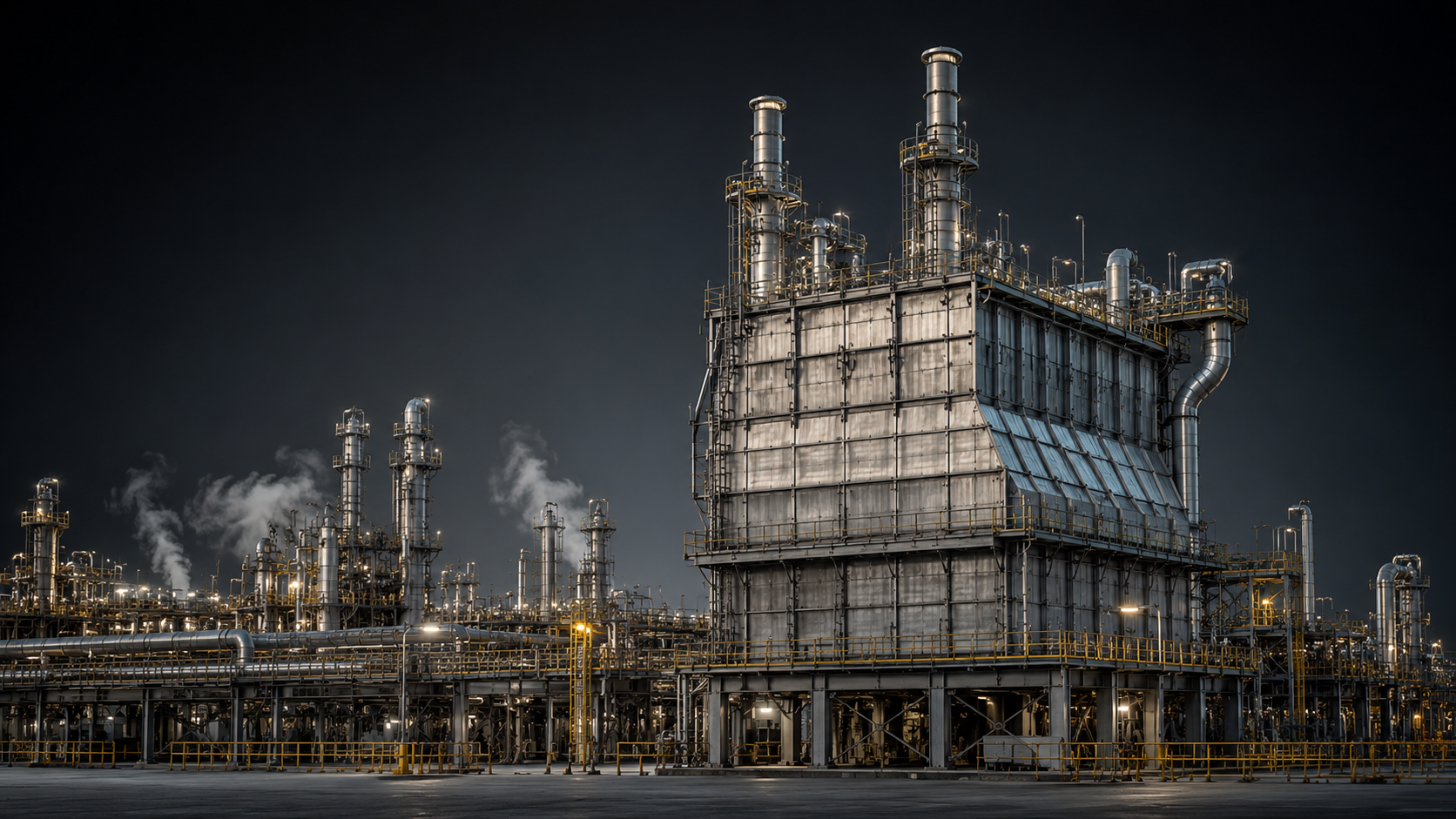
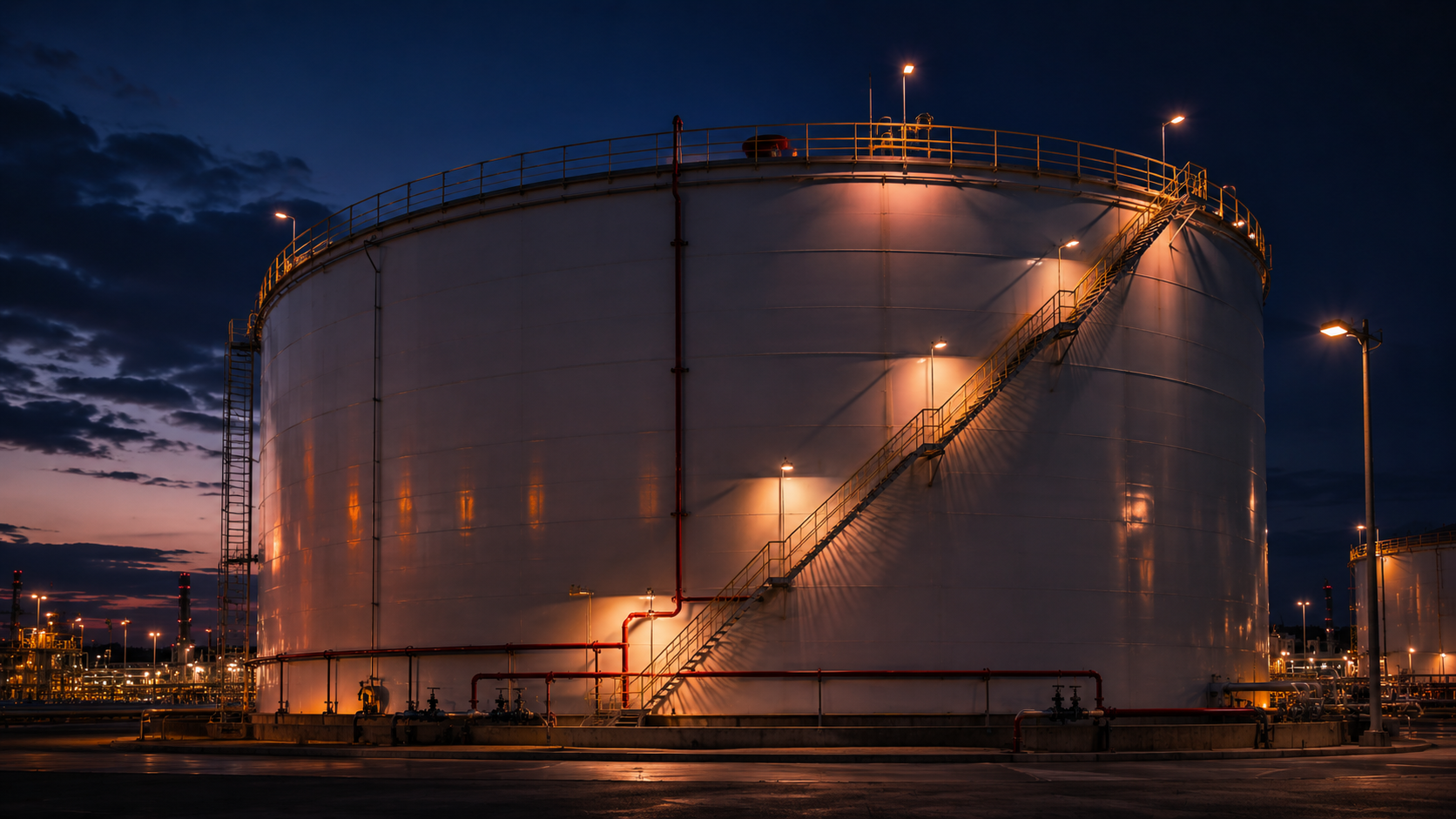
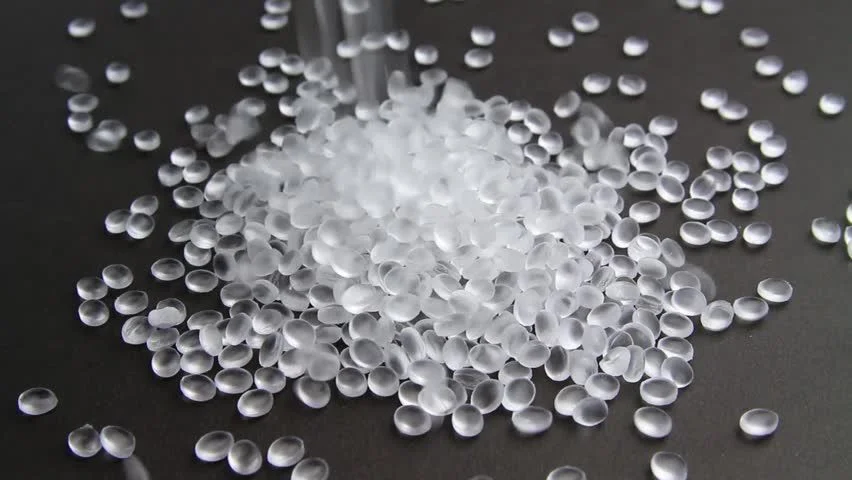
Europe's petrochemical sector continues to undergo one of its most significant structural changes in decades. As ExxonMobil and Sabic keep shutting ethylene cracker capacity, the regional ethylene market faces tighter domestic production, shifting trade flows and increased reliance on imported feedstocks and derivatives.
For chemical traders and procurement professionals, these developments extend beyond a single production asset. Every cracker closure changes raw material availability, downstream polymer production and regional competitiveness. Buyers who understand these changes early can adapt sourcing strategies before supply conditions tighten further.
Why European Ethylene Crackers Are Closing
Ethylene crackers form the backbone of the petrochemical industry. They convert hydrocarbon feedstocks into ethylene, which supports hundreds of downstream chemical products including polyethylene, PVC intermediates, solvents and specialty chemicals.
Several market pressures continue to challenge European operators.
Energy costs remain significantly higher than those faced by many producers in North America and the Middle East, reducing manufacturing competitiveness.
Slower industrial activity has weakened demand for many petrochemical products, leaving producers with excess capacity.
Aging production facilities often require substantial investment to remain efficient and meet environmental expectations.
Global producers with newer plants and lower production costs continue to supply international markets at competitive prices.
These combined pressures make permanent shutdowns more attractive than maintaining underutilized facilities.
How the Petrochemical Slump Is Affecting Supply
The recent closures represent more than temporary production cuts. They reflect a broader adjustment across the European petrochemical industry.
Reduced cracker capacity means less locally produced ethylene becomes available for downstream manufacturing. Companies producing plastics, synthetic materials and chemical intermediates may increasingly depend on imported feedstocks or imported finished products.
While reduced supply can eventually support prices, weak industrial demand has limited immediate price recovery in many segments. Instead, buyers face greater uncertainty regarding future availability rather than immediate shortages.
Trade Flows Are Moving Beyond Europe
As domestic production contracts, Europe increasingly relies on overseas suppliers.
Major exporting regions continue expanding production capacity while European output gradually declines. This shift encourages longer supply chains and changes traditional trade relationships.
Procurement teams should monitor several developments.
More imported petrochemical feedstocks may enter European ports from lower cost producing regions.
Shipping schedules become increasingly important because longer transport times increase inventory planning requirements.
Freight costs gain greater influence over final purchasing prices.
Supply disruptions outside Europe can now have a more immediate impact on regional availability.
These changes require buyers to view procurement from a global rather than regional perspective.
Downstream Industries Face New Procurement Decisions
Ethylene serves as the starting material for numerous industrial value chains.
Manufacturers producing packaging materials, automotive plastics, construction products, consumer goods and industrial components all depend on stable ethylene availability.
As local cracker capacity declines, procurement managers should evaluate supplier diversity, contract structures and inventory policies. Companies relying heavily on one regional producer may face increased operational risk if additional facilities reduce production in the future.
Maintaining multiple qualified suppliers becomes increasingly valuable during periods of structural market change.
What This Means for Polyethylene and Other Derivatives
Ethylene sits at the beginning of several major petrochemical production chains.
Lower regional cracker output can influence production economics for products including:
Polyethylene grades used in flexible packaging, rigid containers and industrial films.
Vinyl chain products that ultimately support PVC manufacturing.
Ethylene oxide derivatives used across detergents, textiles and industrial formulations.
Various chemical intermediates serving coatings, adhesives and specialty manufacturing.
The exact impact varies by product because downstream producers can sometimes import feedstocks instead of manufacturing them locally. However, additional logistics increase overall supply chain complexity.
Competitiveness Is Becoming the Central Challenge
European petrochemical companies have historically benefited from proximity to large manufacturing markets.
Today, competitive advantages increasingly depend on production efficiency, energy pricing and access to affordable feedstocks.
Modern integrated complexes outside Europe often combine lower energy costs with larger production scales. These advantages allow exporters to compete aggressively in international markets.
European producers therefore face difficult decisions between investing in modernization, restructuring existing assets or permanently reducing capacity.
Sustainability Is Influencing Investment Decisions
Environmental expectations continue shaping long term investment strategies throughout the chemical sector.
Many companies now prioritize facilities capable of improving energy efficiency, reducing emissions and supporting lower carbon manufacturing processes.
Future investments increasingly focus on:
More energy efficient production technologies.
Improved feedstock flexibility.
Circular economy initiatives involving recycled materials.
Digital manufacturing systems that optimize operational efficiency.
Although sustainability remains an important long term objective, companies must also maintain commercial competitiveness in global markets.
How Buyers Can Prepare for Further Market Changes
Procurement teams should treat current cracker closures as part of a broader industry transition rather than isolated corporate decisions.
Several practical actions can reduce sourcing risk.
Review supplier concentration to identify dependence on a single production region.
Evaluate contract flexibility before future market volatility affects availability.
Monitor freight markets alongside chemical pricing because logistics increasingly influence delivered costs.
Strengthen relationships with qualified international suppliers capable of supporting long term procurement needs.
Track announcements regarding additional capacity reductions, maintenance shutdowns and new production projects worldwide.
Forward planning provides greater resilience than reacting after supply disruptions occur.
What Procurement Teams Should Watch Next
The pace of additional restructuring will determine how quickly Europe's petrochemical landscape evolves over the next several years.
If demand gradually improves while regional capacity continues declining, supply conditions could tighten across selected product chains. Alternatively, continued weak manufacturing activity may offset some production losses in the near term.
For traders, importers and industrial buyers, the most effective strategy combines continuous market monitoring with diversified sourcing. Companies that adapt procurement plans before structural shifts fully develop will be better positioned to manage pricing, logistics and supply reliability.
Ready to source ethylene from verified global suppliers? Explore competitive offers on our platform today.