The US chemical industry is sending a mixed signal through its workforce data. Employment levels are expected to remain essentially flat through 2026 and 2027 according to the American Chemistry Council mid-year outlook. Yet average compensation for the 545,000 workers in the sector has climbed above $108,000 per year. This figure significantly outpaces the broader manufacturing average. For procurement managers and importers, these numbers offer more than just labor market statistics. They reveal the underlying health of the industry and the strategic caution driving capital expenditure decisions. Understanding this dynamic helps buyers anticipate supply constraints and pricing pressures.
The Paradox of Stable Employment and High Wages
A flat headcount combined with rising wages creates an unusual economic picture. Typically, industries expand their workforce when demand grows and contracts when it shrinks. The chemical sector is doing neither. Instead, it is retaining its current workforce while paying them more. This strategy reflects a deliberate choice by producers to preserve institutional knowledge and operational capability. Chemical manufacturing requires highly skilled technicians and engineers who understand complex processes. Losing these workers during a downturn would create significant rehiring and training costs when demand eventually returns.
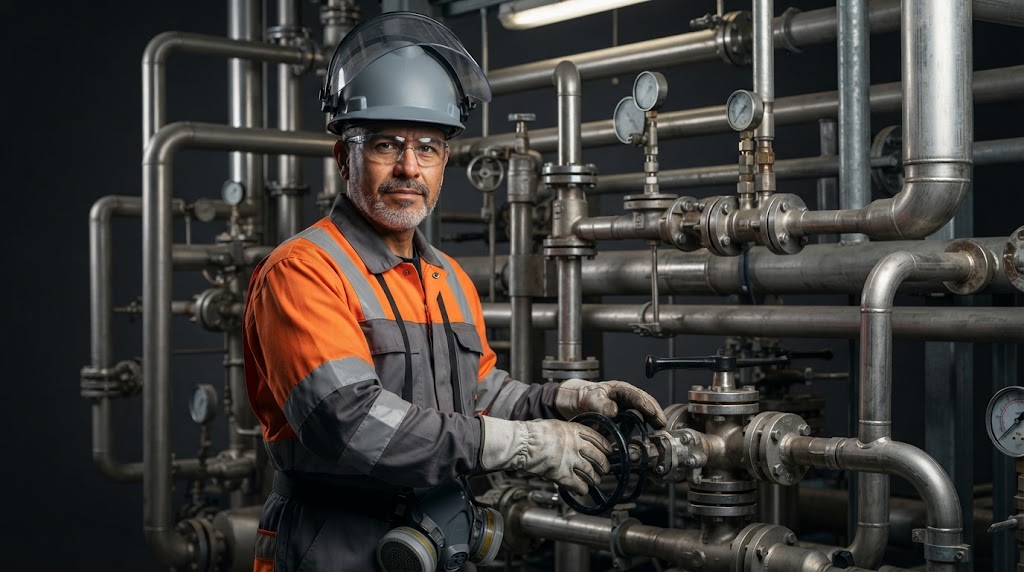
The high wage level also indicates the specialized nature of the work. Chemical plants operate under strict safety and environmental regulations. Workers must maintain certifications and undergo continuous training. This barrier to entry keeps labor supply tight and supports higher compensation levels. For buyers, this means that production facilities are being maintained by experienced teams rather than stripped down to minimal staffing levels.
What Flat Headcount Signals About Capex Caution
The decision to keep employment flat rather than grow it speaks volumes about capital expenditure plans. Chemical producers are not hiring because they are not building. New facilities require large construction crews followed by permanent operating staff. The absence of hiring growth suggests that major greenfield projects are on hold. Companies are focusing on optimizing existing assets rather than expanding capacity.
This capex caution aligns with the broader industry downcycle. Overcapacity in key segments like polyethylene and specialty chemicals has reduced the incentive for new investments. Producers are waiting for demand to absorb existing supply before committing to expansion. The flat employment trend confirms that the industry is in a consolidation phase rather than a growth phase. Buyers should not expect significant new supply sources from the US market in the near term.
Wage Pressure and Its Impact on Production Costs
Rising wages contribute to higher fixed costs for chemical manufacturers. When labor expenses increase without corresponding productivity gains or volume growth, margins come under pressure. Producers must either raise prices to cover these costs or find efficiencies elsewhere. In a competitive downcycle environment, price increases are difficult to implement. This forces companies to focus on operational excellence and cost reduction in other areas.
The $108,000+ average pay figure includes both hourly workers and salaried professionals. It reflects the industry's shift toward automation and digitalization. Fewer workers are needed for manual tasks, but those who remain require higher technical skills to manage advanced systems. This transition increases the value of each employee but also raises the cost of labor disruptions. Strikes or turnover events have a magnified impact on production when staffing levels are lean.
The ESG Connection in Workforce Strategy
Workforce stability is increasingly viewed through an ESG lens. Social governance metrics include employee retention, safety records and fair compensation practices. The chemical industry’s approach to maintaining headcount and raising pay supports strong ESG scores in the social category. This matters to investors and customers who evaluate suppliers based on sustainability criteria.
However, there is a tension between social ESG goals and environmental ones. Preserving jobs at existing facilities may delay the closure of older, less efficient plants. These legacy sites often have higher carbon footprints and greater environmental risks. Companies face difficult choices between protecting their workforce and accelerating their decarbonization agendas. Buyers with strict ESG requirements need to understand how their suppliers are balancing these competing priorities.
Regional Variations in the US Chemical Corridor
The flat headcount trend is not uniform across all US regions. The Gulf Coast remains the dominant hub for chemical production due to access to feedstock and export infrastructure. Employment levels here are more stable because of the scale of operations. Other regions facing plant closures or relocations may see localized declines. Procurement teams sourcing from specific locations should monitor regional labor dynamics.
Areas with high unionization rates may experience different wage pressures compared to non-union facilities. Labor contracts can lock in wage increases for multi-year periods, providing predictability but also reducing flexibility. Non-union plants may adjust compensation more dynamically based on market conditions. Understanding these regional and structural differences helps buyers assess supply risk.
Implications for Global Supply Chains
The US chemical industry’s workforce strategy has global implications. Higher labor costs make US-produced chemicals less competitive on price alone compared to imports from regions with lower wage structures. However, the reliability and quality associated with experienced US workforces can justify premium pricing for certain applications. Buyers must weigh cost against consistency when choosing between domestic and imported sources.
The flat headcount also suggests that US producers are not aggressively seeking to capture market share through volume expansion. This creates opportunities for exporters from Asia and Europe to fill gaps in the US market. Conversely, US exporters may focus on high-value specialties rather than commodity volumes. Trade flows will reflect this strategic positioning.
What Procurement Teams Should Do Now
Buyers need to adjust their sourcing strategies based on these workforce trends. Expect limited flexibility on volume increases from US suppliers since they are not adding capacity or staff. Build relationships with account managers who understand the operational constraints of lean staffing. Plan for longer lead times if suppliers are running at high utilization rates with minimal backup labor.
Consider the total cost of ownership when evaluating US versus imported chemicals. Higher US labor costs may be offset by lower logistics expenses and reduced inventory holding costs for domestic buyers. For international buyers, the reliability of US supply may warrant a price premium over volatile alternative sources. Use the stability of the US workforce as a negotiating point for long-term supply security.
Monitor supplier communications for signs of labor unrest or retention issues. A company struggling to retain its skilled workforce may face production disruptions even if headcount appears stable. Ask potential suppliers about their training programs and succession planning. These factors indicate whether the high wage bill is translating into genuine operational resilience.
The Bottom Line for Industry Buyers
The combination of flat headcount and rising pay in the US chemical industry signals a mature, cautious market. Producers are prioritizing stability and efficiency over growth. This approach protects margins and maintains quality but limits supply elasticity. For procurement managers, this means securing supply through partnerships rather than spot buying. The $108,000+ average wage reflects the high value of skilled labor in this sector. Buyers who understand this dynamic can better navigate negotiations and build resilient supply chains.
Ready to source chemicals from verified global suppliers? Explore competitive offers on our platform today.