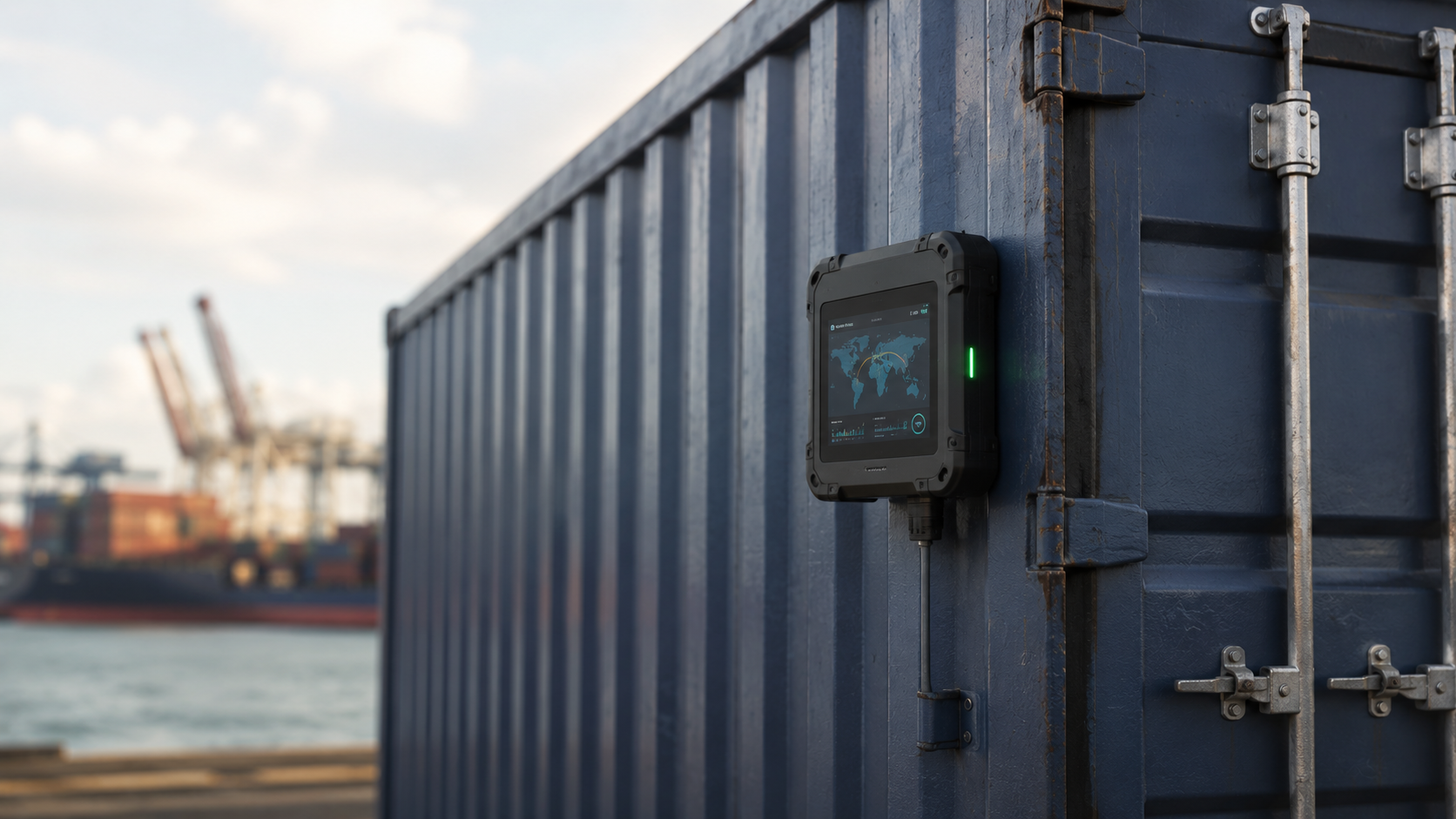
Global food ingredient supply chains now operate in an environment where market conditions can shift within hours instead of weeks. Procurement teams managing ingredients such as citric acid, sorbitol and starch products increasingly depend on accurate operational data rather than waiting for traditional reports. Better visibility allows buyers to reduce uncertainty, improve planning and react before disruptions begin affecting production schedules.
Technology has become more than a convenience. It is now an important competitive advantage for companies that import, export or distribute food ingredients across international markets.
Why Real-Time Data Matters in Food Ingredient Procurement
Traditional procurement relied heavily on supplier updates, shipping schedules and periodic market reports. While these sources remain valuable, they often provide information after market conditions have already changed.
Real-time data platforms offer continuous visibility into shipment movements, freight markets and broader supply chain conditions. Buyers gain faster access to information that supports purchasing decisions before delays become costly.
Some of the biggest advantages include:
Better shipment visibility from origin to destination.
Earlier identification of logistics bottlenecks.
Improved inventory planning across multiple facilities.
Faster communication between procurement, logistics and sales teams.
Digital Visibility Creates Better Purchasing Decisions
Procurement professionals constantly balance price, availability and delivery time. Without current information, even experienced buyers may struggle to respond quickly when supply conditions change.
Real-time tracking allows purchasing teams to monitor cargo progress throughout the shipping journey. Instead of reacting after delays occur, they can prepare contingency plans while shipments remain in transit.
This proactive approach often improves customer service while reducing unnecessary emergency purchases.
Freight Intelligence Helps Control Logistics Costs
Transportation costs remain one of the largest variables in international ingredient procurement.
Modern freight analytics platforms provide insights into market pricing trends rather than relying solely on carrier quotations. Procurement managers can compare historical patterns, monitor market movements and negotiate transportation contracts with stronger market knowledge.
Important freight indicators include:
Ocean freight rate movements.
Fuel surcharge trends.
Port congestion levels.
Vessel capacity availability.
Transit time reliability.
Geopolitical Monitoring Supports Supply Chain Resilience
Trade routes occasionally experience unexpected disruptions caused by weather, regulatory changes, labor issues or geopolitical developments.
Monitoring these events through dedicated intelligence services allows companies to assess potential impacts before shipments are affected. Procurement teams can evaluate alternative suppliers or transportation routes while maintaining business continuity.
Technology Tools Procurement Teams Commonly Use
Successful procurement organizations rarely depend on a single source of information. Instead, they combine several technologies that provide different perspectives on the market.
Common solutions include:
Cargo tracking systems that provide shipment location updates.
Freight market analytics that monitor transportation pricing.
Supplier management platforms that centralize purchasing information.
Inventory management software that improves stock visibility.
Risk monitoring services that alert teams to developing disruptions.
Business intelligence dashboards that combine operational and commercial data.
When these systems work together, procurement teams gain a much clearer understanding of their supply chain.
Data Improves Supplier Collaboration
Technology benefits both buyers and suppliers.
Sharing shipment updates, inventory forecasts and demand projections creates greater transparency across the supply chain. Suppliers can prepare production schedules more effectively while buyers receive more accurate delivery expectations.
This collaborative approach strengthens long-term business relationships and reduces misunderstandings during periods of high market volatility.
Building a Modern Procurement Technology Stack
Not every company requires complex enterprise software from the beginning.
Many organizations start with a practical combination of tools that deliver immediate value.
A balanced technology stack may include:
Shipment tracking software.
Freight market intelligence.
Inventory planning tools.
Supplier performance reporting.
Risk monitoring services.
Data dashboards for procurement teams.
As business requirements grow, additional automation and analytics capabilities can be integrated without replacing existing systems.
Challenges Companies Should Consider
Technology alone cannot eliminate supply chain risk.
Procurement teams should also invest in employee training, supplier diversification and clear operating procedures. Reliable decision making depends on both accurate information and experienced professionals who understand how to interpret it.
Companies should also pay attention to data quality. Even advanced software delivers limited value if supplier information or inventory records remain inaccurate.
The Bottom Line for Procurement Teams
Food ingredient procurement continues to become more data driven as global supply chains grow increasingly interconnected. Companies that improve shipment visibility, monitor freight markets and strengthen supplier communication place themselves in a stronger position to respond to changing market conditions.
Digital tools should support sound procurement strategies rather than replace them. Organizations that combine technology with strong supplier relationships and disciplined planning will likely improve operational resilience while managing costs more effectively.
Ready to source food ingredients from verified global suppliers? Explore competitive offers on our platform today.