Genomatica's Nylon Precursor Fermentation Route Offers an Alternative to Petrochemical Nitrogen Chemistry
Introduction
Genomatica's development of fermentation-based routes for producing nylon precursors highlights a potential shift in how key chemical building blocks can be manufactured. By using biological processes rather than relying entirely on conventional petrochemical pathways, the approach could offer an alternative to traditional production routes for materials used in the nylon industry.
The development is significant because nylon production depends on chemical intermediates that are traditionally linked to fossil-based feedstocks and energy-intensive processing. Fermentation technology introduces the possibility of producing these intermediates through a different type of industrial chemistry.
What Is the Role of Fermentation?
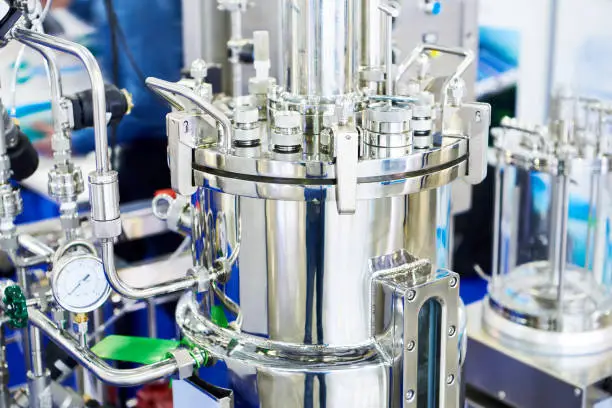
Fermentation uses microorganisms or biological systems to convert selected feedstocks into useful chemical products. In industrial biotechnology, this approach can be engineered to produce specific molecules that would otherwise require conventional chemical synthesis.
For nylon production, fermentation-based manufacturing can potentially provide an alternative route to precursor chemicals while using renewable or bio-based carbon sources.
This represents a broader trend in the chemical industry, where biotechnology is increasingly being explored to manufacture commodity and specialty chemicals with potentially lower dependence on fossil resources.
Moving Beyond Conventional Petrochemical Routes
Traditional nylon chemistry relies heavily on petrochemical feedstocks. These processes involve multiple chemical conversion steps and can require significant quantities of energy and chemical reagents.
A fermentation-based route could change the structure of this supply chain by replacing some conventional chemical transformations with biological conversion.
The significance is not that fermentation eliminates petrochemical chemistry across the entire nylon value chain, but that it could provide an alternative pathway for producing selected intermediates.
This distinction is important when evaluating the potential impact on petrochemical demand.
Implications for Nitrogen Chemistry
The development also has relevance for petrochemical nitrogen chemistry, particularly where conventional nylon precursor production depends on fossil-derived intermediates and nitrogen-containing chemical processes.
If biological routes can be scaled commercially, they could potentially alter demand patterns for certain conventional chemical inputs used in precursor manufacturing.
However, the ultimate impact would depend on production economics, fermentation yields, feedstock availability, downstream processing requirements, and the ability to achieve consistent industrial-scale output.
Feedstock Considerations
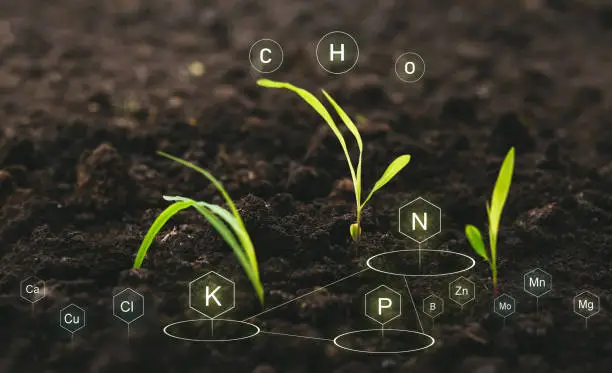
The commercial success of fermentation-based chemicals depends heavily on feedstock economics. Sugar and other renewable carbon sources can provide the carbon required by microorganisms during fermentation.
This creates a connection between industrial biotechnology and agricultural supply chains. Greater adoption of bio-based chemical production could increase demand for suitable sugars, starch-derived materials, or other renewable feedstocks.
At the same time, manufacturers must consider feedstock price volatility, seasonal availability, logistics, land-use considerations, and competition with food and other industrial applications.
Potential Impact on the Nylon Industry
Nylon is widely used in textiles, automotive components, electronics, consumer products, industrial applications, and engineering plastics. Because of this broad demand base, alternative production technologies could have implications beyond chemical manufacturing.
If fermentation-based nylon precursors achieve cost and performance competitiveness, manufacturers could gain access to additional sourcing options for important intermediates.
The technology could also contribute to efforts by brands and manufacturers to reduce the fossil-carbon intensity of their material supply chains.
Challenges to Commercial Scale
Despite its potential, fermentation-based chemical production faces several challenges.
The first is cost competitiveness. Petrochemical production benefits from mature infrastructure, established supply chains, and economies of scale. New biological processes must compete against these highly optimized systems.
Other challenges include fermentation productivity, downstream purification, process reliability, plant-scale consistency, and access to competitively priced feedstocks.
Infrastructure is another important factor. Commercial deployment requires facilities capable of integrating fermentation with downstream chemical processing and existing manufacturing networks.
Broader Chemical Industry Trend
Genomatica's approach reflects the broader movement toward industrial biotechnology and bio-based chemical manufacturing.
Companies across the chemicals and materials sectors are exploring biological pathways as alternatives or complements to conventional petrochemical production. The objective is not necessarily to replace petrochemicals completely, but to create additional manufacturing pathways that can diversify feedstock sources and potentially reduce dependence on fossil carbon.
This trend could gradually reshape procurement strategies as chemical manufacturers evaluate both conventional and bio-based routes for key intermediates.
Outlook
The development of fermentation-based nylon precursor production is worth watching because it connects biotechnology with one of the world's major synthetic-material value chains.
If Genomatica's technology can achieve competitive economics at commercial scale, it could demonstrate how biological manufacturing can move beyond niche chemicals and enter established commodity and performance-material markets.
For petrochemical and chemical suppliers, the key indicators will be commercial production scale, feedstock requirements, production costs, downstream integration, and customer adoption.
Conclusion
Genomatica's fermentation route for nylon precursors illustrates how biotechnology could provide an alternative to conventional petrochemical chemistry. By using biological conversion to manufacture selected chemical building blocks, the technology has the potential to diversify feedstock options and create new pathways for producing materials traditionally linked to fossil resources.
The immediate impact on petrochemical nitrogen chemistry may remain limited, particularly while conventional production continues to benefit from mature infrastructure. However, successful commercialization of fermentation-based nylon precursors could gradually create competitive pressure and encourage further investment in bio-based chemical manufacturing.
As the chemical industry continues its transition toward diversified and potentially lower-carbon production systems, fermentation could become an increasingly important technology alongside conventional petrochemical processes.