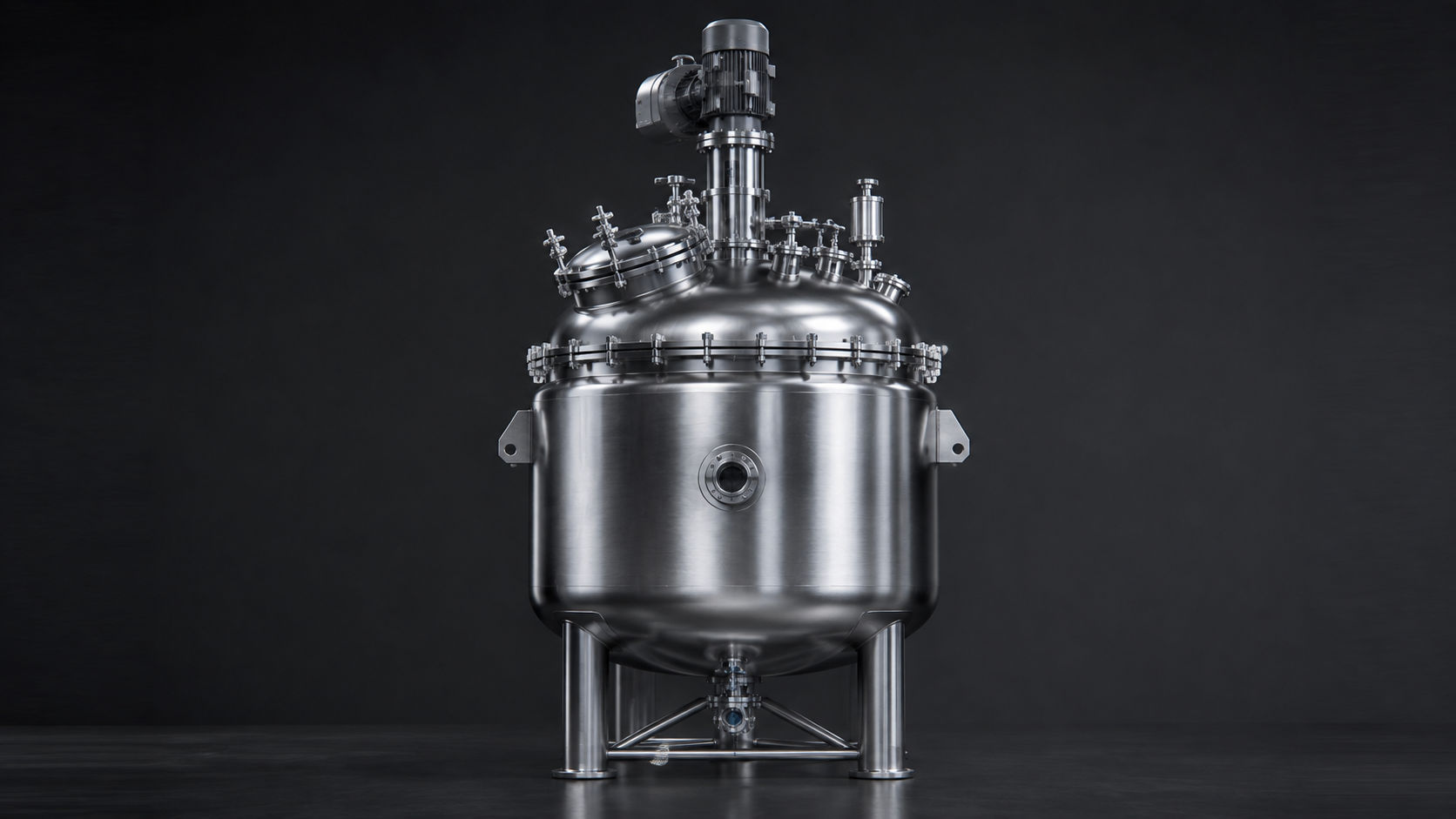
Germany's BASF Continues Committing Capital to Domestic Specialty Manufacturing
Introduction
Germany's BASF continues to demonstrate its long-term commitment to domestic specialty manufacturing through ongoing investments in production facilities, process innovation, and sustainable technologies. At a time when global manufacturers are reassessing supply chains and capital allocation strategies, BASF's continued investment in Germany signals confidence in the country's advanced industrial capabilities and its future role in specialty chemicals.
While global chemical companies increasingly diversify their manufacturing footprint, maintaining strategic domestic production remains essential for supporting innovation, ensuring product quality, and strengthening supply chain resilience. BASF's investment approach reflects the growing importance of specialty manufacturing as a driver of long-term competitiveness.
Why Specialty Manufacturing Matters
Unlike commodity chemicals, specialty chemicals are designed to deliver specific performance characteristics for industries such as automotive, electronics, agriculture, pharmaceuticals, construction, and consumer products.
Specialty manufacturing offers several advantages:
Higher value-added products
Stronger customer differentiation
Greater innovation potential
Improved product quality
Long-term customer partnerships
Better resistance to commodity price fluctuations
As demand for advanced materials grows, specialty manufacturing continues to attract strategic investment worldwide.
BASF's Domestic Investment Strategy
BASF's continued capital commitment reflects a long-term strategy focused on maintaining technological leadership while strengthening domestic production capabilities.
Key priorities include:
Modernizing Manufacturing Facilities
Investment in advanced production technologies helps improve operational efficiency, product consistency, and manufacturing flexibility.
Supporting Research and Development
Close integration between production sites and research centers accelerates innovation and shortens product development cycles.
Advancing Sustainable Manufacturing
BASF continues investing in energy-efficient processes, emissions reduction initiatives, and resource optimization to support long-term sustainability goals.
Strengthening Supply Chain Resilience
Maintaining domestic production capacity reduces operational risks while improving responsiveness to customer demand.
Benefits for the Specialty Chemical Industry
Continued investment in domestic specialty manufacturing supports the broader chemical ecosystem.
Potential benefits include:
Faster Innovation
Modern production facilities enable quicker commercialization of new specialty products.
Improved Product Quality
Advanced manufacturing technologies enhance process control and product consistency.
Greater Supply Reliability
Domestic production strengthens supply chain stability and reduces dependence on distant manufacturing locations.
Enhanced Industrial Competitiveness
Continuous investment helps manufacturers remain competitive in global specialty chemical markets.
Implications for Agrochemical and Industrial Markets
Although BASF serves multiple industries, its specialty manufacturing investments have broader significance for sectors that depend on advanced chemical technologies.
Potential impacts include:
Development of higher-performance agrochemical ingredients
Improved specialty polymer production
Expansion of sustainable chemical solutions
Increased manufacturing efficiency
Stronger collaboration with downstream industries
Continued innovation across specialty chemical applications
These developments contribute to a stronger and more resilient chemical manufacturing ecosystem.
Procurement Considerations
Procurement professionals should monitor long-term investment activity among specialty chemical manufacturers when evaluating supplier capabilities.
Important assessment factors include:
Manufacturing modernization
Innovation investment
Sustainability performance
Supply reliability
Technical expertise
Regional production capacity
Suppliers that continue investing in advanced manufacturing are often better positioned to deliver consistent quality and long-term operational stability.
Looking Ahead
Global demand for specialty chemicals is expected to continue expanding as industries seek advanced materials with improved performance and sustainability characteristics. Companies that maintain investment in modern manufacturing facilities, research, and digital technologies are likely to strengthen their competitive position.
BASF's ongoing commitment to domestic specialty manufacturing demonstrates that strategic investment in innovation and production excellence remains central to long-term industrial success, even amid changing global market conditions.
Conclusion
BASF's continued investment in Germany's specialty manufacturing sector highlights the importance of combining innovation, advanced production capabilities, and sustainable manufacturing practices to maintain global competitiveness. By strengthening domestic operations, the company supports long-term supply chain resilience, product quality, and technological leadership.
For chemical manufacturers, procurement professionals, and industry stakeholders, monitoring specialty manufacturing investments provides valuable insight into future production trends, supplier capabilities, and the evolving direction of the global chemical industry.