Chemical Industry Trends H1 2026 | ChemicalsBlog.com
Featured Reports and Data
schedule7 Min Read
Global Chemical Industry Trends H1 2026: Rationalization, Trade Flows and Market Uncertainty
terminal
prodchem
Jul 29, 2026
Global Chemical Industry Trends H1 2026
Chemical markets are entering 2026 still carrying the weight of an oversupply cycle that has run longer than most producers expected. Capacity rationalization, shifting trade flows and macroeconomic uncertainty are the three forces shaping how buyers and sellers approach the first half of the year. None of these pressures is new, but the pace at which they are converging is.
Why Capacity Rationalization Is Accelerating
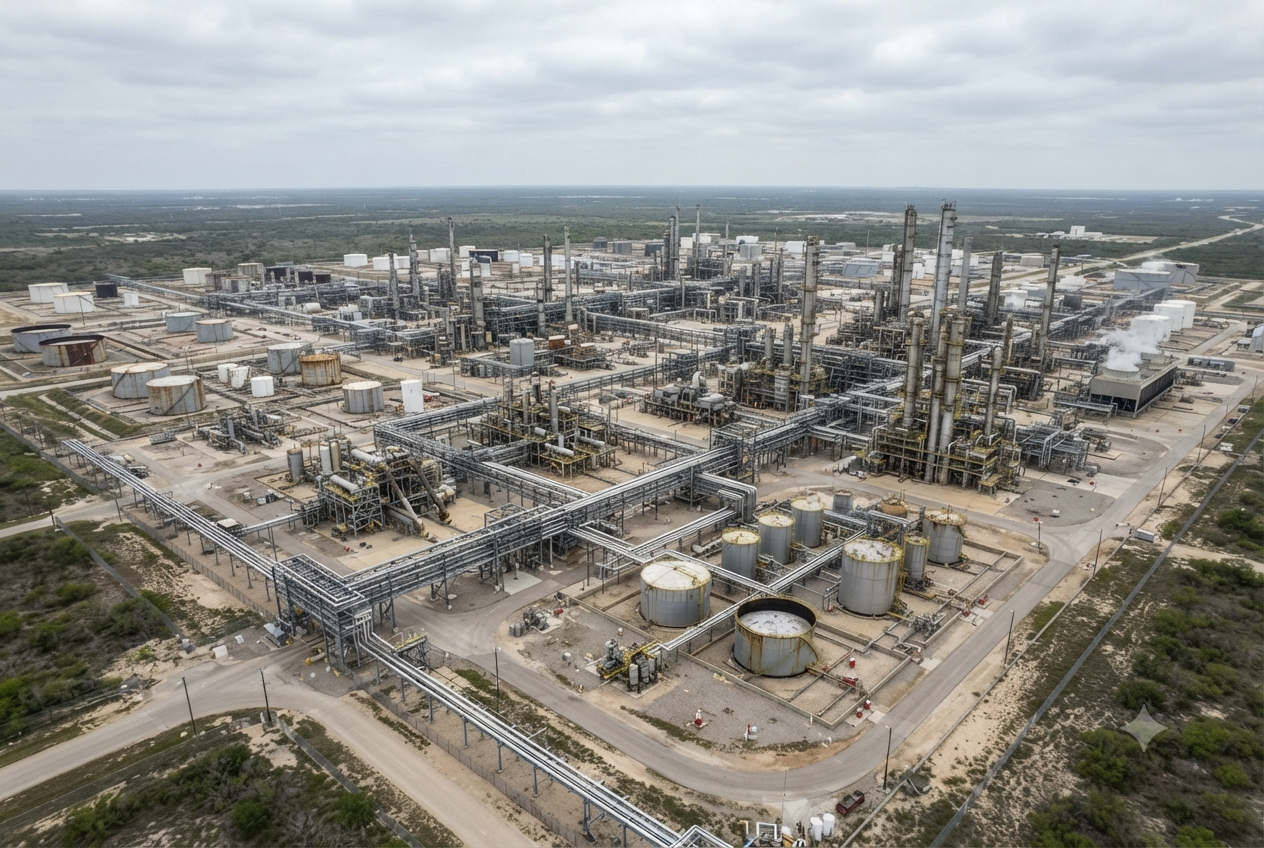
Commodity capacity rationalization has picked up speed heading into 2026, though a sustained recovery in operating rates and margins is not expected before 2028. Steam cracker closures are a clear signal of this shift. Naphtha-fed crackers across Asia are being wound down, with Japan alone on track to lose a meaningful share of ethylene capacity as several plants shut between 2026 and 2028.
South Korea is following a similar path. The country's trade ministry has targeted a substantial reduction in naphtha-fed cracker capacity, aiming to shift production toward higher-value specialty output rather than commodity olefins. Europe faces comparable pressure, with phenol demand alone estimated to have fallen sharply since 2019 as producers close or scale back uncompetitive assets.
Rationalization in this context does not mean the industry is shrinking uniformly. New capacity continues to come online in China and parts of the Middle East, even as older, higher-cost plants close elsewhere. The result is a reshuffling of where production sits rather than a clean reduction in global output.
Shifting Trade Flows and Regional Realignment
Trade patterns are being redrawn by tariffs, sanctions and a broader push toward regionalization. The ongoing trade friction between the United States and China, a corridor that has historically carried significant volumes of feedstocks and polymers, is pushing both economies to diversify their trading relationships.
Asian economies are expected to pursue additional free trade agreements with each other as a hedge against this uncertainty. That trend adds complexity for buyers who have relied on established sourcing corridors, since new agreements can shift cost competitiveness between suppliers with little advance warning.
Several regional dynamics stand out for 2026:
North America, the Middle East and China are positioned as relative strengths, supported by feedstock advantages and continued capacity investment.
Europe and South Korea face the most pressure from rationalization and plant closures, driven by high energy costs and margin compression.
Government intervention is rising, whether through stimulus measures, incentives tied to rationalization, or policies designed to shield domestic producers from lower-cost imports.
Macroeconomic Uncertainty Weighs on Recovery Timing
The gap between chemical volume growth and GDP growth is not expected to close quickly, particularly in Europe. Modest volume increases are anticipated in 2026, driven mainly by China, but limited broader economic growth is keeping the pace of recovery slow.
Margins are showing early signs of improvement in parts of Asia, moving closer to breakeven in certain supply chains. Even so, actual earnings growth has repeatedly fallen short of analyst expectations in recent years, leaving many investors and market participants cautious about calling a firm recovery. That mismatch between expectation and outcome is itself becoming a market dynamic buyers need to factor into planning.
Fertilizer markets are one of the few bright spots. Solid demand and ongoing cost-saving initiatives are supporting profitability in that segment, even as affordability challenges persist for end buyers in some regions.
What This Means for Polymer and Commodity Buyers
Polymer and plastics markets are navigating two dominant themes heading into 2026: adapting to new trade realities and responding to increased government intervention. Buyers sourcing commodity polymers should expect continued volatility as capacity closures in one region shift demand toward suppliers in another.
A few practical implications stand out for procurement teams:
Supplier concentration risk is rising as rationalization narrows the number of active producers in certain regions, particularly for olefins and aromatics.
Contract flexibility matters more than in past cycles, since trade policy shifts can move landed costs faster than long-term agreements typically account for.
Specialty and high-value grades are gaining relative importance as producers in high-cost regions pivot away from commodity volumes toward differentiated products.
Energy transition dynamics are adding a slower-moving but still relevant layer to this picture. Electrification trends, especially in China's vehicle sector, are contributing to expectations that global oil demand could peak sometime between 2030 and 2035. That shift will eventually affect feedstock economics, as refinery output patterns change and naphtha becomes relatively more expensive relative to alternative feedstocks.
The Bottom Line for Procurement Teams
There is no single narrative that captures chemical markets in H1 2026. Rationalization is accelerating in some regions while capacity expands in others. Trade flows are being redrawn by policy rather than pure cost competitiveness. And macroeconomic conditions remain uncertain enough that even producers with improving margins are hesitant to call a clear recovery.
For buyers, the practical response is the same regardless of which regional story dominates a given category. Diversify supplier relationships across regions where rationalization risk differs, build contract flexibility into sourcing agreements, and monitor government intervention as closely as raw material pricing itself. The producers and buyers who treat 2026 as a year of structural repositioning, rather than a temporary rough patch, will be better placed once the cycle turns.
Ready to source polymers and commodity chemicals from verified global suppliers? Explore competitive offers on our platform today.
Macroeconomic Uncertainty Weighs on Recovery Timing
The gap between chemical volume growth and GDP growth is not expected to close quickly, particularly in Europe. Modest volume increases are anticipated in 2026, driven mainly by China, but limited broader economic growth is keeping the pace of recovery slow.
Margins are showing early signs of improvement in parts of Asia, moving closer to breakeven in certain supply chains. Even so, actual earnings growth has repeatedly fallen short of analyst expectations in recent years, leaving many investors and market participants cautious about calling a firm recovery. That mismatch between expectation and outcome is itself becoming a market dynamic buyers need to factor into planning.
Fertilizer markets are one of the few bright spots. Solid demand and ongoing cost-saving initiatives are supporting profitability in that segment, even as affordability challenges persist for end buyers in some regions.
What This Means for Polymer and Commodity Buyers
Polymer and plastics markets are navigating two dominant themes heading into 2026: adapting to new trade realities and responding to increased government intervention. Buyers sourcing commodity polymers should expect continued volatility as capacity closures in one region shift demand toward suppliers in another.
A few practical implications stand out for procurement teams:
Supplier concentration risk is rising as rationalization narrows the number of active producers in certain regions, particularly for olefins and aromatics.
Contract flexibility matters more than in past cycles, since trade policy shifts can move landed costs faster than long-term agreements typically account for.
Specialty and high-value grades are gaining relative importance as producers in high-cost regions pivot away from commodity volumes toward differentiated products.
Energy transition dynamics are adding a slower-moving but still relevant layer to this picture. Electrification trends, especially in China's vehicle sector, are contributing to expectations that global oil demand could peak sometime between 2030 and 2035. That shift will eventually affect feedstock economics, as refinery output patterns change and naphtha becomes relatively more expensive relative to alternative feedstocks.
The Bottom Line for Procurement Teams
There is no single narrative that captures chemical markets in H1 2026. Rationalization is accelerating in some regions while capacity expands in others. Trade flows are being redrawn by policy rather than pure cost competitiveness. And macroeconomic conditions remain uncertain enough that even producers with improving margins are hesitant to call a clear recovery.
For buyers, the practical response is the same regardless of which regional story dominates a given category. Diversify supplier relationships across regions where rationalization risk differs, build contract flexibility into sourcing agreements, and monitor government intervention as closely as raw material pricing itself. The producers and buyers who treat 2026 as a year of structural repositioning, rather than a temporary rough patch, will be better placed once the cycle turns.
Ready to source polymers and commodity chemicals from verified global suppliers? Explore competitive offers on our platform today.