The European chemical industry faces a critical juncture regarding operational costs. The German government recently announced a plan to subsidize industrial power prices for the chemical sector. This strategic initiative aims to ease the severe cost pressure burdening energy-intensive petrochemical producers.
Procurement managers and chemical traders must closely monitor these policy developments. The outcome will directly influence the competitiveness and pricing stability of base chemicals produced in the region. Buyers sourcing from European hubs need to understand how these potential subsidies might reshape supply chains.
Ignoring this macroeconomic shift could lead to missed opportunities for strategic sourcing. A stabilized energy cost structure provides much-needed predictability for long-term contracting. However the ongoing nature of these discussions means uncertainty remains a dominant market factor.
The Mechanics of German Power Price Subsidies
The proposed initiative represents a coordinated effort between Berlin and major industry associations. The primary goal is to shield chemical manufacturers from extreme electricity price volatility. High energy costs have severely eroded profit margins across the sector.
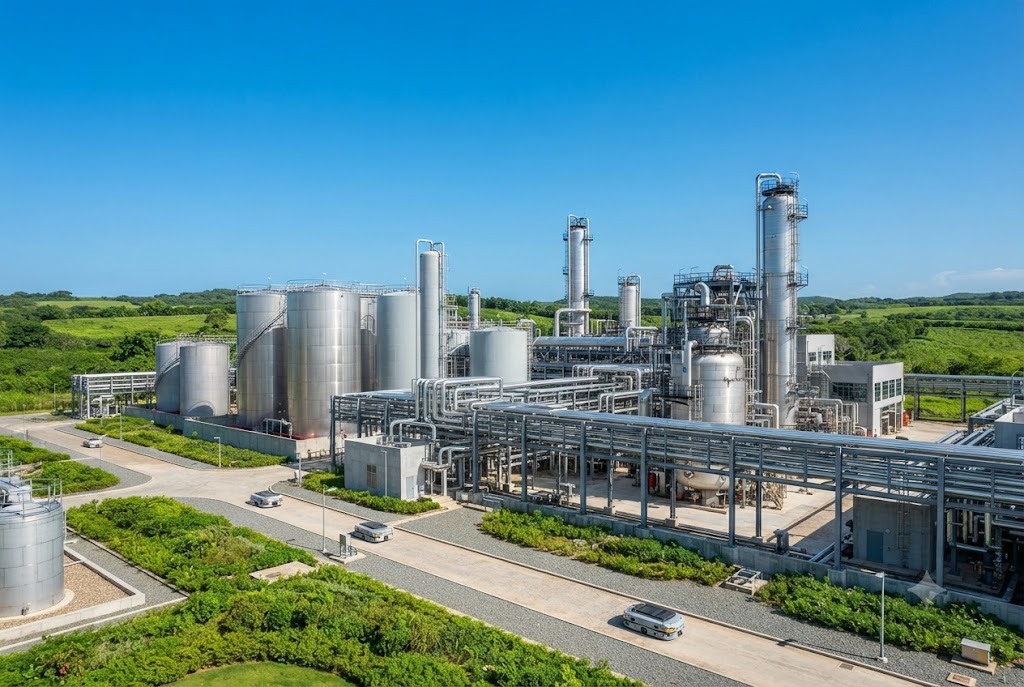
Subsidizing power prices would directly lower the operational expenses of steam crackers, electrolysis plants and specialty chemical facilities. This financial relief is essential for keeping domestic production facilities competitive against global rivals. The government recognizes that losing this industrial base would have severe economic consequences.
Industry groups have emphasized that temporary measures are insufficient. They advocate for a structural solution that guarantees long-term energy affordability. This alignment between public policy and industrial needs marks a significant shift in regulatory approach.
Chemical production requires massive amounts of continuous electricity. Processes like chlor-alkali electrolysis and steam cracking cannot easily ramp down without incurring massive restart costs. Subsidies would allow these facilities to maintain optimal operating rates. This operational stability directly translates to consistent product availability for downstream buyers.
Impact on European Petrochemical Supply Chains
The resolution of these discussions will profoundly affect global chemical trade flows. If subsidies materialize European producers will regain some pricing power. This stabilization could reduce the regional reliance on imported base chemicals.
Procurement teams sourcing polymers and intermediates should anticipate potential shifts in availability. A more competitive European market might lead to increased export volumes from the region. Buyers could see improved lead times and reduced freight costs for local deliveries.
Stabilized energy costs may prevent further plant closures in Germany. This preserves critical production capacity for key chemical intermediates like ethylene and propylene. Reduced carbon compliance costs could lower the baseline price of European goods. Buyers might see more competitive contract offers from regional suppliers.
The ripple effects extend to maintenance schedules and capital expenditure plans. Companies currently defer non-essential upgrades when operating rates remain low. Reliable power pricing could unlock frozen capital for facility modernization. This deferred investment recovery will eventually improve product quality and consistency.
Navigating Uncertainty in Procurement Strategies
The fact that these measures remain under discussion introduces significant planning challenges. Procurement managers cannot rely on these subsidies for immediate budget relief. Contracts negotiated today must account for the possibility that support may be delayed or diluted.
Buyers should prioritize suppliers with diversified energy portfolios. Companies utilizing renewable energy or cogeneration facilities are less exposed to grid price spikes. This operational resilience provides a natural hedge against policy uncertainties.
Flexible contracting mechanisms become essential in this environment. Index-linked pricing formulas can help share the risk of energy fluctuations between buyer and seller. Procurement teams must work closely with finance departments to model various cost scenarios.
Establishing joint development agreements can also secure preferential access to new product grades. Suppliers prioritize partners who contribute to their innovation pipelines. This collaborative approach transforms a transactional relationship into a strategic alliance.
Regional Market Dynamics and Global Competition
Germany serves as the industrial engine of Europe. Any policy shift here sends ripples across the entire continental supply chain. Neighboring countries often adjust their own industrial policies in response to German initiatives.
Global competitors in North America and Asia are watching these developments closely. If European subsidies succeed they may prompt similar protective measures in other regions. This could lead to a fragmented global market with distinct regional pricing blocs.
Importers must evaluate the total landed cost of chemicals from different origins. While European prices might stabilize, freight rates and geopolitical tariffs remain volatile variables. A holistic view of the supply chain is necessary for accurate cost forecasting.
Asian exporters may redirect volumes to capture higher regional premiums. This arbitrage activity further tightens supply in traditional importing markets. Buyers must monitor global shipping rates and vessel availability closely to optimize timing.
Sustainability and the Green Chemistry Angle
Subsidies and carbon market reforms must align with broader climate goals. The German government is likely to attach strict environmental conditions to any financial support. Chemical companies may need to demonstrate concrete progress in decarbonization to qualify for relief.
This dynamic accelerates the transition toward green chemistry. Producers are incentivized to invest in electrified processes and renewable energy integration. Buyers with strong environmental mandates will benefit from this accelerated innovation.
Procurement teams should request detailed carbon footprint data from their suppliers. Understanding the energy mix behind chemical production is becoming a standard requirement. Sourcing from facilities with verified low-carbon operations mitigates future regulatory risks.
The industry is also exploring bio-based alternatives to traditional feedstocks. While currently niche, these sustainable pathways may attract specialized investment. Procurement teams should monitor these emerging technologies for future sourcing opportunities.
Sophisticated procurement teams utilize financial instruments to manage commodity price risk. While power subsidies may stabilize costs, buyers can still hedge related feedstock expenses. Crude oil and natural gas derivatives often correlate with chemical pricing trends.
Collaborating with treasury departments is essential for executing these strategies. Financial hedging must align with physical procurement plans to avoid speculative exposure. Clear governance policies ensure that risk management activities support overall business objectives.
Suppliers also offer indexed pricing formulas tied to recognized chemical benchmarks. Understanding these formulas helps buyers anticipate cost fluctuations. Regular review of index components ensures that pricing remains fair and transparent.
Proactive financial modeling prevents sudden budget shortfalls during transition periods. Companies must view these compliance costs as essential investments in brand protection. This financial discipline separates market leaders from vulnerable competitors.
What Buyers Should Do Now
Procurement professionals must remain agile as these policy discussions unfold. Conduct a thorough risk assessment of your current European chemical supply base. Identify which suppliers are most vulnerable to high energy and carbon costs.
Engage in transparent dialogue with your key vendors. Inquire about their contingency plans and their expectations regarding the German subsidy timeline. This intelligence will help you anticipate potential supply disruptions or pricing adjustments.
Diversify your sourcing strategy to include suppliers outside the most affected regions. Building a resilient supply chain requires geographic and operational variety. Do not wait for final policy decisions to implement these protective measures.
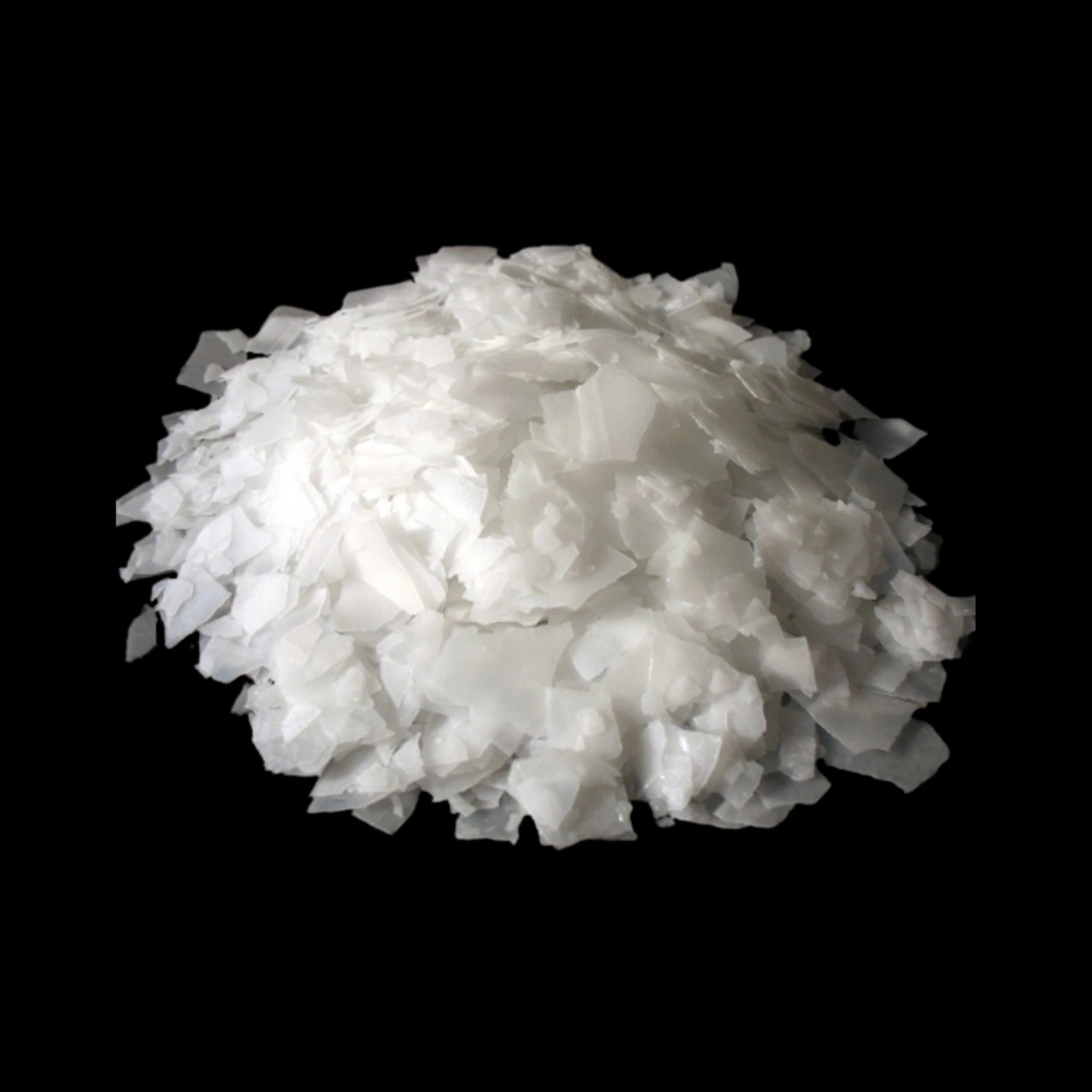
Ready to source Caustic Soda Flakes from verified global suppliers? Explore competitive offers on our platform today.