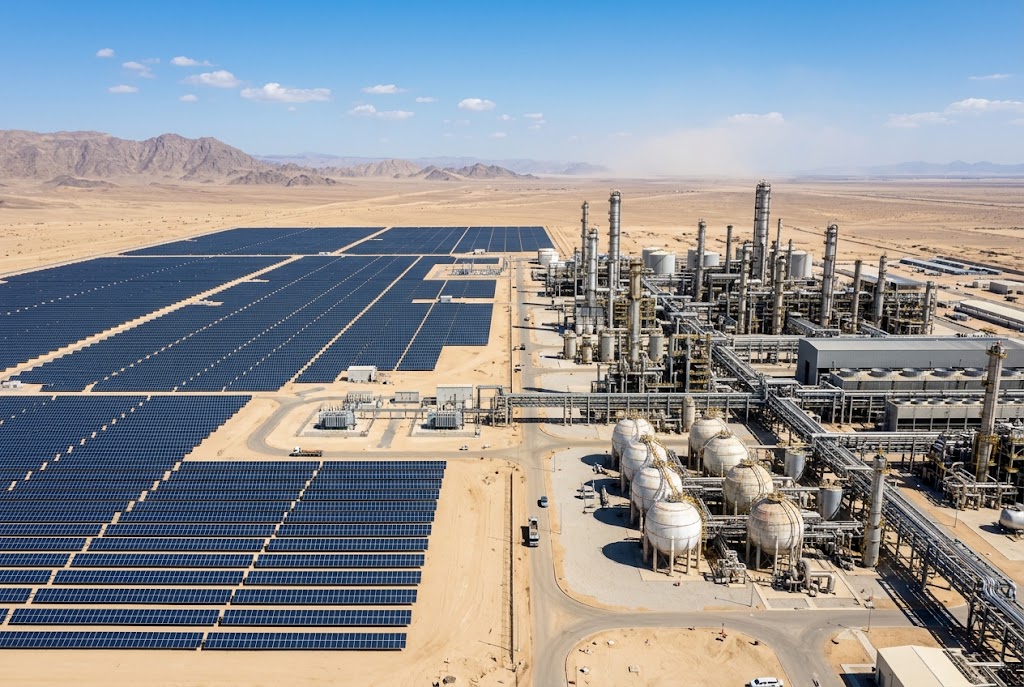
The timeline for green ammonia commercialization in the Middle East has shifted dramatically following the Hormuz Strait disruption. Pre-crisis projections placed 3.2 million tons per year of new capacity online by Q4 2026 across major projects in NEOM, Al Dhafra and ADNOC facilities. Current assessments indicate these targets have slipped by approximately 18 months.
Commercial operation dates now cluster in Q2 and Q3 of 2028. This delay removes roughly 2.4 million tons of zero-carbon ammonia from expected 2027 global supply. The shortfall forces European fertilizer manufacturers and shipping fuel buyers to extend existing fossil-based ammonia contracts. Procurement teams with firm 2027 green commitments face immediate contract renegotiation pressures.
More critically, this supply gap creates tangible carbon accounting risks. Buyers forced back onto grey ammonia face potential carbon budget breaches ranging from 1.8 to 2.3 tCO2e per ton. Sustainability officers must now reconcile operational realities with decarbonization pledges that assumed timely project delivery.
Root Causes of the 18-Month Delay
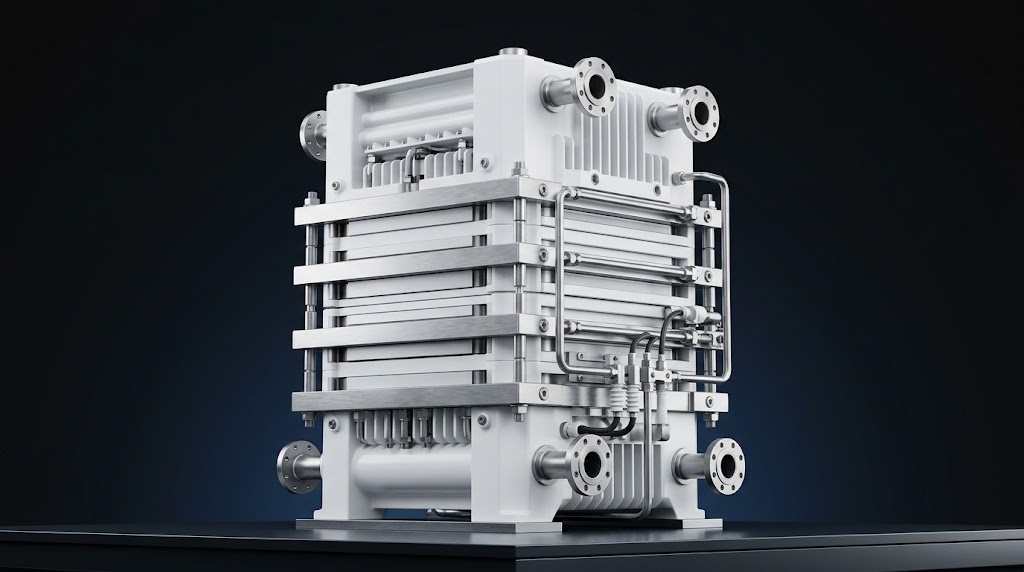
Three primary factors converged to push back green ammonia timelines. Equipment delivery disruptions proved most immediate. Critical components including electrolyzers from ThyssenKrupp and air separation units from Air Liquide faced significant shipping delays during the 135-day Hormuz closure. These specialized items cannot be easily substituted or expedited through alternative routes.
Workforce reallocation created secondary bottlenecks. Skilled engineers and construction crews originally assigned to green ammonia projects were diverted to repair damaged conventional chemical facilities. Restoration of existing revenue-generating assets took priority over new capital projects. This labor shift slowed installation and commissioning activities across multiple sites simultaneously.
Investor caution introduced financial friction. The geopolitical instability exposed during the crisis prompted lenders to reassess risk premiums for Gulf region infrastructure projects. Due diligence processes lengthened as financiers demanded additional guarantees and contingency planning. Some equity partners paused capital deployment pending clearer visibility on regional stability.
Impact on European Fertilizer Procurement
European fertilizer producers represent the largest near-term demand segment for Middle East green ammonia. Companies like Yara, BASF and K+S had structured procurement strategies around anticipated 2027 supply volumes. The delay invalidates these assumptions and forces reactive sourcing decisions.
Extending fossil ammonia contracts provides short-term volume security but introduces price volatility exposure. Grey ammonia markets remain tightly linked to natural gas prices which continue to fluctuate based on geopolitical factors. Buyers locking in extended terms may face unfavorable pricing if gas markets tighten again.
Contract renegotiation becomes unavoidable. Suppliers unable to deliver green volumes as scheduled must negotiate substitute arrangements or penalty waivers. Buyers need legal support to navigate force majeure clauses and liability limitations. The complexity increases when multiple jurisdictions and regulatory frameworks apply to single supply agreements.
Carbon Budget Breach Calculations
The environmental cost of delayed green ammonia translates directly into carbon accounting liabilities. Grey ammonia production typically generates 1.8 to 2.3 tons of CO2 equivalent per ton of product depending on feedstock source and plant efficiency. Green ammonia carries near-zero embedded emissions.
Buyers who planned for green supply but receive grey instead must account for this differential. A company expecting 100,000 tons of green ammonia faces an unexpected 180,000 to 230,000 ton CO2e burden if supplied with fossil alternatives. This magnitude of variance can exceed annual carbon budgets allocated to specific product lines or business units.
Scope 3 reporting requirements amplify the impact. Downstream customers expecting low-carbon fertilizers will receive products with significantly higher footprints. This discrepancy may trigger contractual penalties or reputational damage. Transparency about supply chain disruptions helps mitigate stakeholder concerns but does not eliminate the underlying compliance challenge.
Shipping Fuel Market Implications
Maritime decarbonization represents another major demand driver for green ammonia. Shipping companies targeting IMO 2030 compliance had booked future supply from Middle East projects. The delay forces vessel operators to reconsider fuel transition timelines.
Alternative fuels like methanol and LNG gain temporary advantage as ammonia availability recedes. Bunker suppliers may adjust their product portfolios accordingly. Port infrastructure investments planned for ammonia bunkering face utilization risks if fuel supply remains constrained through 2028.
Regulatory compliance adds pressure. EU ETS inclusion of maritime emissions creates financial incentives for low-carbon fuels. Operators unable to access green ammonia may face higher carbon costs than projected. Fleet renewal decisions must now factor in extended fossil fuel dependency periods.
Renegotiation Strategies for Buyers
Procurement teams should adopt structured approaches to contract renegotiation. First, conduct thorough supply portfolio analysis to identify exact volume gaps and timing mismatches. Quantify both financial and carbon impacts of delayed deliveries. This data foundation supports informed negotiation positions.
Second, explore hybrid supply arrangements combining partial green volumes with certified carbon offsets. While imperfect, this approach maintains some progress toward sustainability goals while securing physical supply. Offset quality and verification standards require careful evaluation to ensure credibility.
Third, diversify geographic sourcing beyond the Middle East. Projects in Australia, Chile and North America may offer alternative supply streams albeit at different price points and logistics profiles. Geographic diversification reduces concentration risk and provides negotiating leverage with incumbent suppliers.
Managing Stakeholder Expectations
Communication strategy matters enormously during supply disruptions. Internal stakeholders including finance, sustainability and operations teams need aligned messaging about revised timelines and mitigation plans. Cross-functional coordination prevents conflicting signals reaching external parties.
Customer communications should balance transparency with confidence. Acknowledge the delay and its causes while demonstrating proactive management responses. Highlight alternative measures being implemented to minimize environmental and operational impacts. Avoid overpromising on recovery timelines given ongoing uncertainties.
Investor relations teams must prepare for questions about capital expenditure adjustments and return timeline extensions. Clear articulation of revised project economics and risk mitigation strategies maintains market confidence. Emphasize long-term strategic value despite near-term execution challenges.
Looking Ahead to 2028 Recovery
The delayed capacity will eventually come online assuming current trajectory holds. Q2-Q3 2028 timeframes suggest meaningful supply additions returning to market. Early movers who maintain supplier relationships through the delay period may secure preferential allocation when volumes resume.
Technology improvements during the extension period could enhance project economics. Electrolyzer efficiency gains and renewable energy cost reductions may offset some delay-related cost increases. Operational learnings from early projects elsewhere inform optimized designs for delayed facilities.
Policy developments between now and 2028 will shape market dynamics. Potential carbon border adjustments and green hydrogen certification standards create evolving compliance landscapes. Buyers should monitor regulatory trends to position for optimal market entry timing.
The Bottom Line for Low-Carbon Procurement
Green ammonia project delays represent a significant setback for near-term decarbonization ambitions but not a permanent failure. The fundamental drivers supporting green ammonia adoption remain intact. Temporary supply constraints test organizational resilience and adaptive capacity.
Successful navigation requires balancing pragmatism with commitment. Extending fossil contracts ensures operational continuity while maintaining strategic focus on long-term transition goals. Carbon budget management demands creative solutions and transparent stakeholder engagement.
Organizations that treat this delay as a learning opportunity rather than merely a crisis will emerge stronger. Building flexible procurement frameworks and diversified supply networks creates lasting competitive advantages in the evolving low-carbon economy.
Ready to source ammonia from verified global suppliers? Explore competitive offers on our platform today.