

Article
Jun 19, 2026schedule5 Min Read
Personal Care Ingredients: Cocamidopropyl Betaine, Glycerin.
The personal care ingredients market is navigating a dual challenge in 2026: elevated feedstock costs
Full Reportarrow_forward


prodchem
Jun 12, 2026
Guinea’s move to tighten bauxite export controls could become a major test for China’s aluminium supply chain, with consequences reaching beyond mining into chemical markets. China depends heavily on imported bauxite, and Guinea has become the country’s most important overseas supplier.
Around three-quarters of China’s 201 million tonnes of bauxite imports have come from Guinea, creating a strong supply connection between West African mining operations and Chinese aluminium production. Monthly Guinean shipments reached record levels above 18 million tonnes in March before export controls changed the market outlook.
For chemical buyers, the issue is not only aluminium availability. The entire chain from bauxite to alumina and aluminium depends on industrial chemicals, especially caustic soda used during the Bayer refining process.
China has a large aluminium industry but limited domestic bauxite resources compared with its refining demand. As a result, Chinese refiners rely on imports to maintain alumina production capacity.
The supply chain works through several stages:
Bauxite is mined and exported from producing countries such as Guinea.
Chinese refineries process bauxite into alumina.
Aluminium smelters convert alumina into aluminium metal.
Downstream industries use aluminium for manufacturing and industrial applications.
Any disruption at the first stage can influence costs across the entire chain.
China’s dependence on overseas bauxite makes resource policy changes in major exporting countries strategically important.
Guinea’s export controls follow a broader global trend where resource-rich countries are seeking greater value from their natural resources. Instead of exporting raw materials indefinitely, governments are encouraging domestic processing and industrial development.
Indonesia’s nickel strategy provides a major example. After introducing a nickel ore export ban in 2020, Indonesia accelerated investment in domestic processing capacity and became the world’s largest producer of processed nickel intermediates.
Guinea’s approach reflects a similar ambition:
Increase domestic control over mineral resources.
Encourage local processing investment.
Capture more value from natural resources.
Reduce dependence on raw material exports.
For global buyers, these policies can reshape traditional supply routes.
Chinese alumina producers are likely to face closer attention on raw material costs as Guinean supply conditions change. If export volumes decline, refiners may need to compete for alternative bauxite sources.
Potential impacts include:
Higher raw material procurement costs.
Greater competition among importers.
Increased focus on supplier diversification.
Possible changes in refinery operating rates.
Alumina production depends on stable bauxite supply, so even moderate disruptions can influence market expectations.
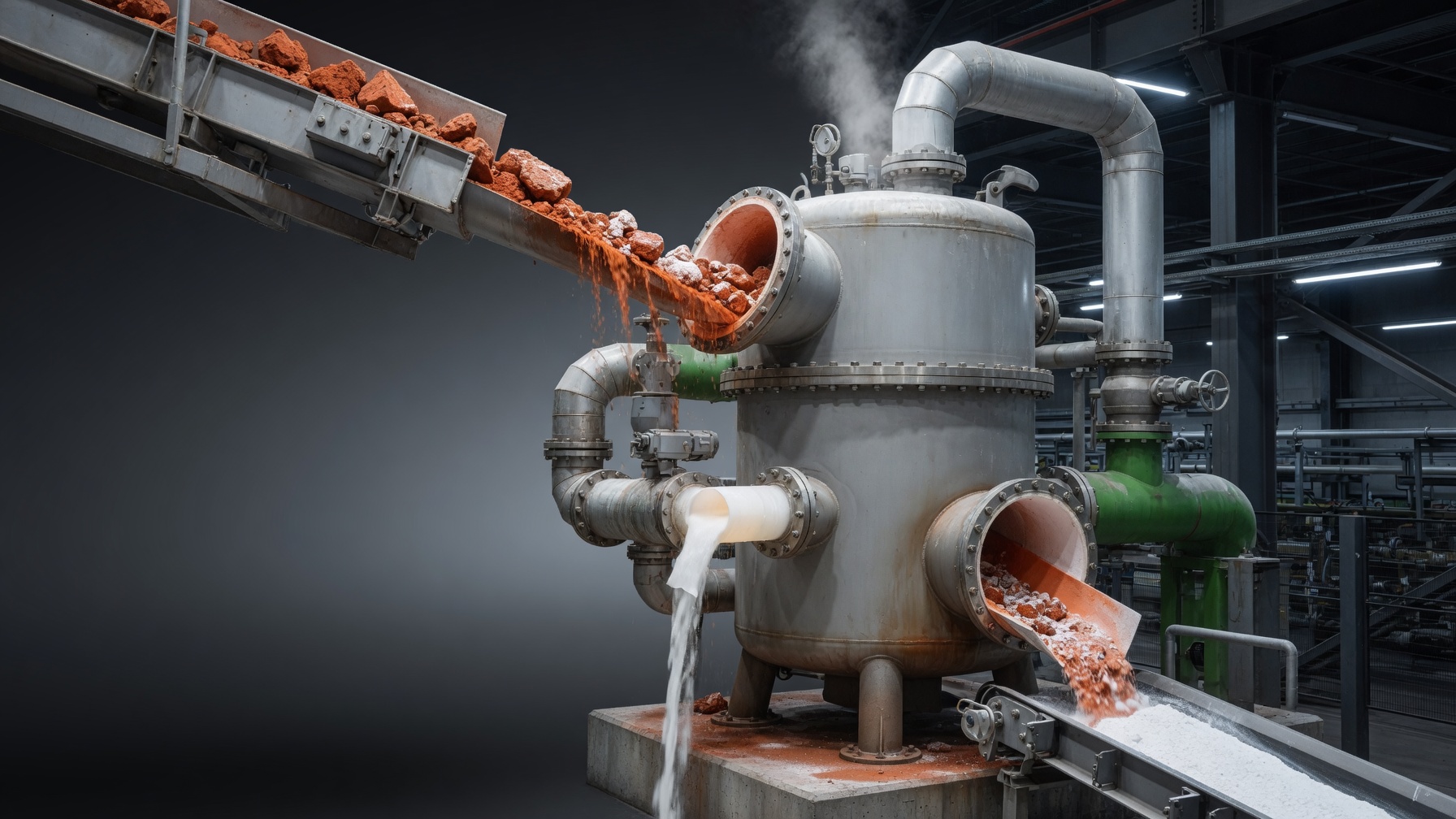
The aluminium supply chain has a direct link to chemical markets because alumina refining requires caustic soda. The Bayer process uses caustic soda to extract alumina from bauxite ore.
If Chinese alumina production changes, chemical buyers may see effects in caustic soda markets.
Possible outcomes include:
Lower caustic soda consumption if refinery output declines.
Regional demand shifts between industrial sectors.
Changes in chemical producer planning.
Adjustments in international trade flows.
Caustic soda already serves many industries, including pulp and paper, textiles, water treatment and chemical manufacturing. Aluminium market changes can therefore influence a much wider chemical ecosystem.
Aluminium smelters depend on reliable alumina supply. Any uncertainty in imported bauxite availability can create challenges further downstream.
Potential risks include:
Higher alumina prices.
Increased production costs.
Pressure on aluminium margins.
Greater interest in alternative raw material sources.
Aluminium is essential for packaging, transportation, construction and emerging technologies. Supply changes can affect industries that rely on stable metal availability.
The Guinea-China supply relationship shows how upstream resource decisions can affect chemical procurement. Buyers should look beyond direct chemical markets and monitor raw material policies that influence industrial demand.
Important areas to watch include:
Bauxite export volumes from Guinea.
Chinese alumina refinery activity.
Global caustic soda demand patterns.
Aluminium production trends.
New investments in alternative supply regions.
Supply chain visibility is becoming as important as price analysis. Companies that understand upstream changes can prepare earlier for market adjustments.
China and global aluminium producers may explore several responses as Guinea’s export controls develop. These strategies could influence chemical markets connected to refining and processing.
Possible adjustments include:
Increasing purchases from alternative bauxite suppliers.
Investing in overseas mining partnerships.
Expanding domestic processing efficiency.
Improving raw material inventory management.
For chemical suppliers, changing aluminium production patterns may create new demand opportunities or regional shifts.
Chemical buyers connected to aluminium, refining or industrial manufacturing should evaluate how exposed they are to upstream mineral disruptions.
Recommended actions include:
Review supplier concentration risks.
Track alumina and caustic soda market developments.
Build relationships with multiple chemical suppliers.
Monitor policy changes in resource-exporting countries.
Include raw material risks in long-term procurement planning.
The shift toward resource nationalism means supply strategies may need to become more flexible.
Guinea’s bauxite export controls highlight a broader transformation in global commodity markets. Countries with strategic resources are increasingly focused on controlling supply chains and developing domestic processing industries.
For China’s aluminium sector, tighter Guinean supply could increase costs and create uncertainty across alumina refining and aluminium production. For chemical buyers, the impact will appear through changing caustic soda demand, industrial cost structures and supply chain adjustments.
Companies that monitor upstream resource trends will have a stronger position as global chemical markets continue evolving.
Featured Product
Found this useful?
Continue Reading
The personal care ingredients market is navigating a dual challenge in 2026: elevated feedstock costs

Acrylonitrile markets entered Q2 2026 under significant pressure as feedstock volatility, high energy costs and tight supply pushed prices upward. Buyers across ABS plastics, acrylic fibers and carbon fiber precursors now face rising costs, longer lead times and increasingly complex procurement decisions.

A missile strike near Israel’s Haifa petrochemical complex has raised new concerns about regional chemical supply risks. Buyers are monitoring refinery operations, feedstock availability and the impact on global market stability.