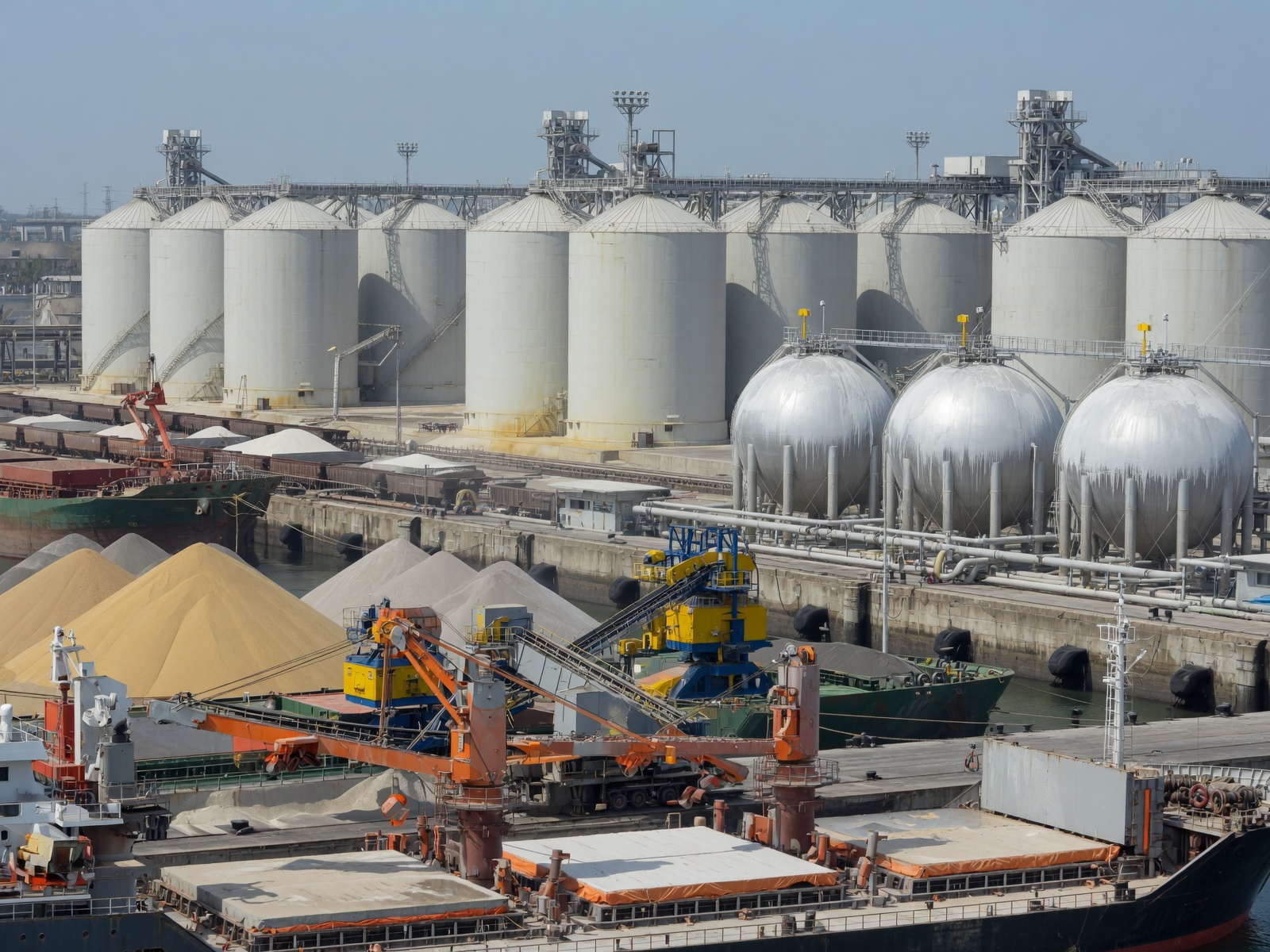
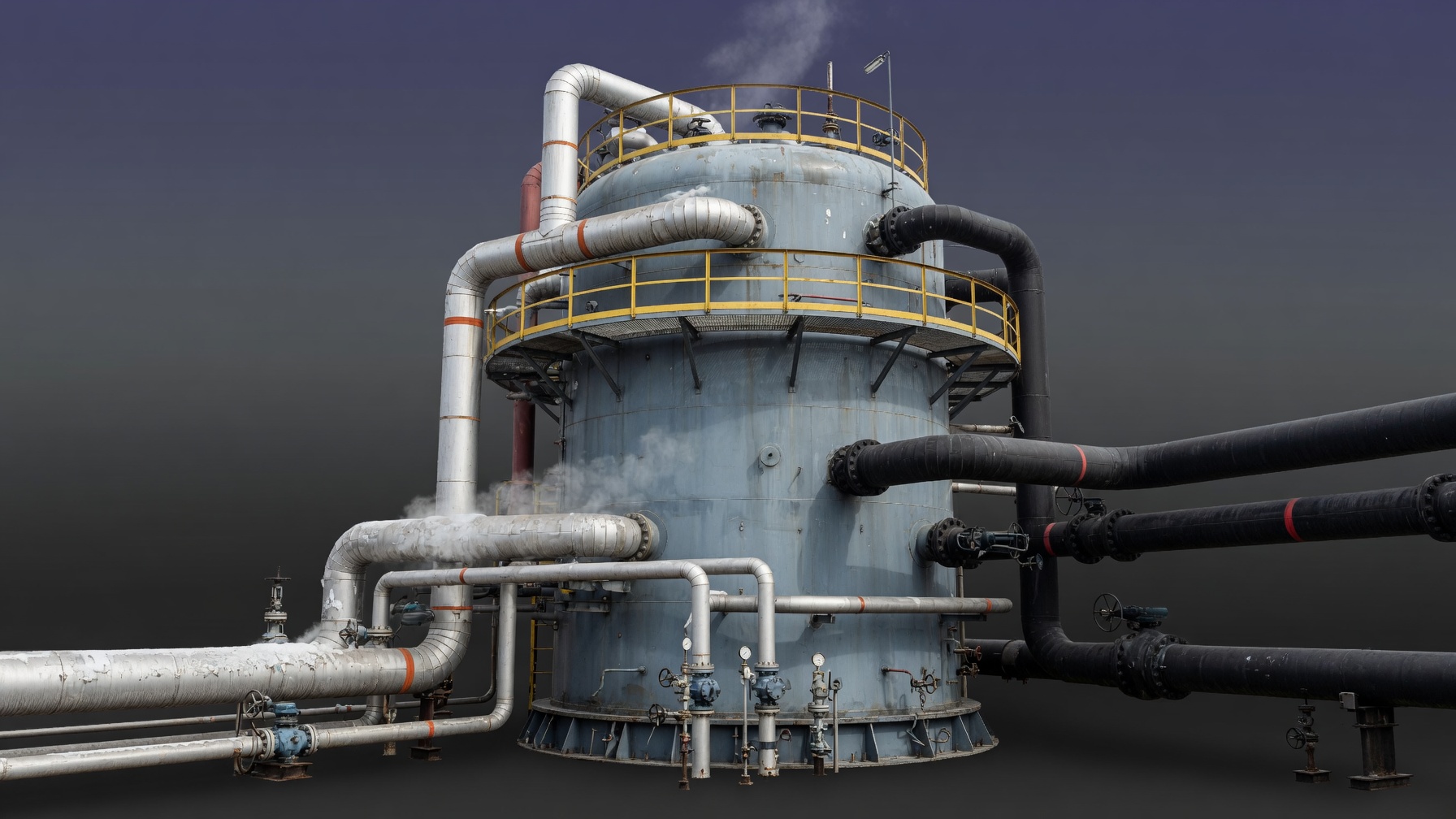
The latest geopolitical disruption has highlighted how vulnerable global commodity supply chains have become. While crude oil and natural gas often receive the greatest attention, helium and fertilizer markets are also experiencing increased pressure because the Persian Gulf remains one of the world's most important production and export regions for industrial and agricultural commodities.
For procurement professionals, these developments reinforce the need to monitor a wider range of critical materials. Helium supports advanced manufacturing, healthcare and laboratory operations, while fertilizers remain essential for global agricultural productivity and food security.
Why the Persian Gulf Matters to Fertilizer Supply
The Persian Gulf plays a significant role in global fertilizer production and exports. The region benefits from large natural gas resources that support the manufacture of ammonia and other nitrogen-based fertilizers.
Major products linked to the region include:
Because many international markets depend on fertilizer exports from Gulf producers, transportation disruptions can quickly influence global availability and pricing.
Helium Supply Is Equally Important
Although helium represents a much smaller market by volume, it plays an essential role across multiple industries.
Liquid helium is widely used in:
Medical imaging systems.
Pharmaceutical laboratories.
Semiconductor manufacturing.
Scientific research.
Advanced industrial testing.
Unlike many industrial gases, helium cannot easily be substituted in high precision applications, making supply continuity particularly important.
Supply Disruptions Extend Beyond Energy
Geopolitical events affecting shipping routes often influence several commodity markets simultaneously.
Potential impacts include:
Longer shipping times.
Higher transportation costs.
Delayed export schedules.
Increased inventory pressure.
Greater price volatility.
These factors affect fertilizer manufacturers, industrial gas distributors and downstream chemical producers that rely on consistent deliveries.
Procurement Teams Should Monitor Regional Exposure
Understanding supplier geography has become an essential part of procurement risk management.
Companies should identify:
Suppliers dependent on Persian Gulf exports.
Critical products sourced from the region.
Alternative manufacturing locations.
Available inventory levels.
Expected delivery timelines.
This information allows procurement teams to respond more quickly if transportation conditions change.
Diversification Can Improve Supply Resilience
Supply chain resilience depends on more than maintaining multiple suppliers. Geographic diversity is equally important when several suppliers rely on the same production region or shipping corridor.
Useful procurement strategies include:
Qualifying suppliers from different regions.
Increasing visibility across logistics networks.
Reviewing inventory policies for critical commodities.
Monitoring transportation developments.
Strengthening communication with strategic suppliers.
These measures help reduce operational disruption during periods of geopolitical uncertainty.
Long Term Planning Is Becoming More Important
Market volatility has encouraged many organizations to shift from short term purchasing decisions toward broader supply chain planning.
For both helium and fertilizer procurement, companies increasingly evaluate supplier resilience, production capacity and logistics reliability alongside product pricing. This broader perspective supports better decision making when markets experience sudden disruption.
Businesses that understand regional supply dependencies are generally better positioned to manage future uncertainty.
What Buyers Should Do Now
The recent disruption demonstrates that helium and fertilizer markets are closely connected to broader geopolitical developments affecting the Persian Gulf. Procurement teams should review supplier exposure, monitor regional logistics and strengthen sourcing strategies before supply pressures begin affecting operations.
Organizations that combine supplier diversification with proactive market monitoring will be better prepared to maintain reliable access to critical industrial gases and agricultural inputs despite continuing uncertainty.
Ready to source ammonia and fertilizer products from verified global suppliers? Explore competitive offers on our platform today.