New U.S. Tariffs on Hexamine Reshape Specialty Chemical Trade | ChemicalsBlog.com
Latest Analysis Articles
schedule3 Min Read
Hexamine and Downstream Formaldehyde Derivatives Hit with New U.S. Tariffs
terminal
prodchem
Jul 30, 2026
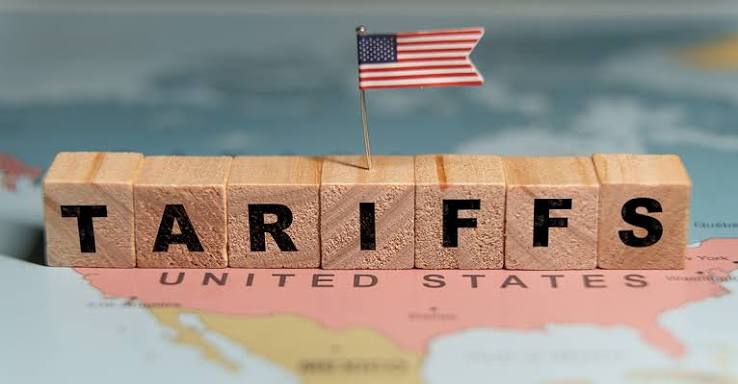
The U.S. specialty chemicals market is facing new trade policy developments following the U.S. International Trade Commission's (USITC) affirmative determination in December 2025 concerning hexamine (hexamethylenetetramine) imports. The ruling triggered antidumping (AD) orders on Hexamine from Germany, India, and Saudi Arabia, alongside a countervailing duty (CVD) order on imports from India.
These measures are expected to influence pricing, sourcing strategies, and supply chains for Hexamine and downstream formaldehyde-based chemicals. As Hexamine is widely used in resins, explosives, rubber chemicals, pharmaceuticals, and industrial manufacturing, procurement teams should closely monitor the evolving trade landscape.
Why Hexamine Matters
Hexamine is a versatile industrial chemical produced from formaldehyde and ammonia. It serves as an important intermediate in numerous manufacturing applications.
Major downstream applications include:
Phenolic Resins
Formaldehyde-Based Resins
Rubber Chemicals
Explosives
Pharmaceuticals
Fuel Tablets
Industrial Adhesives
Specialty Chemical Manufacturing
Trade restrictions on Hexamine can affect both raw material availability and production costs across multiple industrial sectors.
Hexamine is produced by reacting Formaldehyde with Ammonia and serves as a key intermediate for manufacturing Phenolic Resins, Urea Formaldehyde Resins, fuel tablets, rubber chemicals, pharmaceuticals, and industrial adhesives. Since Methanol is the primary feedstock for producing Formaldehyde, changes in Hexamine trade can also influence broader formaldehyde-based chemical supply chains.
Higher import costs for affected Hexamine suppliers
Shifts toward alternative sourcing regions
Increased demand for domestic production
Changes in downstream formaldehyde derivative pricing
Greater procurement uncertainty for industrial manufacturers
Increased focus on supplier diversification
While the tariffs target specific exporting countries, global supply chains may adjust as buyers seek alternative sources.
Procurement Considerations
Procurement professionals should:
Monitor U.S. antidumping and countervailing duty developments
Review supplier exposure to affected countries
Diversify sourcing across multiple regions
Evaluate long-term supply agreements
Monitor pricing for Hexamine and related derivatives
Maintain strategic inventory where appropriate
Building sourcing flexibility can help companies reduce exposure to regulatory changes while maintaining stable production.
Looking Ahead
Trade policy continues to play an increasingly important role in global specialty chemical markets. The new U.S. tariffs on Hexamine demonstrate how regulatory actions can quickly reshape international trade patterns and supplier competitiveness.
For procurement teams, staying informed about trade investigations, supplier exposure, and downstream market developments will remain essential for managing costs and ensuring long-term supply security.
Key Takeaways
The USITC's December 2025 determination resulted in new U.S. trade measures on Hexamine imports.
Antidumping orders apply to imports from Germany, India, and Saudi Arabia.
A countervailing duty order also applies to Indian Hexamine imports.
The measures could influence pricing, sourcing, and downstream formaldehyde derivative markets.
Procurement teams should diversify suppliers and monitor future trade developments.